Seismic Roof Pipe Bracing System Zinc Plated Steel Base Stiffener/Coupling Set

Customization: Available
After-sales Service: One Year
Warranty: One Year

Product Description

📋

Basic Information

Connection
Screw
Structure
Universal
Flexible or Rigid
Flexible
Material
Carbon Steel
Standard
Standard
Certification
UL/FM/CE
Molding Method
Casting, Laser Forging
Adaptive Domain
Building/Bridge Piping Support
Feature
Heavy Duty/Seismic Resistant/Corrosion Resistance
Surface Treatment
Galvanized
Transport Package
Wooden
HS Code
7326909000
Production Capacity
50000/Month
📦

Packaging & Delivery

Package Size
28.00cm * 28.00cm * 15.00cm
Package Gross Weight
22.050kg
🛡️

Product Description

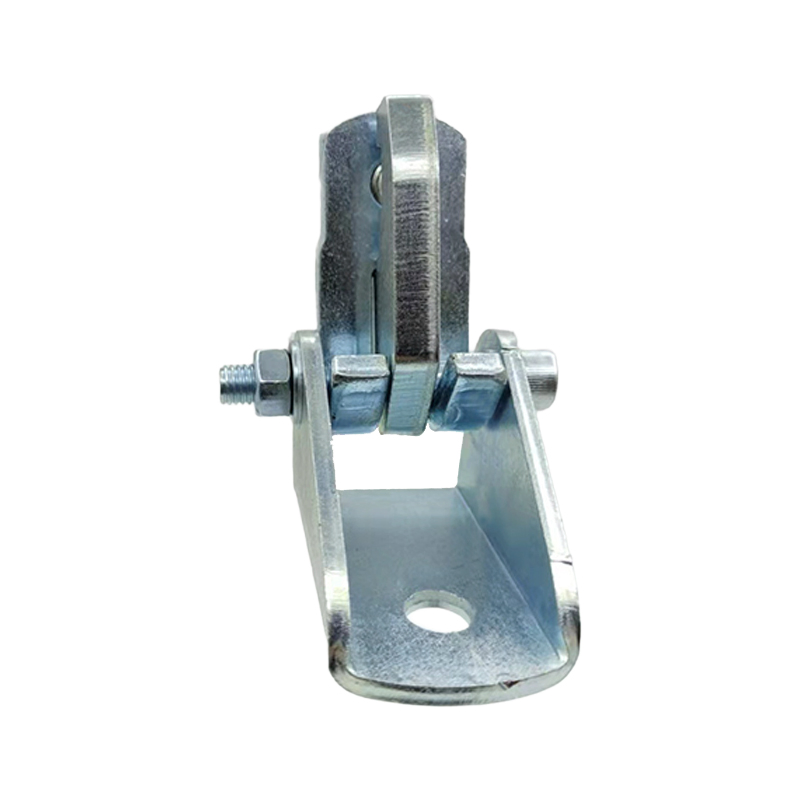
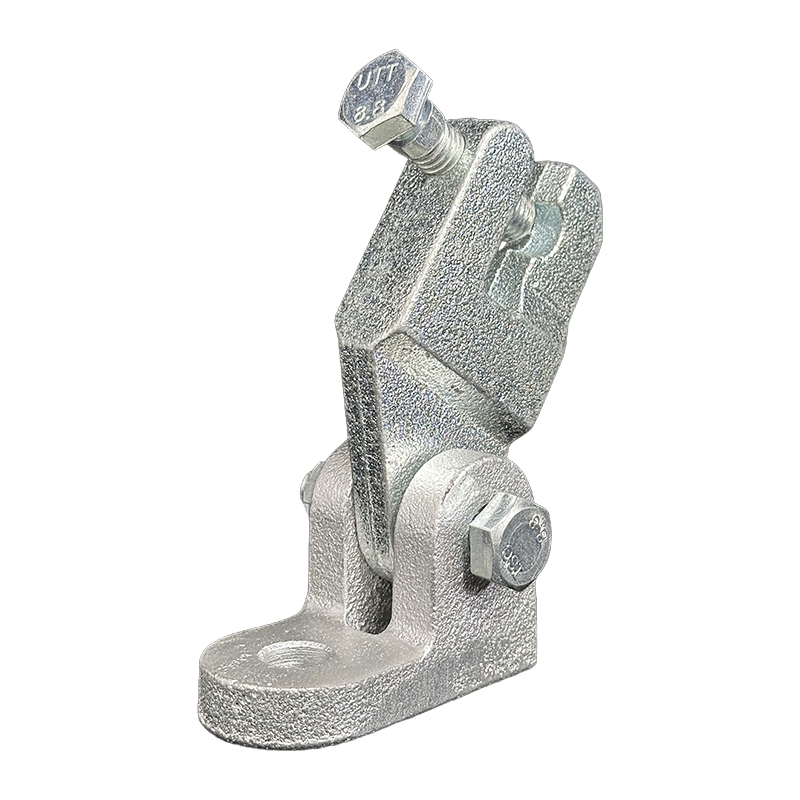
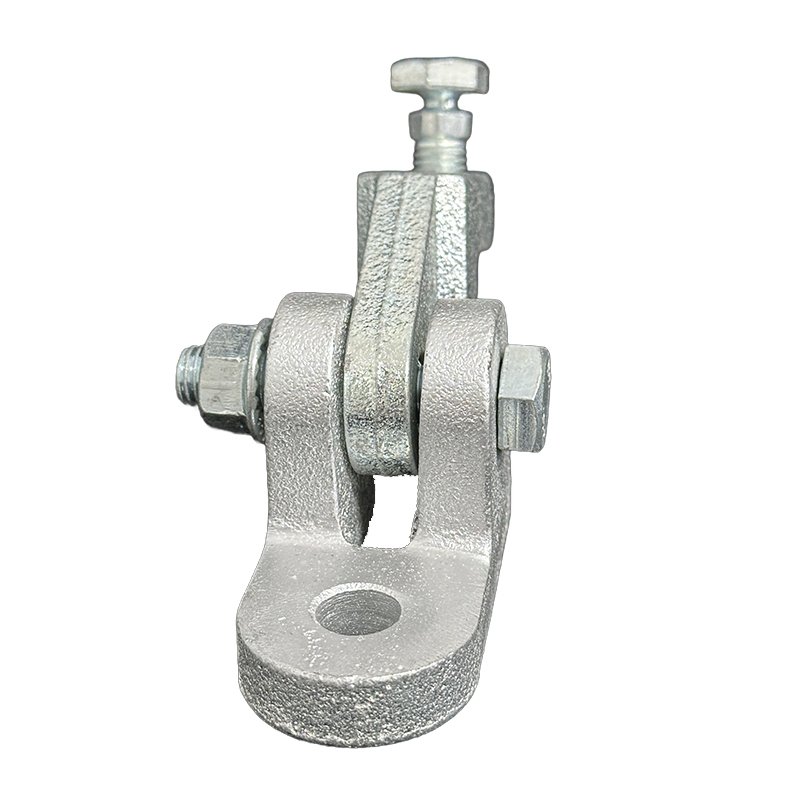
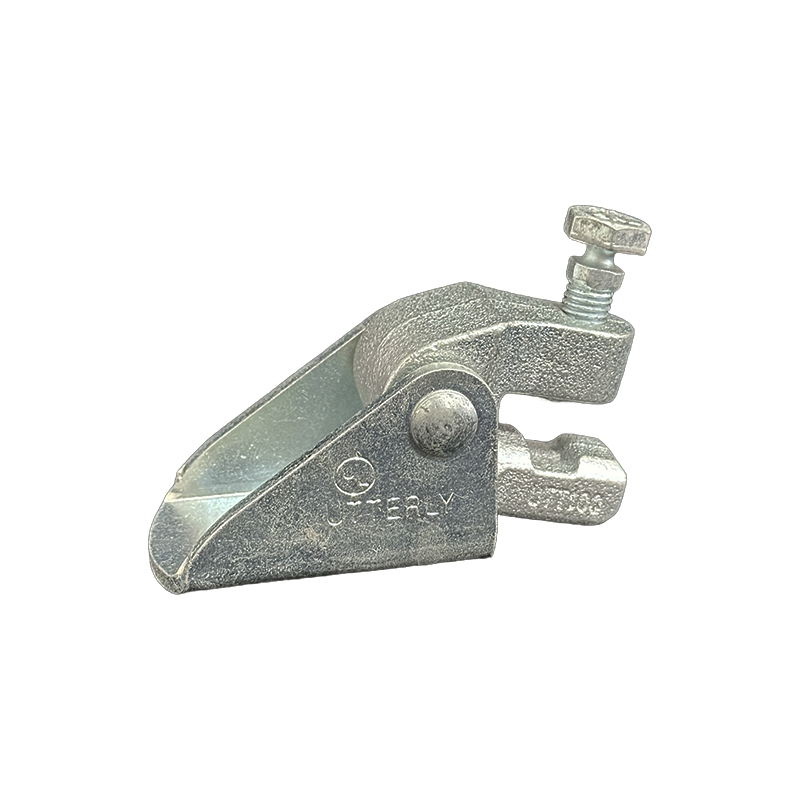
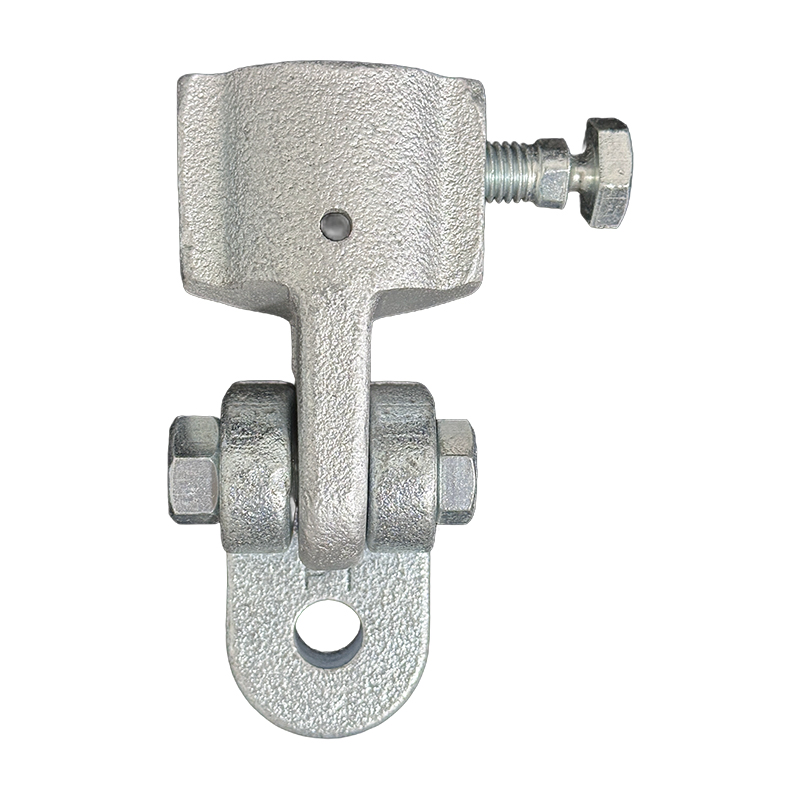
Seismic Roof Pipe Bracing System
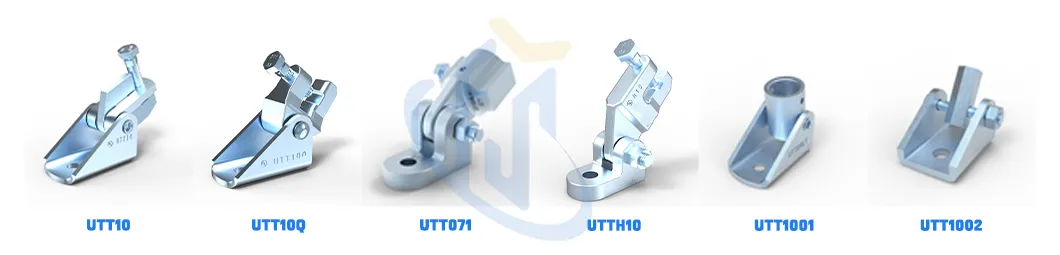
UTT10 / UTT10Q UTT071 / UTTH10 UTT1001 / UTT1002
Designed for bracing pipe against sway and seismic disturbance. One size fits braced pipe up to 8", with 1/2" or M12 bolt hole. Carbon steel / Ductile iron. Designed for bracing pipe against sway and seismic disturbance. Sprinkler Pipe Sch 10, Sch 40. Ductile iron QT450. Electro-galvanized. Used in combination with 1" round pipes or threaded rod. Carbon steel construction. Electro-galvanized finish.
Base Stiffener Set

Suitable for lateral and longitudinal seismic bracing connected to walls. Rigidly connect seismic components to buildings through torque bolts tightening steel profiles or steel pipes. The connection part adopts advanced riveting technology to prevent component detachment. Surface treatment: electro-galvanizing, hot-dip galvanizing, Dacromet, epoxy spraying.

Installation: Drill holes for expansion anchor bolts (M12 or M16), fix the connection seat, and tighten the torque bolt until the hexagonal head breaks off for a secure fit.
🏭

Manufacturing Excellence

Production Facility

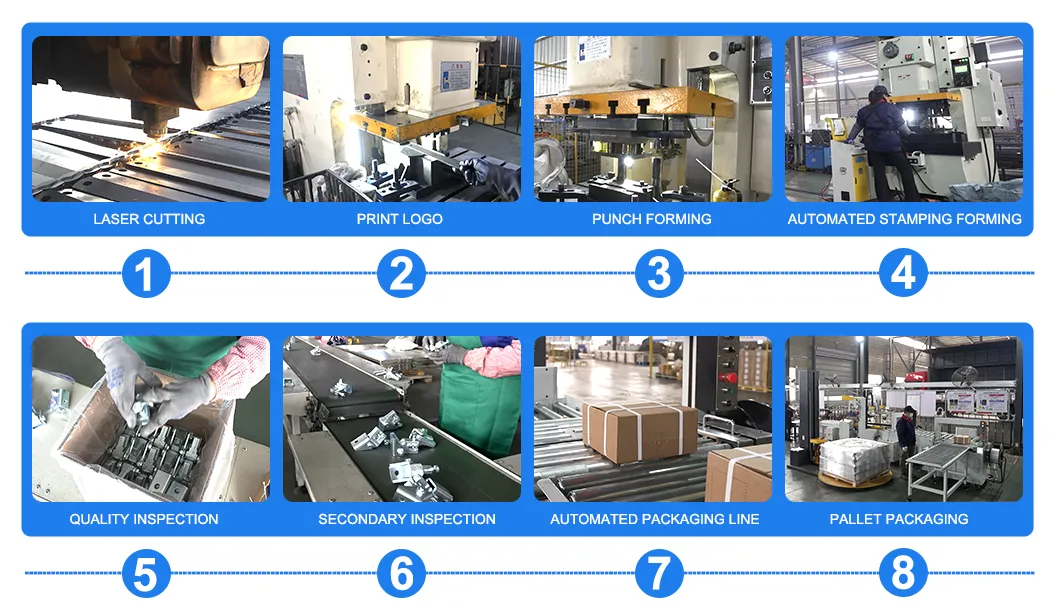
Advanced Production

Utilizing 5 advanced laser cutters and high-quality casting equipment to ensure smooth surfaces without defects. Reliable manufacturing for lasting results.

Precision Engineering

Dedicated molds and hydraulic presses enable accurate forming. We meet stringent OEM and ODM requirements consistently.

Efficient Assembly

Skilled team manages testing and packing. Waterproof cartons and desiccants protect items, with fumigated wood pallets for transit safety.

Certifications

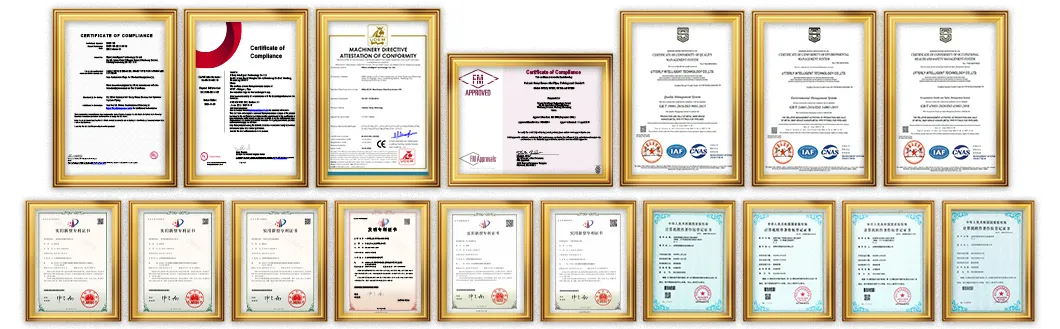
Holding FM, UL, and CE certifications, ensuring the highest safety standards and strict regulatory compliance.

Product Features

  • Products pass UL and FM industry certification standards.
  • Customized special pipe support system accessories based on engineering drawings.
  • Manufactured from carbon steel, ductile iron, or stainless steel via casting or forging.
  • Galvanized surface treatment for anti-corrosion, aesthetics, and long service life.
Product NameSeismic support system accessories
Seismic PartsBase / Connecting support frame / Pipe clamp
CraftsmanshipCasting, laser forging
Product MaterialCarbon steel, ductile iron, stainless steel
Approval StandardsFM, UL, CE Certificate
🔍

Gallery & Process

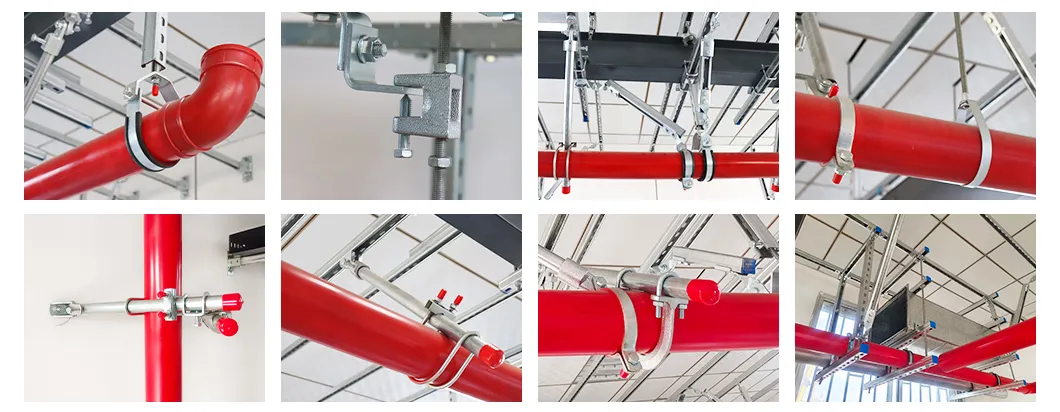
Product Show
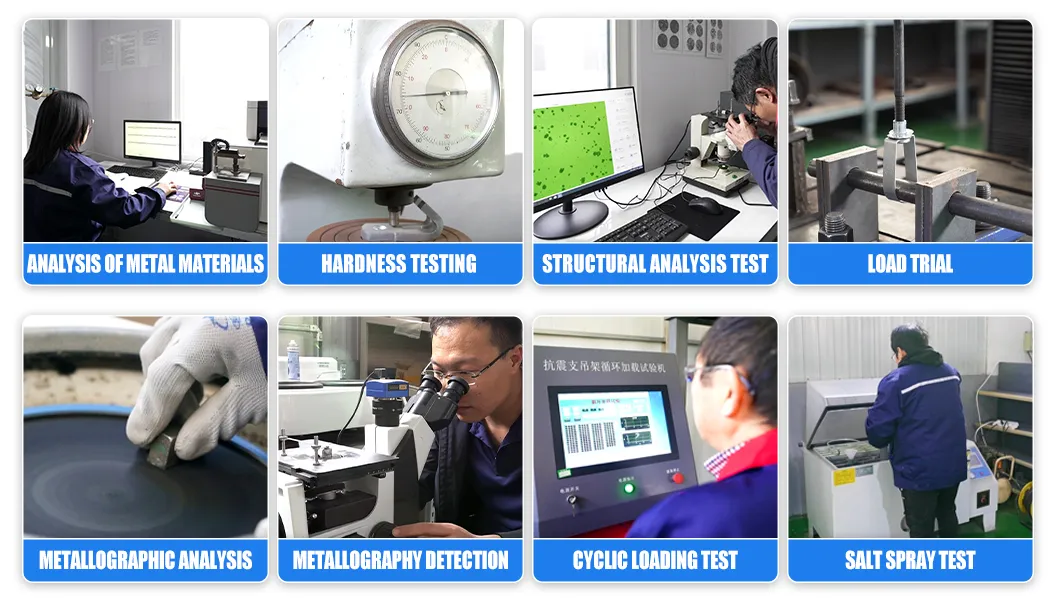
Process 1
Process 2
🏗️

Cases & Exhibitions

Case Show
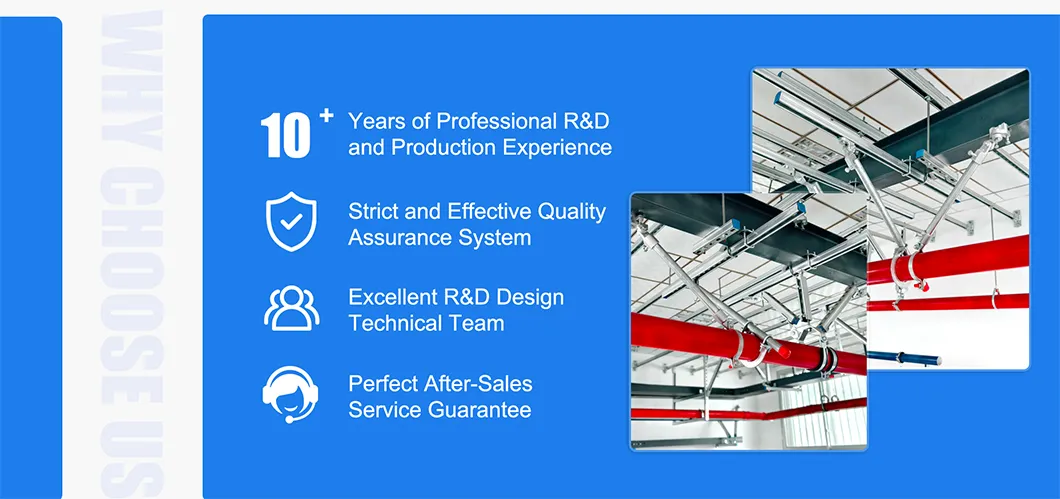
Why Choose Us
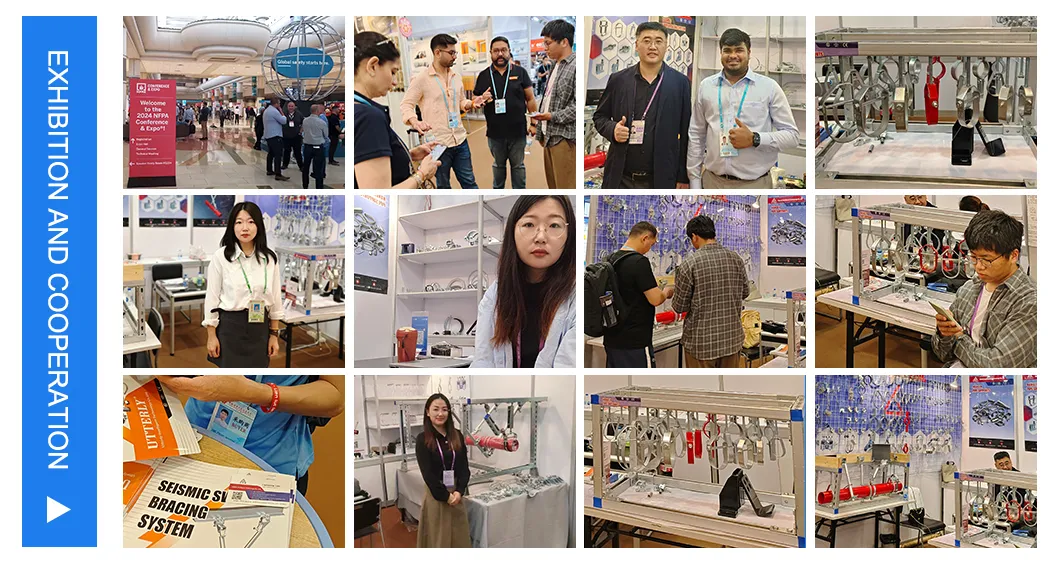
Exhibition

Frequently Asked Questions

What certifications do your seismic bracing products have?
Our products are fully certified by UL, FM, and CE, meeting international safety and quality standards for seismic disturbance protection.
What materials are used for the pipe support accessories?
We use high-quality carbon steel, ductile iron (QT450), and stainless steel, manufactured through precision casting or laser forging processes.
Can these systems be customized for specific engineering needs?
Yes, our engineers can customize the pipe support system accessories based on the specific engineering drawings provided by the customer.
What types of surface treatments are available for corrosion resistance?
We offer multiple options including electro-galvanizing, hot-dip galvanizing, Dacromet, and epoxy spraying to ensure long-term durability.
How are the products protected during international shipping?
Items are packed in waterproof cartons with desiccants and secured on fumigated wood pallets wrapped in plastic film to prevent moisture and damage.
What is the standard installation method for the connection seat?
Installation involves drilling holes for M12 or M16 expansion bolts and using high-strength torque bolts. The hexagonal head of the bolt is designed to break off once the correct torque is reached.

Related Products