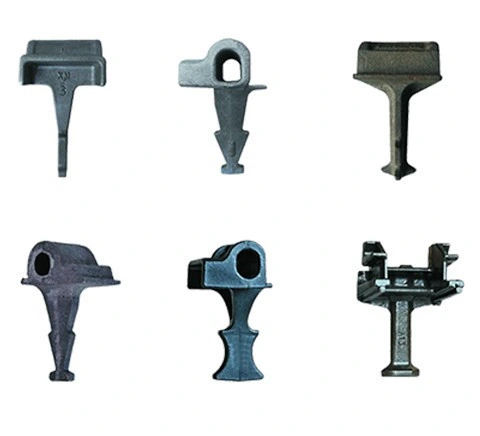
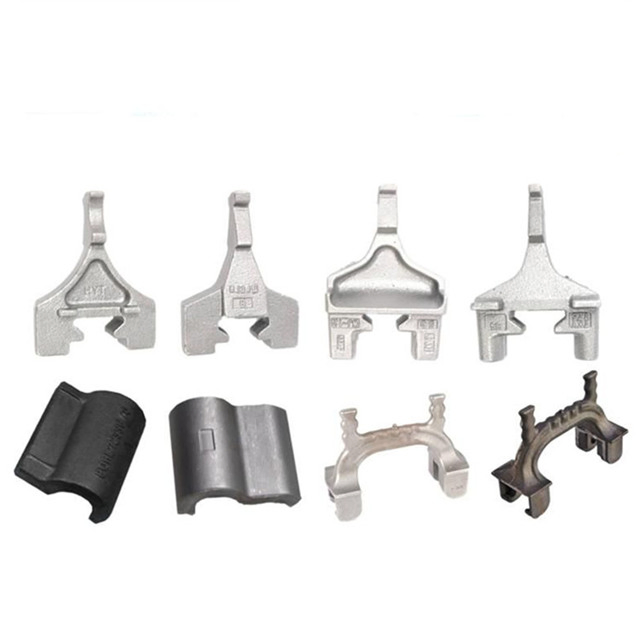
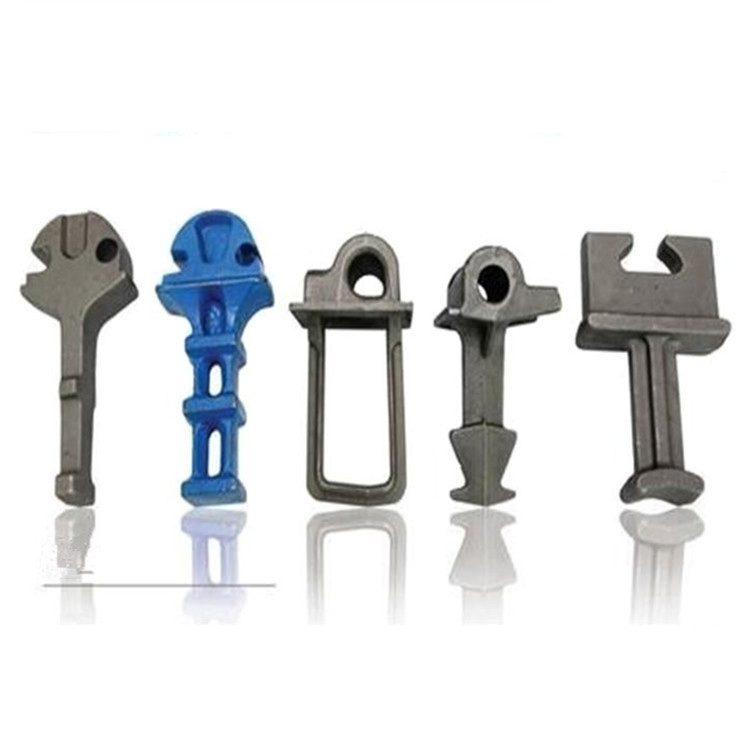
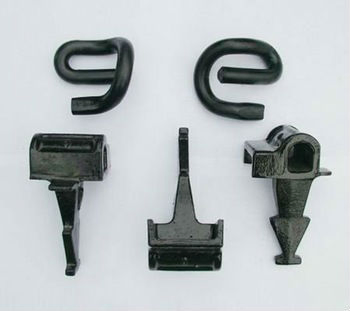
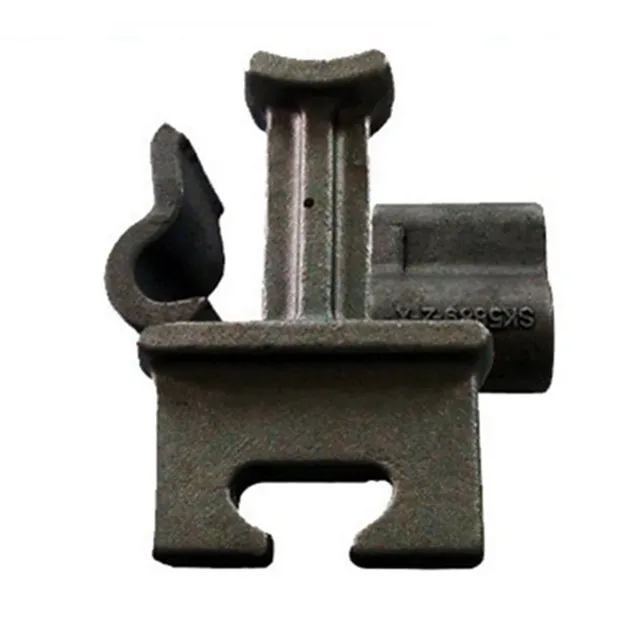
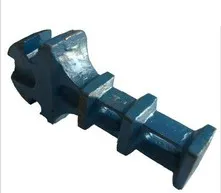
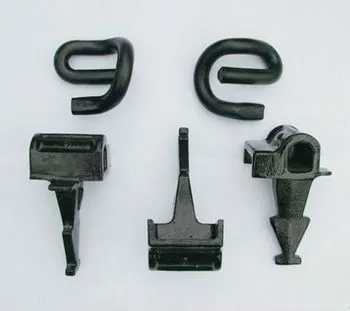
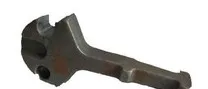
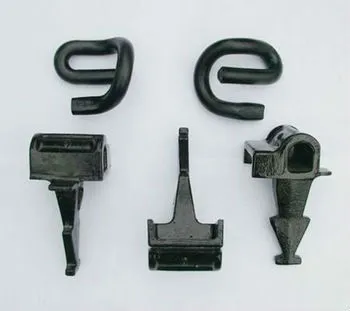
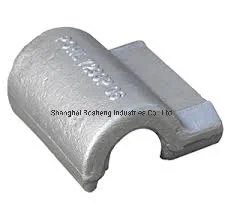
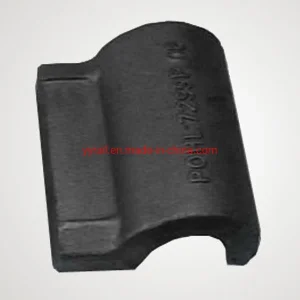
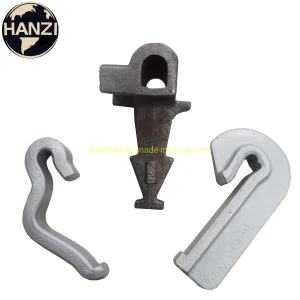
Twin Leg Cast Shoulder

Still deciding? Get samples of $ !
Request Sample

Product Description

Basic Specifications

Model NO. Twin leg cast
Certification ISO9001
Quality High
Surface Plain
Safety Performance Stable
Environment Eco-Friendly
Origin China
Capacity 500,000 ton/Year

Product Overview

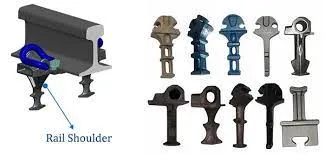
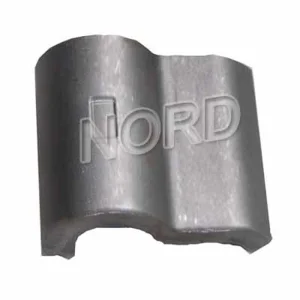
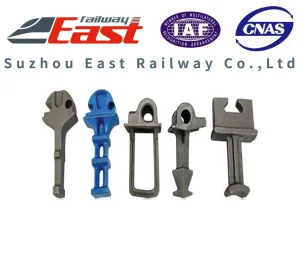
Rail shoulder, also referred to as a rail iron shoulder, is a critical component primarily cast into concrete ties to securely fixate elastic rail clips. These components are essential for maintaining the integrity and stability of the railway track infrastructure.
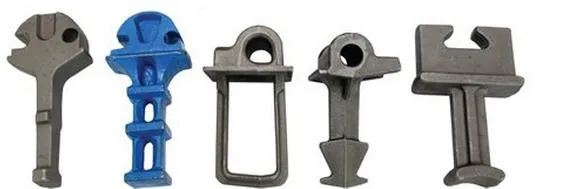
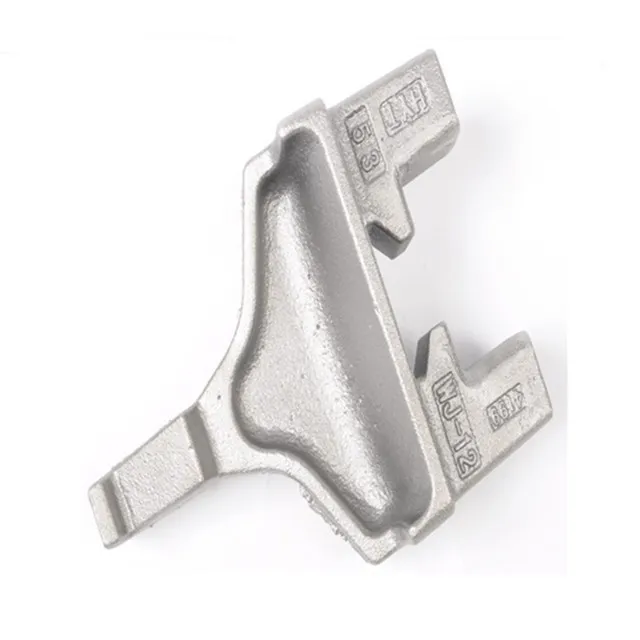
The rail shoulder is embedded directly in concrete during the casting process. Its primary function is to grip the rail clip effectively while providing necessary lateral support to the rail, preventing displacement under heavy loads.

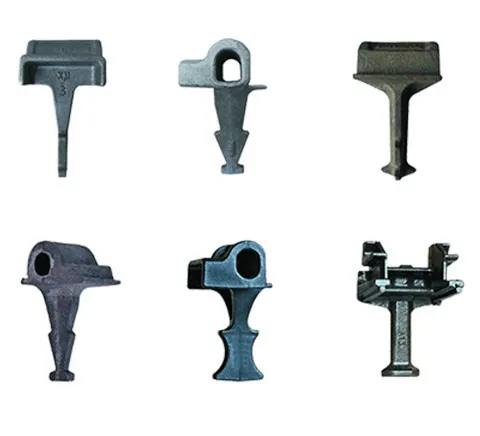
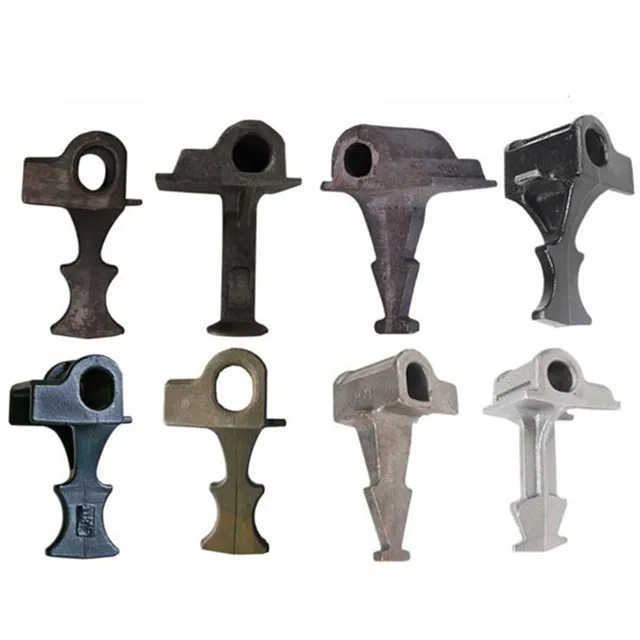
Rail shoulders are classified into several types based on shape and manufacturing process:
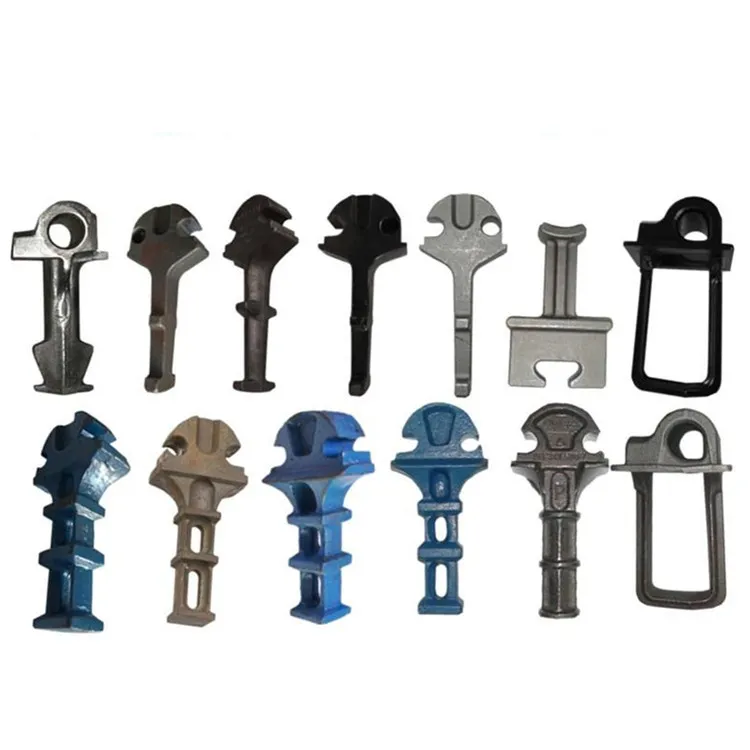
  • By Shape: Single Stem Rail Iron Shoulder and Twin Stems Rail Iron Shoulder.
  • By Manufacturing: Casting rail shoulder, weld-on rail shoulder, and hot forging rail shoulder.

Quality Control & Process

1
Raw Material Testing: Before production, raw materials are strictly checked for chemical composition and mechanical properties. Batch numbers are mandatory for traceability.
2
In-Process Inspection: Quality control inspectors perform random sampling and batch testing during the manufacturing cycle to ensure consistency.
3
Physical & Chemical Analysis: Corresponding tests are conducted based on specific requirements. Non-conforming materials are strictly rejected.
4
Standard Compliance: As an ISO 9001 certified manufacturer, all processes follow standardized management procedures to guarantee delivery of qualified products.

Frequently Asked Questions

Q1: What are the two main common types of rail shoulders? The two most common types are Cast-in Shoulders and Weld-on Shoulders, both designed for fixing elastic rail clips.
Q2: When is the rail shoulder installed in the railway system? The rail shoulder is semi-embedded and cast directly into the concrete rail ties at the time of casting.
Q3: What is the difference between single stem and twin stem shoulders? Single Stem Iron Shoulders are typically used in pre-stressed concrete ties, while Twin Stem Iron Shoulders are used in Bi-Block or Twin Block concrete ties.
Q4: How do you ensure the quality of the rail shoulders? Quality is ensured through ISO 9001 management, raw material testing (chemical and mechanical), and rigorous batch sampling during production.
Q5: What are the available manufacturing methods for rail shoulders? They can be produced via casting, weld-on processes, or hot forging methods depending on the application requirements.
Q6: What is the purpose of the HS Code 73021000? This is the international Harmonized System code used for the classification of specific railway track construction materials during transport and export.

Related Products