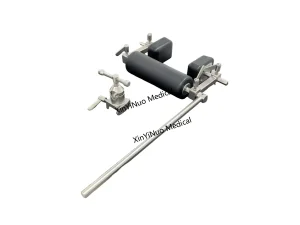
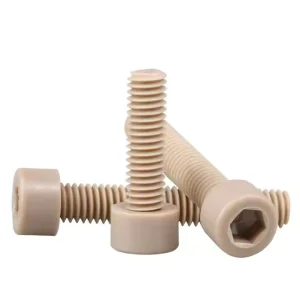
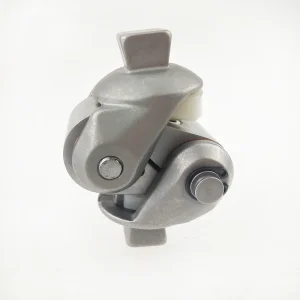
These four product families sit at the center of a Novosibirsk-focused TKR supply strategy: artificial knee and hip joint replacement, primary total knee prosthesis, lockable bearing knee replacement, and well-leg positioning equipment for total knee replacement procedures. Each product URL and image is preserved for direct procurement review.
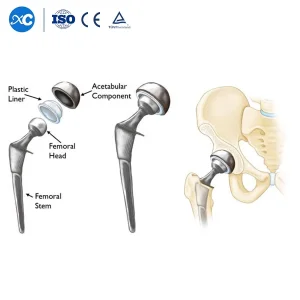
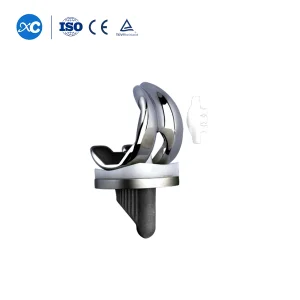
Novosibirsk is not simply a destination city on an export map. It is the largest city in Siberia and one of Russia’s most concentrated scientific, medical, and educational centers. Its hospital network, university clinics, trauma services, rehabilitation infrastructure, and private surgical centers create a sustained demand for orthopedic implants, instrumentation, and operating-room efficiency tools. For a Total Knee Replacement (TKR) factory and exporter serving Novosibirsk, the opportunity is not only to supply implants but to design a procurement pathway that reduces clinical friction, documentation risk, and delivery uncertainty.
Knee arthroplasty demand is influenced by demographic aging, rising rates of osteoarthritis, obesity, physical activity patterns, and patient expectations for mobility and quality of life. Hospitals in and around Novosibirsk must balance waiting lists, budget discipline, implant performance, and operating-room throughput. A knee implant that is difficult to instrument, poorly documented, or delayed at customs creates a chain of costs that procurement teams no longer wish to absorb. This is why serious buyers evaluate the supplier as a manufacturing system: raw-material control, machining consistency, inspection records, sterile packaging, labeling, and after-sales responsiveness all matter.
The city also functions as a distribution gateway for a wider Siberian and cross-border commercial network. Rail connections, Tolmachevo Airport, and road corridors support the movement of medical devices into surrounding regions and neighboring markets. For distributors, Novosibirsk can be an inventory-planning hub; for hospitals, it is a clinical decision center; for OEM buyers, it is a signal that the supplier must understand tender cycles, language localization, and long-distance replenishment. A local TKR supply program should therefore combine product breadth with logistics discipline and documentation readiness.
A TKR factory serving Novosibirsk must translate catalog specifications into clinical and commercial scenarios. The following use cases are typical for regional hospitals, private clinics, trauma centers, sports-medicine teams, and orthopedic distributors.
Large hospitals need reliable primary knee systems, predictable instrumentation, implant size availability, and sterile packaging that supports tight surgery schedules. Reproducible tray sets and clear labeling reduce intraoperative delays and help surgical teams move efficiently from case to case.
Where clinically appropriate, lockable bearing knee replacement and compatible implant options can support more demanding revision pathways. The purchasing decision depends on documentation, compatibility, and surgeon confidence as much as on price.
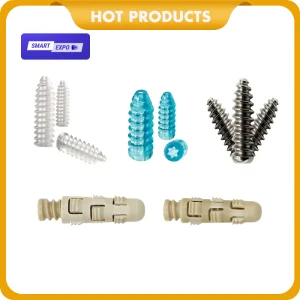
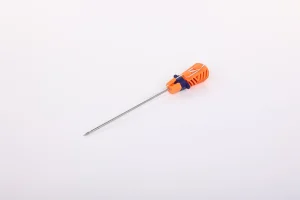
Arthroscopic knee holders, PEEK interference screws, suture anchors, and related instruments support ligament reconstruction and soft-tissue repair. Private sports-medicine clinics value fast access to consumables and consistent product quality.
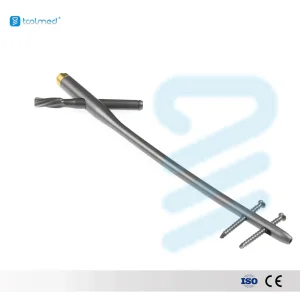
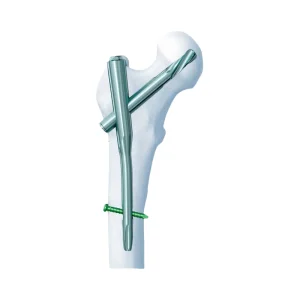
PFNA/PFN intramedullary nailing systems, cannulated screws, and external fixation products address trauma lists and osteoporotic fracture pathways. These products are often bundled with knee and hip portfolios by distributors serving multiple surgical specialties.
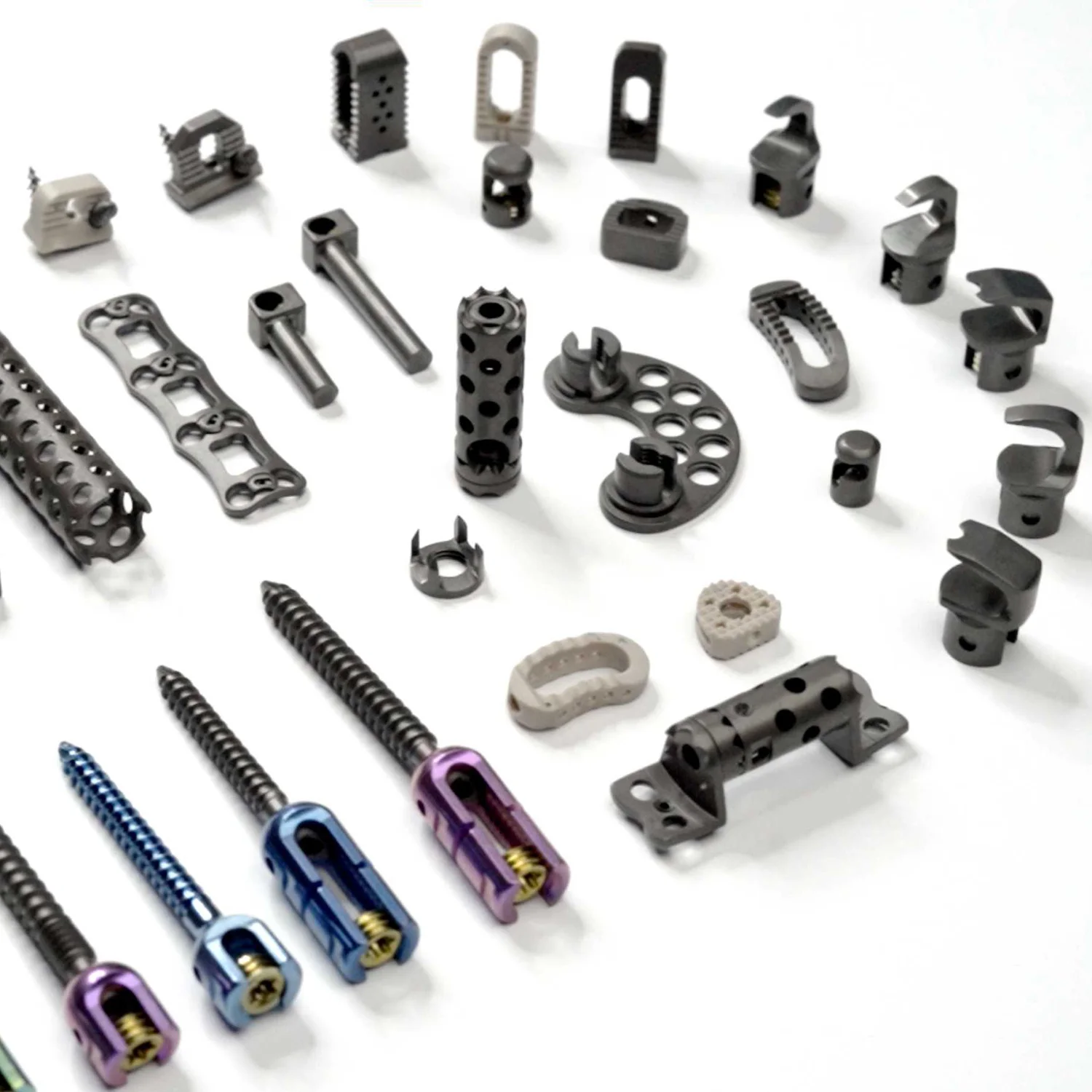
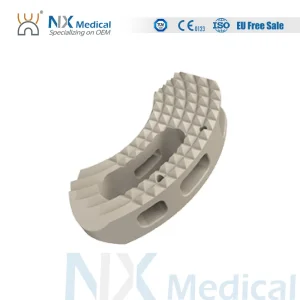
TLIF cages, maxillofacial locking screws, and cannulated compression screws broaden a distributor’s ability to serve neurosurgery, spine, and oral-maxillofacial departments without adding a completely separate supplier base.
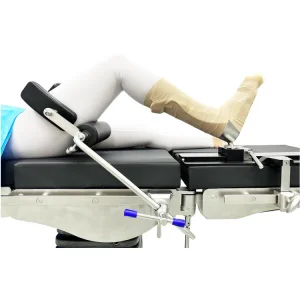
Well-leg positioners, arthroscopic holders, and organized instrument sets help reduce setup time, improve staff ergonomics, and standardize procedure preparation. These are practical differentiators for hospitals reviewing total cost of ownership rather than implant price alone.
Global orthopedic procurement has moved beyond a simple lowest-price comparison. Hospitals, distributors, and OEM brands are reconfiguring supply chains around clinical continuity, regulatory evidence, and long-term resilience.
Across mature and emerging markets, total knee replacement demand continues to rise as populations age and patients seek restoration of mobility. Payers and providers respond with value-based purchasing, bundled payments, waiting-list management, and closer scrutiny of implant survivorship. At the same time, global enterprises are reducing single-supplier risk by qualifying manufacturers in multiple regions. A China-based orthopedic factory can compete strongly when it combines realistic pricing with documented quality, stable lead times, engineering responsiveness, and transparent communication.
Procurement teams increasingly request material certificates, batch records, inspection reports, packaging validation, sterility documentation, product labeling, UDI support where applicable, complaint-handling procedures, and corrective-action processes. For Novosibirsk-bound programs, suppliers must also cooperate with local regulatory and customs requirements, language localization, and distributor labeling needs. The winning supplier is not the one that promises the shortest lead time in isolation; it is the one that can repeatedly deliver the right implant, the correct instrument tray, and the required documentation without creating administrative surprises.
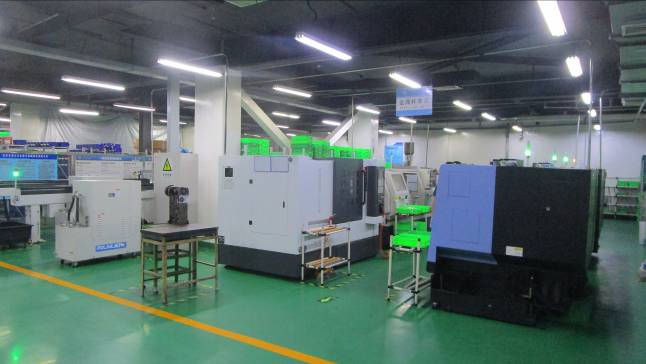
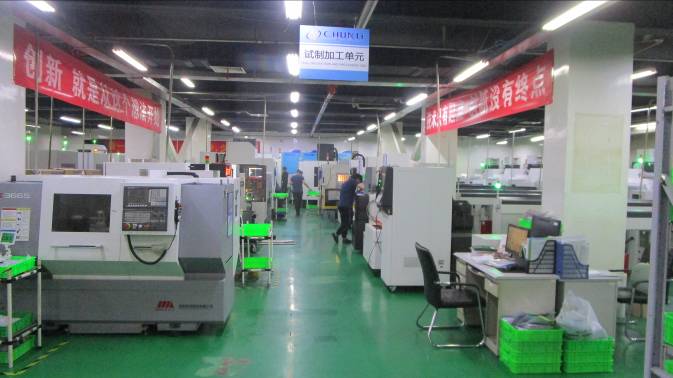
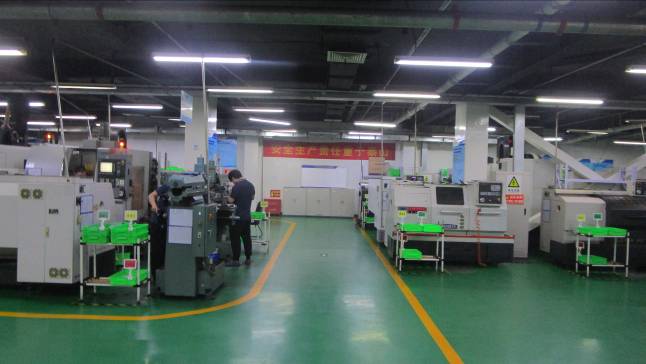
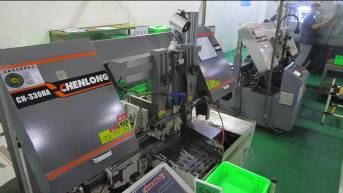
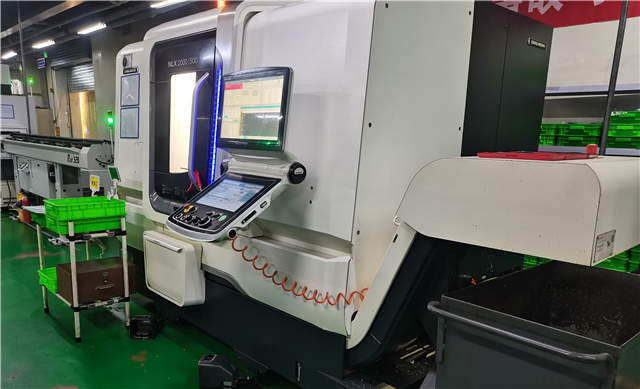
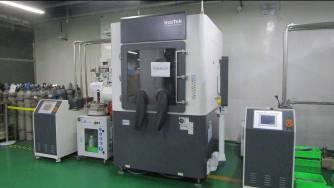
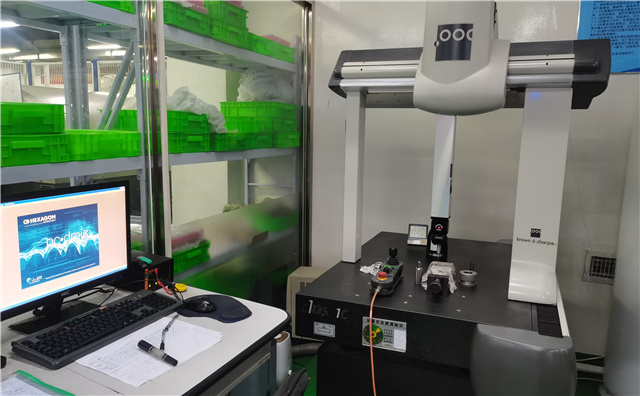
Factory 4.0 in orthopedics is not a marketing label; it is the disciplined use of digital and automated systems to reduce variation. For a TKR factory and exporter serving Novosibirsk, modern manufacturing means CNC machining consistency, controlled raw-material sourcing, laser marking, validated cleaning and passivation, cleanroom packaging, in-process inspection, and batch-level documentation. A digital workflow connects purchase orders, work instructions, inspection results, and shipping records, reducing the risk of human error across long-distance supply chains.
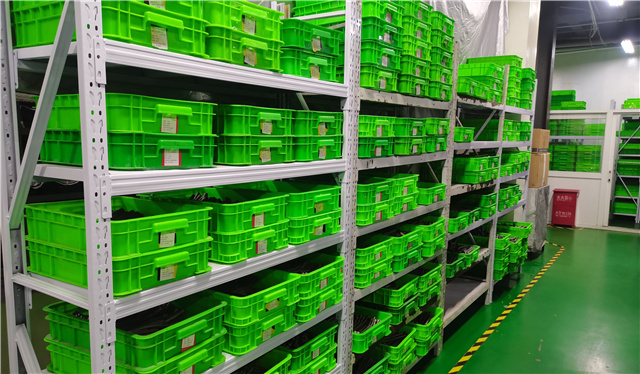
Resilience matters because orthopedic implants are safety-critical and procedure-critical. A missing screw, an incomplete instrument tray, or an inaccurate label can disrupt surgery. A Factory 4.0-oriented supplier maintains qualified suppliers, safety stock for critical materials, preventive maintenance schedules, change-control procedures, and backup capacity planning. This is especially important for Novosibirsk buyers who must coordinate shipping, customs clearance, distributor warehousing, and hospital inventories across thousands of kilometers.
Efficiency also improves customization. OEM and private-label buyers need rapid sampling, design feedback, packaging adaptation, and consistent production after approval. China’s mature orthopedic supply ecosystem—covering forging, machining, surface treatment, sterilization, packaging, and labeling—can shorten development cycles when the factory has strong engineering discipline. Shanghai XOVEC Medical Instrument Co., Ltd. integrates these principles into its orthopedic manufacturing and export operations, supporting buyers who require dependable quality and responsive communication.
In orthopedics, trust must be evidenced. Experience, expertise, authoritativeness, and reliability are built through documentation, process control, and transparent communication—not through unsupported claims.
A supplier serving Novosibirsk should understand that hospital procurement and distributor approval are evidence-based processes. Buyers may request quality certificates, material specifications, test reports, packaging information, product labels, instructions for use, and traceability records. Regulatory pathways for medical devices in the Eurasian Economic Union and Russian Federation require cooperation with local registration and labeling requirements. The supplier should be ready to support these needs in a professional, structured manner and should avoid promising regulatory outcomes it cannot control.
From a patient-safety perspective, the most important controls include biocompatibility, mechanical strength, geometrical accuracy, surface quality, corrosion resistance, sterile barrier integrity, and manufacturing traceability. A serious manufacturer maintains incoming inspection, in-process checks, final release, nonconforming-product handling, corrective and preventive action, and supplier monitoring. These systems reduce variability and help ensure that the implant delivered to a Novosibirsk hospital is the same implant that passed inspection at the factory.
This article is written for orthopedic distributors, hospital procurement teams, and OEM buyers who need a realistic understanding of what a China-based TKR factory can provide. It is not a substitute for clinical judgment, regulatory advice, or local registration requirements. Product selection must always be made by qualified healthcare professionals and approved through the relevant procurement and regulatory processes.
We are GMP and ISO certified global orthopedic implants manufacturing company, who remains committed to designing and manufacturing products that are safe, effective and of a high quality that meets both National and International Standards. We’re a leading orthopedic implants manufacturer and exporter based in India, with over 18+ years of experience exporting to 75+ countries.
Careful and stringent quality control is our main priority. At Shanghai XOVEC Medical Instrument Co., Ltd. every innovation undergoes complete monitoring and seamless documentation right from its procurement to the supply. Our mission is to provide reliable, safe and affordable Orthopedic implants of high geometric accuracy and surface quality, long service life and biocompatibility, to patients worldwide, aiming a fast healing success.
Recognized operations and a documented approach to orthopedic manufacturing help distributors and hospitals evaluate supplier credibility.
Quality control, practical manufacturing efficiency, and transparent communication support competitive programs without ignoring documentation and traceability.
Long-term export experience helps align product preparation, packaging, labeling, and shipping documentation with international buyer expectations.
OEM and private-label support can help Novosibirsk distributors build a local portfolio, manage instrument sets, and respond to tender requirements.
Beyond knee arthroplasty, Novosibirsk distributors often need a broader orthopedic portfolio for trauma lists, sports medicine, and specialized fixation procedures. These four products strengthen a mixed orthopedic supply program.
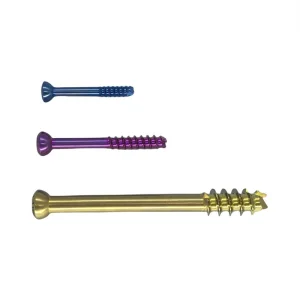
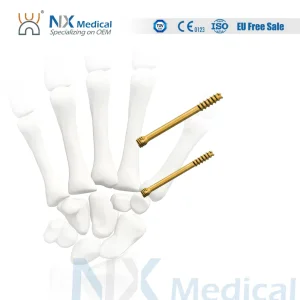
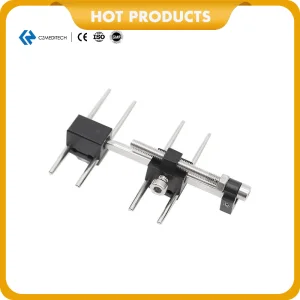
Practical answers for hospitals, distributors, and OEM buyers evaluating a total knee replacement factory and orthopedic export partner.
TKR refers to total knee replacement, also called total knee arthroplasty. It is a surgical procedure in which damaged knee joint surfaces are replaced with an artificial knee joint. Novosibirsk hospitals and clinics require reliable primary knee systems, revision options where appropriate, instrumentation, and positioning equipment to support surgical efficiency and patient recovery.
A China-based TKR factory can offer direct manufacturing communication, OEM/private-label flexibility, competitive pricing, and broad orthopedic portfolio access. For Novosibirsk buyers, the key is to work with a supplier that provides documented quality control, clear traceability, stable lead times, and cooperation with local regulatory and labeling requirements.
Yes. OEM and private-label support may include product marking, packaging adaptation, label artwork, instrument-set configuration, IFU cooperation, and production planning. Requirements differ by product and destination market, so early technical discussion is important. Use the inquiry form to share target products, quantities, and labeling expectations.
Depending on the product and procurement pathway, buyers may request quality management certificates, material specifications, inspection reports, packaging and sterility information, labeling artwork, traceability data, and instructions for use. For Russian and EAEU market access, local registration and regulatory requirements should be confirmed with qualified regulatory specialists.
Digital process control, documented inspection, supplier qualification, preventive maintenance, and batch-level traceability reduce errors and delays. For Novosibirsk, which depends on long-distance logistics, these controls help ensure that the correct implant, instrument, and documentation arrive together and can be traced when needed.
Yes. A mixed orthopedic portfolio can help distributors serve multiple hospital departments and tender categories. The product groups shown on this page include knee and hip replacement, trauma nailing, cannulated screws, external fixation, TLIF cages, suture anchors, maxillofacial screws, and PEEK components.
Product suitability depends on clinical requirements, surgeon preference, regulatory approval, hospital procurement rules, and patient-specific factors. The information on this page is for business and procurement evaluation. Healthcare professionals must make clinical decisions, and buyers must verify local registration and compliance before use.
Click any Send Inquiry Now button on this page to contact the team at /contact/. Include your target products, estimated quantities, destination city, preferred Incoterms, labeling language, and whether you need OEM/private-label support. This helps the factory respond with a more accurate quotation and technical proposal.
A complete supply strategy often requires more than knee implants. These eight product families support hip replacement, arthroscopy, sports medicine, trauma, spine, and maxillofacial procedures—helping Novosibirsk distributors build a broader orthopedic offering with a single manufacturing conversation.
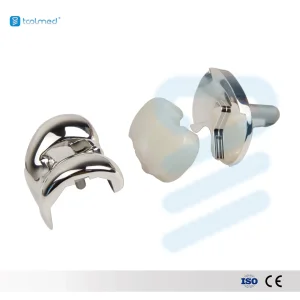
 XOVEC Orthopedic Implants