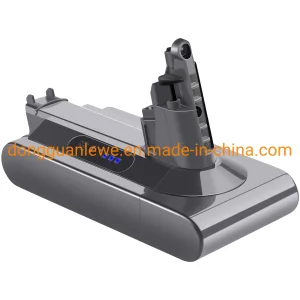
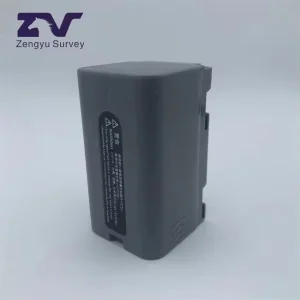
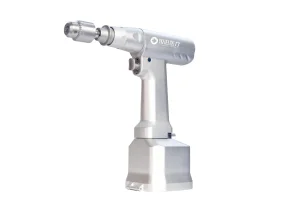
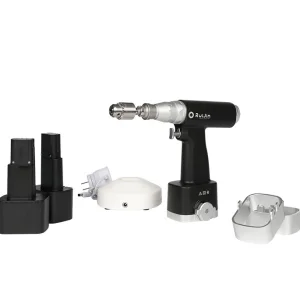
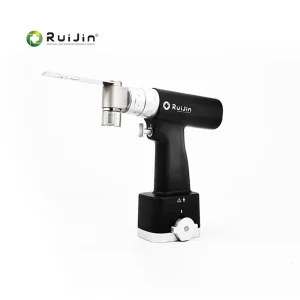
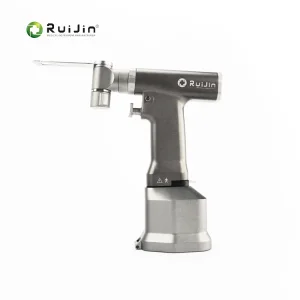
High-performance tools, battery systems, and surgical devices optimized for orthopaedic surgery and navigation within Montenegro's clinical institutions.
Montenegro’s healthcare system is undergoing a significant transition toward modernization and centralization of orthopedic care. The demand for hip reconstruction and arthroplasty systems has grown steadily, driven by an aging demographic, clinical cases of severe osteoarthritis, and secondary hip dysplasia common across the Balkan peninsula. The Clinical Center of Montenegro (KCCG) in Podgorica and the Special Hospital for Orthopedics, Neurosurgery and Neurology "Vaso Ćuković" in Risan represent the primary nodes for surgical procedures, dictating strict regulatory adherence and technical excellence for imported medical implants.
For international manufacturers, entering this market requires a detailed understanding of the regional procurement mechanisms led by Montefarm (the state pharmacy and medical supplies procurement institution), alongside establishing strong technical training support. Total Hip Replacement (THR) assemblies utilized in Montenegro must conform to harmonized European Union standards, carrying visible CE Marking, ISO 13485 certifications, and thorough biocompatibility documentation.
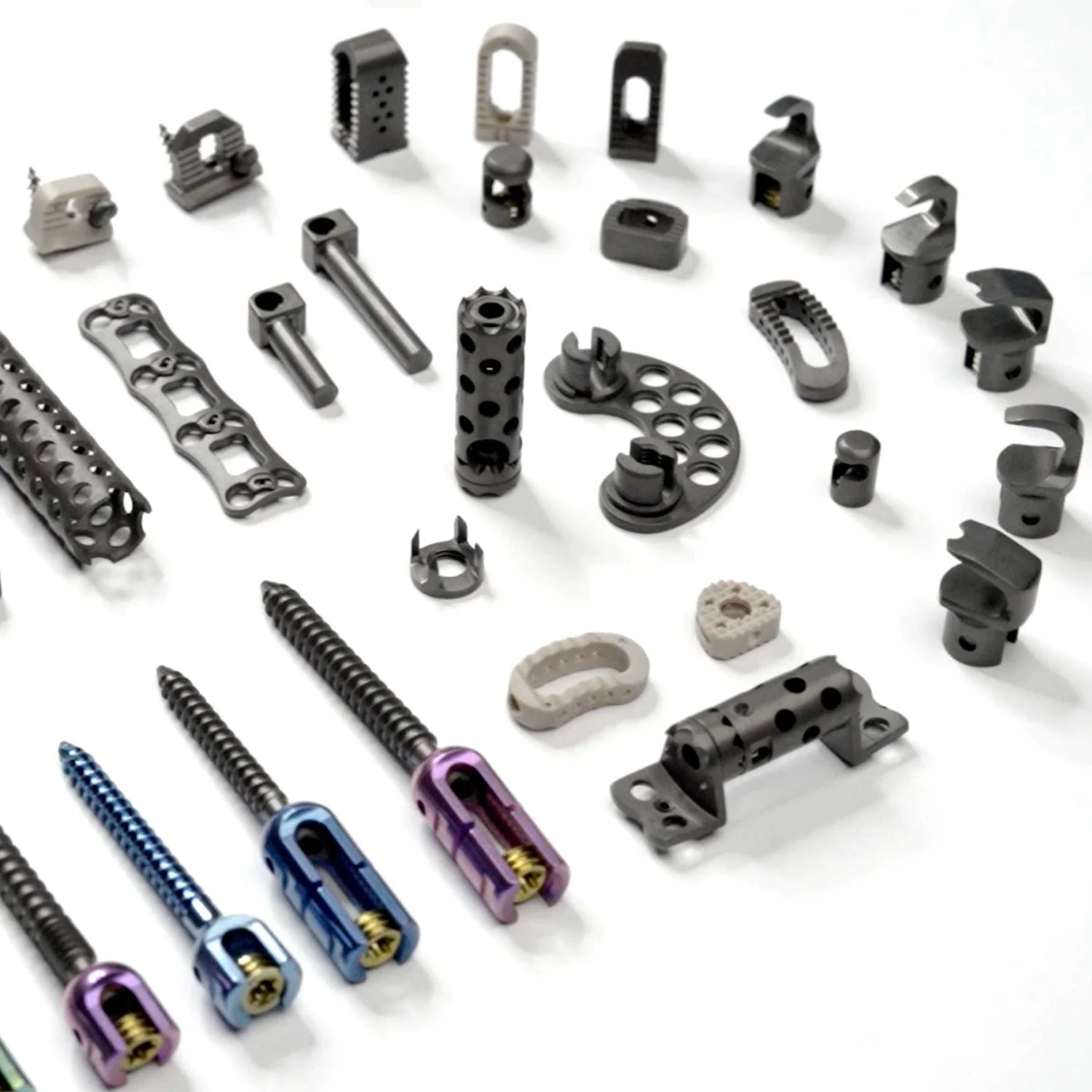
Exploring the transitions in materials, fixation methods, and international supply chain standards driving clinical outcomes worldwide.
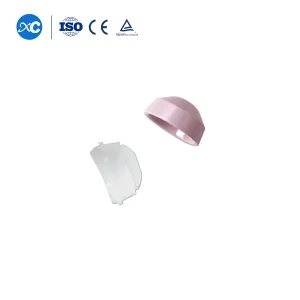
Modern hip reconstruction emphasizes reducing friction. The industry has shifted toward highly cross-linked polyethylene (HXLPE) liners paired with ceramic femoral heads, significantly lowering osteolysis rates and increasing implant survival rates to over 95% at 15 years.
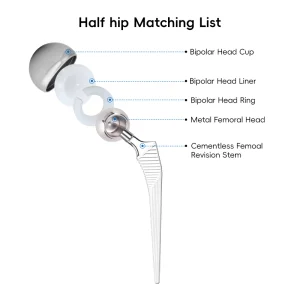
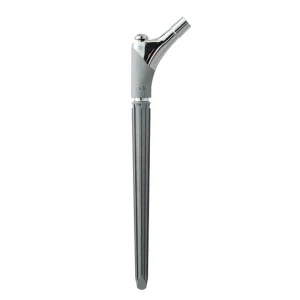
Press-fit or cementless stems utilize specialized porous coatings (such as titanium plasma spray or trabecular metal structures). These surfaces encourage rapid bone ingrowth (osteointegration), ensuring long-term secondary stability in active patients.
Modern operating rooms require components that interface seamlessly with computer-assisted orthopedic surgery (CAOS) and robotic navigation platforms, ensuring highly accurate implant placement and reduced dislocation risks.
| Implant Material Type | Primary Application Profile | Osteointegration Speed | Expected Lifetime |
|---|---|---|---|
| Cemented Cobalt-Chrome Stems | Elderly patients with low bone mineral density, osteoporotic conditions | Immediate mechanical fixation (via bone cement PMMA) | 10 - 15 Years |
| Cementless Titanium Alloy (Ti-6Al-4V) | Younger, physically active patients with good bone quality | 4 - 8 weeks for trabecular bone infiltration | 20+ Years |
| BIOLOX Delta Ceramic-on-Polyethylene | High-demand primary THR, revision arthroplasty | Dual integration pathways with porous acetabular shells | 25+ Years |
Years Manufacturing Experience
Countries Exported Globally
ISO & GMP Compliant Raw Materials
Years of Direct Export Operations
Shanghai XOVEC Medical Instrument Co., Ltd. offers a strategic combination of high-precision manufacturing, certified quality management systems (ISO/GMP), and cost structures optimized for competitive public healthcare tenders. Our orthopedic implants undergo continuous monitoring, utilizing documented material sourcing and manufacturing practices to ensure reliable patient outcomes.
Fully compliant with regional and international health sector standards, ensuring smooth registration processes.
Advanced manufacturing automation lowers production costs without compromising clinical performance.
Rapid CNC prototyping and coating modifications tailored to specific clinical requirements or regional anatomic variations.
Vacuum plasma spraying technologies create durable, bio-compatible surfaces that support osteointegration.
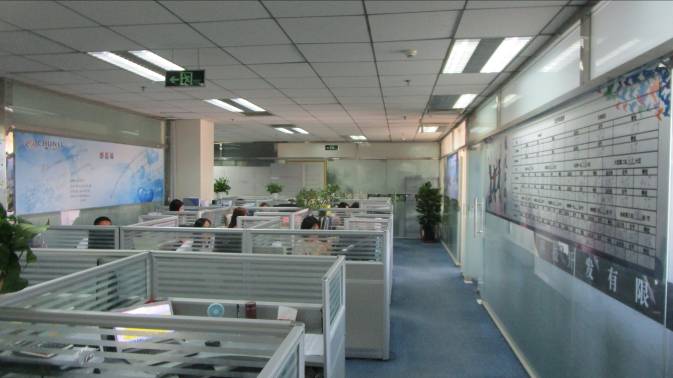
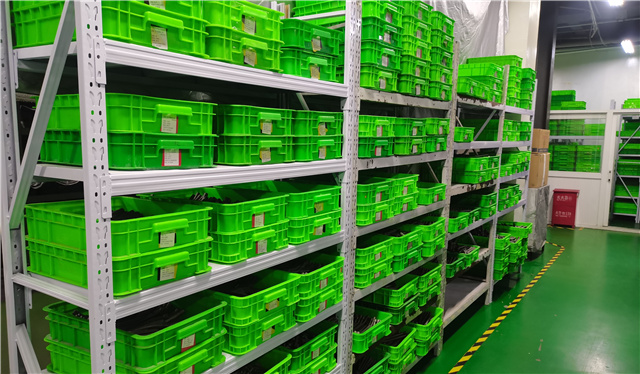
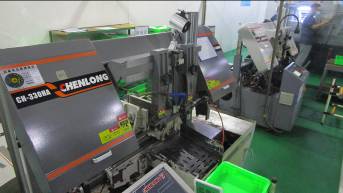
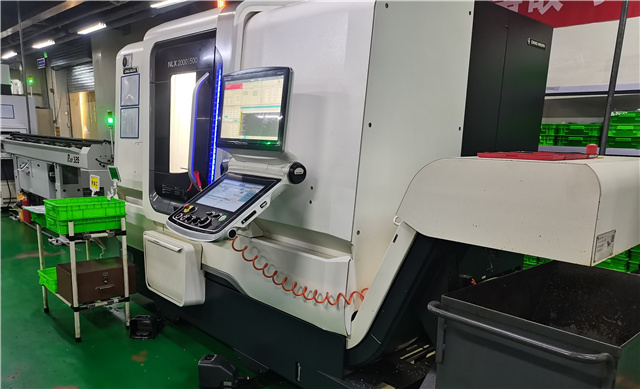
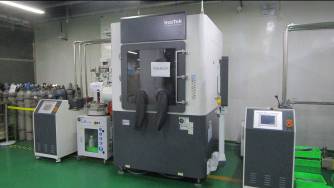
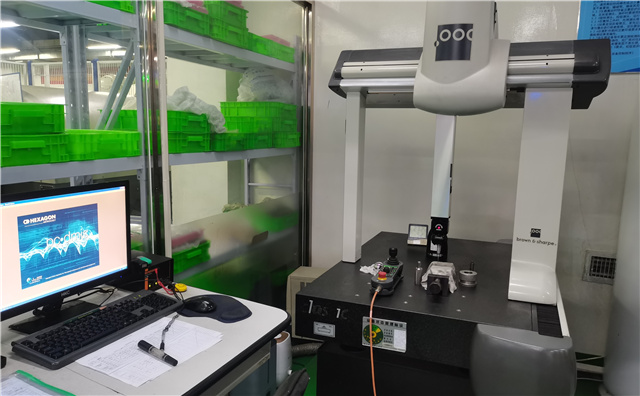
Healthcare providers in Montenegro require orthopedic solutions tailored to the clinical realities of the Balkan region. Key considerations for hospital tenders, private surgical centers, and distribution networks include:
The Balkan peninsula exhibits a higher incidence of developmental hip dysplasia compared to Western Europe. As a result, orthopedic centers in Montenegro require modular femoral stems and dysplasia-specific acetabular shells to reconstruct joints with compromised anatomy. Modern cementless systems allow surgeons to achieve secure press-fit stability even in shallow acetabular structures.
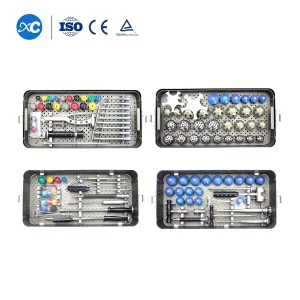
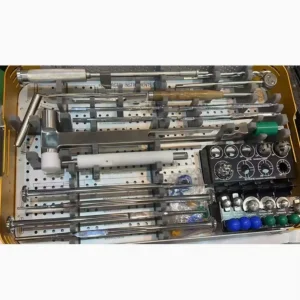
Montenegro relies heavily on medical imports, making supply chain predictability essential. Distributors require manufacturers that supply complete implant families along with high-durability, ergonomically designed surgical instrument sets. Our product portfolio includes specialized instrument sets that reduce intraoperative adjustments and support reproducible surgical outcomes.
Public healthcare tenders in Montenegro prioritize both clinical compliance and cost efficiency. By working directly with a vertically integrated manufacturer like Shanghai XOVEC, procurement administrators can access implants that balance cost-effectiveness with high performance, satisfying the technical demands of surgical teams and the financial criteria of regional health authorities.
Technical and commercial answers for orthopedic distributors, purchasing managers, and clinical professionals in Montenegro.
Our cementless systems utilize a highly porous titanium plasma spray coating that mimics natural trabecular bone structure. This surface micro-roughness facilitates cellular adhesion and vascularization, promoting secure secondary biological fixation even in complex dysplastic anatomies where contact surfaces are limited.
To satisfy Montenegro's Ministry of Health and Montefarm requirements, implants must hold valid CE certifications under the EU Medical Device Regulation (MDR 2017/745) or MDD 93/42/EEC, backed by ISO 13485 quality system certifications. Complete clinical evaluation reports and sterilization validation data are required during the registration phase.
By combining raw materials sourcing with automated CNC milling and plasma coating inside our certified facility, we minimize production scrap and labor overheads. These savings allow us to offer competitive pricing on premium materials like titanium and cobalt-chrome, supporting cost control in healthcare budgets.
Standard product orders generally ship within 30 to 45 days from our Shanghai facility. Custom-machined implants or specialized instrumentation systems require an additional 15 to 20 days for custom tool path programming, sample testing, and validation.
Every production batch undergoes strict inspection protocol testing. Implants are packaged in certified cleanrooms and sterilized using Gamma Irradiation or Ethylene Oxide (EO) sterilization, validated to ensure a Sterility Assurance Level (SAL) of 10^-6, compliant with EN ISO 11137 standards.
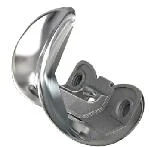
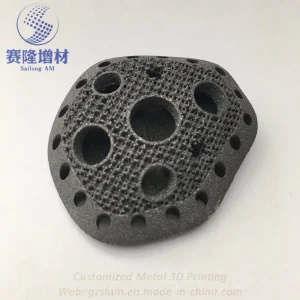
Explore our full line of primary and revision joint replacement implants, surgical cutting tools, post-operative equipment, and auxiliary power solutions.
 XOVEC Orthopedic Implants