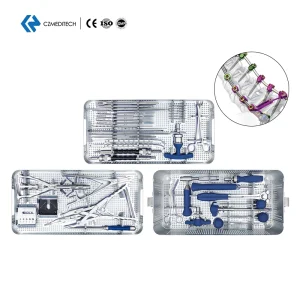
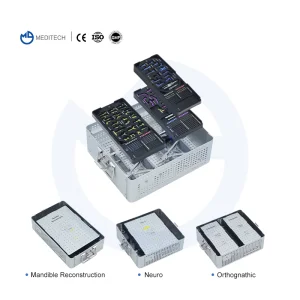
Engineered for excellence, supporting surgical precision in private and public hospitals across Namibia.
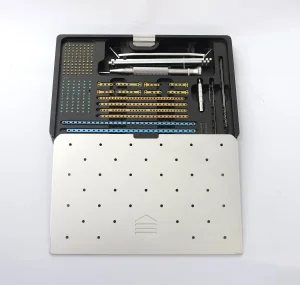
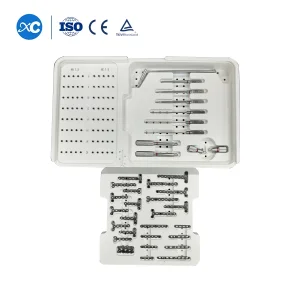
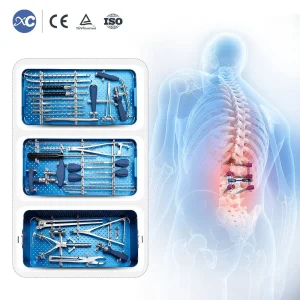
We are GMP and ISO certified global orthopedic implants manufacturing company, who remains committed to designing and manufacturing products that are safe, effective and of a high quality that meets both National and International Standards. We’re a leading orthopedic implants manufacturer and exporter based in India, with over 18+ years of experience exporting to 75+ countries.
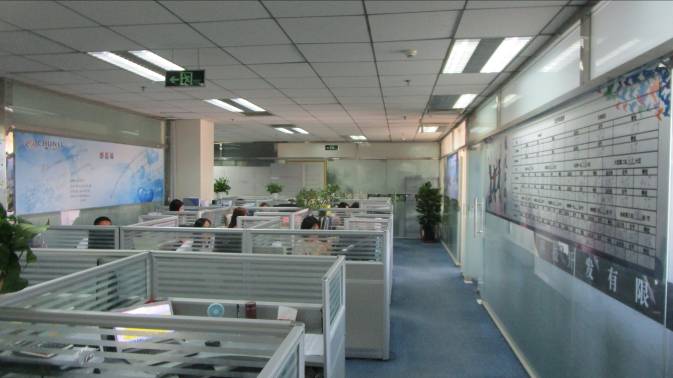
Careful and stringent quality control is our main priority. At Shanghai XOVEC Medical Instrument Co., Ltd. every innovation undergoes complete monitoring and seamless documentation right from its procurement to the supply. Our mission is to provide reliable, safe and affordable Orthopedic implants of high geometric accuracy and surface quality, long service life and biocompatibility, to patients worldwide, aiming a fast healing success.
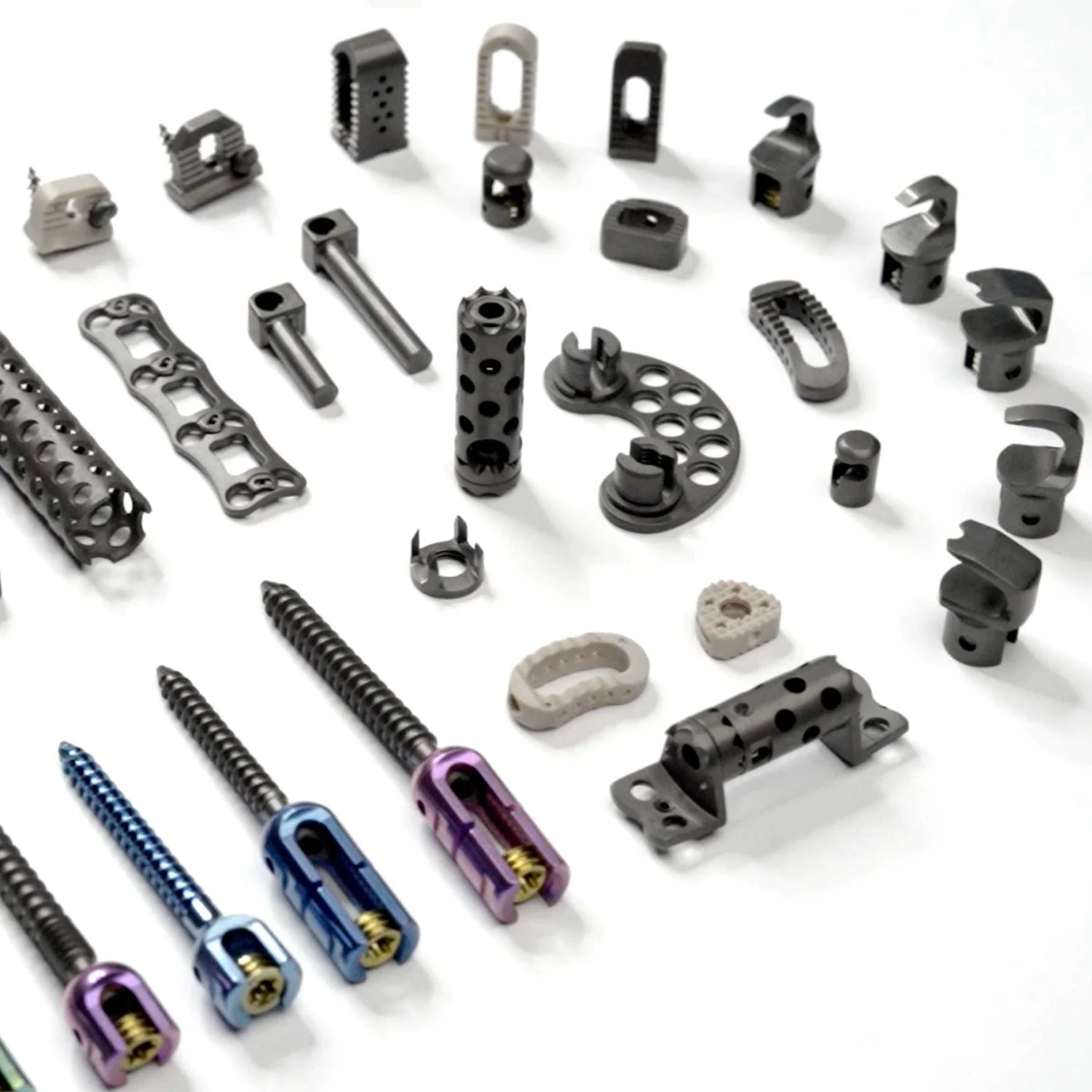
Ensuring structural longevity, clinical precision, and bespoke customizations for regional surgical demands.
Strict administrative alignment ensuring frictionless regulatory clearing and direct logistics to public and private health ministries.
Consistently optimizing our raw material pipelines to provide world-class medical instrumentation without inflating hospital operational costs.
Global deployment, handling complex cold chain logistics, custom cleared documentation, and direct cargo flights globally.
Equipped to prototype and mass produce bespoke implants and instruments engineered to dynamic surgeon specifications.
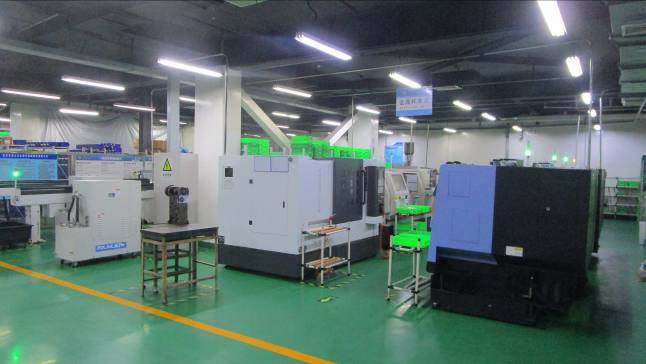
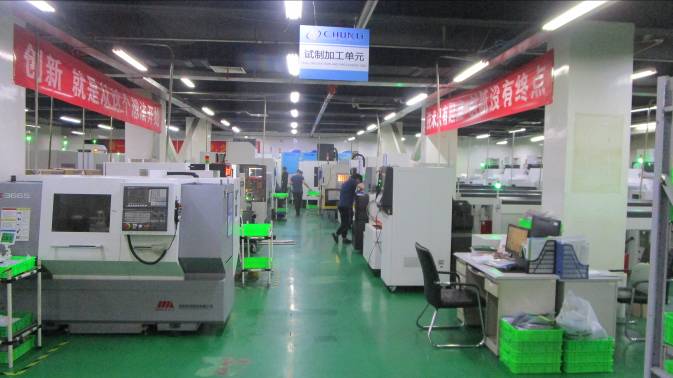
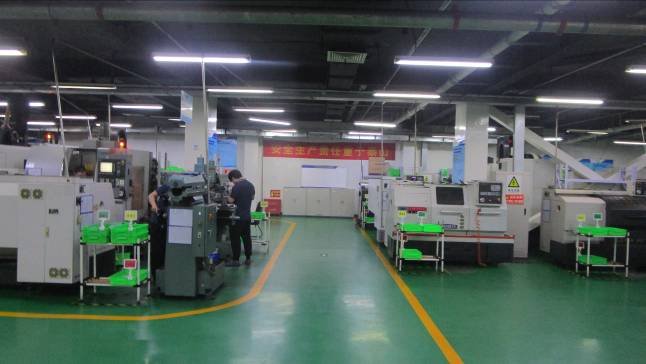
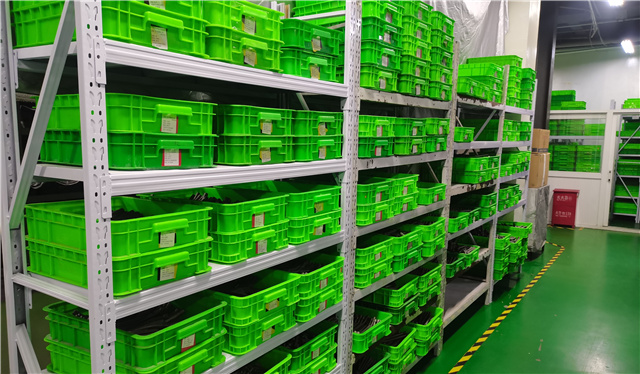
Inspection of medical-grade titanium alloys and stainless steel blocks.
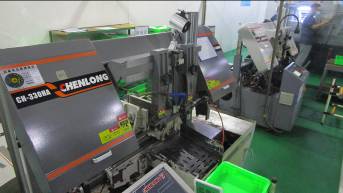
Automated high-speed laser cutting to secure exact geometric foundations.
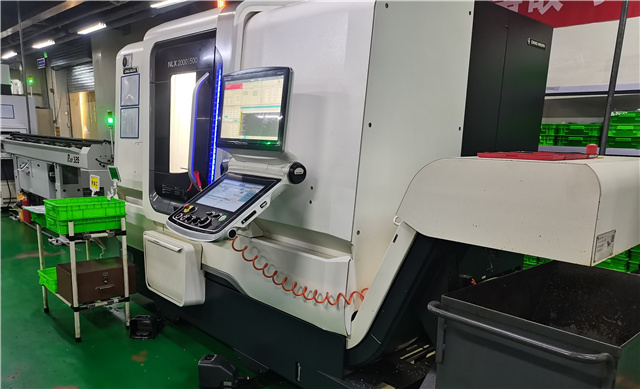
Multiaxis CNC turning and milling to meet strict micron-level tolerances.
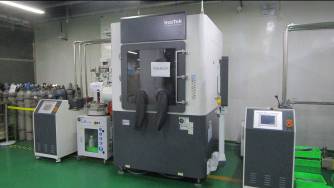
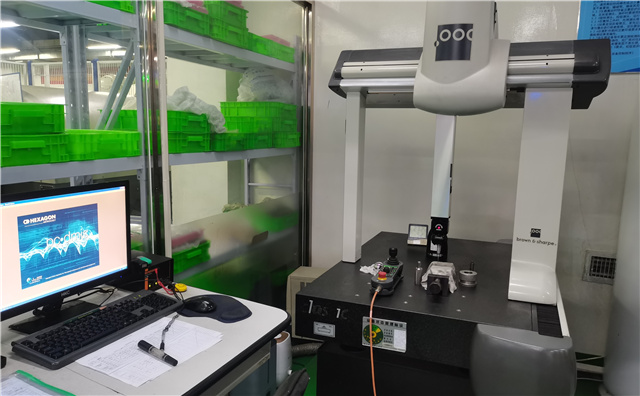
Surface treatment optimization ensuring high biocompatibility.
Deep-dive research on orthopedic requirements, clinical demands, and surgical tool innovation in Namibia.
Namibia is experiencing a significant transformation in its orthopedic surgical infrastructure. With a population dispersed across vast distances, the centralization of specialist surgical services around Windhoek (Katutura State Hospital, Windhoek Central Hospital, Lady Pohamba Private Hospital) and regional hubs such as Oshakati, Walvis Bay, and Rundu demands reliable, long-lasting orthopedic instrumentation. The incidence of road traffic collisions along major transit corridors, combined with expanding mining operations in the Erongo and Kharas regions, has heightened the clinical requirement for trauma and spine repair kits.
Surgical success in these settings depends heavily on the immediate availability of comprehensive instrumentation sets—such as fragment plate systems, locking screw drivers, and intramedullary nails—that can withstand repeated autoclave sterilization cycles without degradation. Importers, clinical distributors, and hospital procurement departments in Namibia require manufacturers that not only deliver high-volume supplies but also guarantee micro-level precision and strict compliance with the Namibia Medicines Regulatory Council (NMRC) standards.
Modern bone reconstruction surgery requires highly task-oriented instrumentation. For example, local clinics in Khomas or Otjozondjupa regions handling pediatric or small-animal orthopedic surgeries rely on 1.6 mm or 2.4 mm mini locking plate sets. Conversely, high-trauma cases handled by major referral hospitals require heavy-duty intramedullary nails, such as PFNA Gamma Nails, accompanied by high-torque screw drivers and specialized drill guides.
In spinal interventions, the application of lumbar posterior titanium rods and 6.0 mm pedicle screw systems demands absolute structural compliance. The instruments must offer ergonomic tactile feedback to the spinal surgeon, ensuring precise screw placement near the spinal cord. In knee ligament reconstructions (ACL/PCL), specialized arthroscopy guide systems and tunnel dilators are required to minimize incision size, reduce intra-operative blood loss, and facilitate faster recovery times for patients across Namibia's private and public sectors.
The manufacturing of orthopedic implants is shifting toward smart medical metallurgy and computer-aided engineering. The integration of Grade 5 Titanium Alloy (Ti-6Al-4V ELI) ensures the ultimate strength-to-weight ratio and superior biocompatibility. Moving forward, the industry is transitioning toward additive manufacturing (3D printing) of customized porous titanium structures that mimic human trabecular bone, promoting rapid osseointegration.
Simultaneously, surgical instrument sets are incorporating advanced surface treatments, such as hard anodic oxidation and physical vapor deposition (PVD) coatings. These techniques improve surface hardness, lower friction coefficients, and enhance corrosion resistance against saline washing solutions. In the near future, RFID tracking microchips will be embedded directly into instrument trays, allowing Namibian sterile processing departments to digitally log autoclave cycles, coordinate inventory, and optimize operating room efficiency.
Leveraging state-of-the-art Chinese medical manufacturing hubs, Shanghai XOVEC Medical Instrument Co., Ltd. provides Namibia's healthcare sector with reliable, cost-efficient supply chain security. China's advanced manufacturing infrastructure features high-precision multi-axis CNC machines and automated optical inspection systems that guarantee uniform production quality across large batches.
This automated capacity allows us to quickly scale up production during regional health challenges and secure consistent supply lines. Furthermore, our strong logistical links from major Chinese cargo centers ensure direct shipping options to Hosea Kutako International Airport in Windhoek. This minimizes transshipment delays, eliminates prolonged customs processing, and ensures that critical trauma instrument sets arrive safely at Namibian medical facilities when they are needed most.
Complete surgical trays, locking plates, intramedullary systems, and ligament repair sets available for rapid shipment.
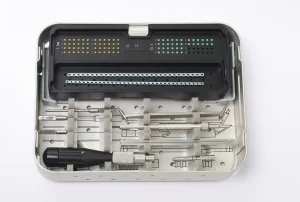
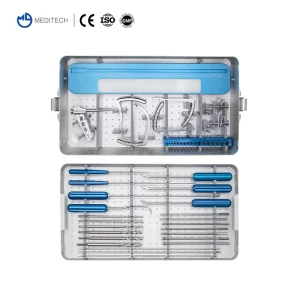
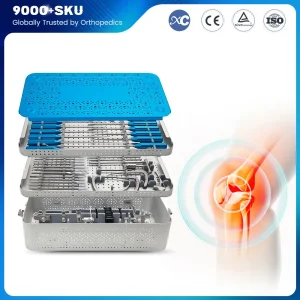
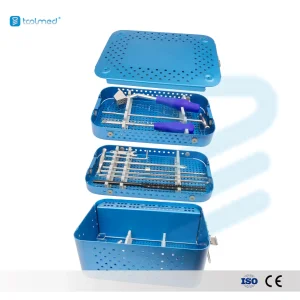
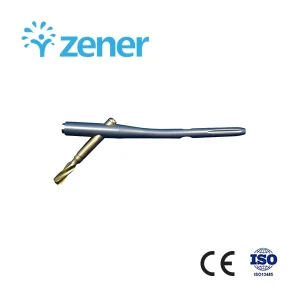
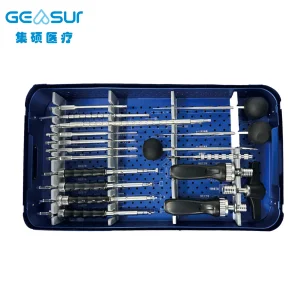
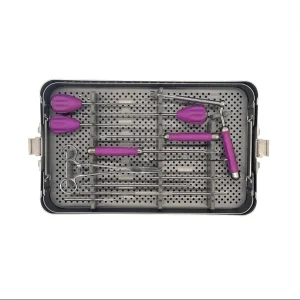
Ensuring seamless transit, custom clearance, and sterilizable integrity for Namibian procurement networks.
We facilitate complete documentation to support registration with the Namibia Medicines Regulatory Council (NMRC). All instrument sets and implants are fully backed by CE, ISO 13485, and GMP certificates, simplifying importation processes and hospital audits.
Our instruments are shipped in durable, double-layered sterilization containers and heat-sealed barrier pouches. This protects them from humidity and dust during transport, keeping them in sterile, optimal condition for medical facilities across Namibia.
Through trusted international logistics partners, we ship directly to Windhoek, Walvis Bay, and other regional hubs. We manage all export documentation, custom tariff coding, and air cargo routing to ensure fast, reliable delivery.
Expert answers regarding our technical designs, supply chain logistics, and support services in Namibia.
Yes. Our production facilities include dedicated OEM/ODM design engineering. We can customize screw pitch configurations, plate geometries, and driver ergonomics to align with local surgical preferences or specific hospital requirements in Windhoek and other regional clinics. Our engineering team conducts finite element analysis (FEA) to verify the mechanical stability of all custom designs before manufacturing.
We use premium implant materials, including Grade 5 Titanium Alloy (Ti-6Al-4V ELI) and medical-grade 316LVM Stainless Steel. These materials offer high tensile strength, exceptional fatigue resistance, and excellent biocompatibility, ensuring long implant life and reliable recovery outcomes.
For standard stocked items, orders are dispatched within 7–10 working days. Custom manufacturing orders typically require 30–45 days. We coordinate air freight directly to Hosea Kutako International Airport (WDH) to ensure fast delivery and reduce transit delays.
Our instruments are built from corrosion-resistant materials and undergo advanced passivation treatments. They are designed to withstand standard steam autoclave sterilization processes (134°C for 4 minutes or 121°C for 15 minutes) without losing structural integrity or dimensional accuracy.
We provide comprehensive digital resources, including detailed cleaning guides, assembly manuals, and instructional videos. For large procurement contracts with hospitals or regional health ministries, we can organize virtual training sessions led by our biomedical engineers to ensure correct sterilization, usage, and maintenance of our instrument trays.
All our surgical instruments are covered by a comprehensive warranty against material defects. If a replacement component (such as a specific drill bit, depth gauge, or screwdriver shaft) is needed, we maintain a dedicated service stock for quick dispatch, helping minimize surgical service downtime for our hospital partners.
Discuss your regional distribution needs, procurement tenders, or custom surgical design requirements with our engineering team.
Send Inquiry Now XOVEC Orthopedic Implants