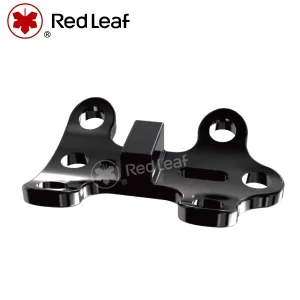
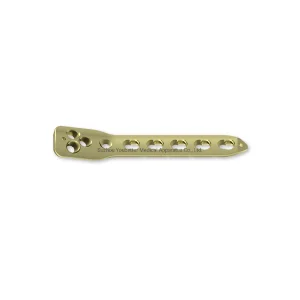
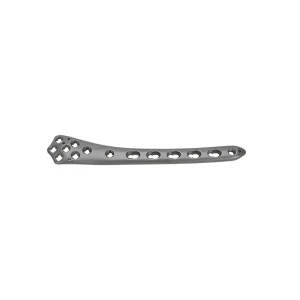
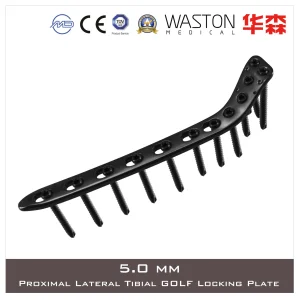
Precision-engineered trauma implants optimized for rapid clinical deployment across hospitals in Malabo and Bata.
Equatorial Guinea, comprising the mainland Rio Muni region (anchored by the city of Bata) and the insular region of Bioko (featuring the capital city of Malabo), is undergoing a systemic expansion of its healthcare infrastructure. With national investments channeling into medical upgrades via MINSABS (Ministerio de Sanidad y Bienestar Social), local medical institutions are setting higher standards for internal fixation implants used in trauma surgery.
Historically, orthopedic care in Central Africa relied heavily on generic, non-locking compression plate systems, leading to higher rates of implant failure, malunion, and prolonged post-operative hospitalization. Today, the rise in heavy industrial operations (specifically oil and gas exploration in Malabo's offshore zones, construction, and maritime logistics) combined with expanding high-speed roadway networks has resulted in a marked increase in complex, high-energy trauma cases. Multi-fragmentary fractures of the long bones, distal radius, and distal tibia are highly prevalent.
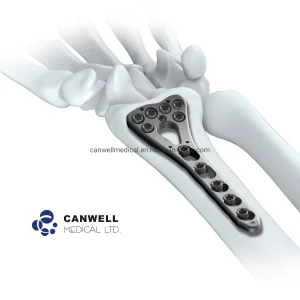
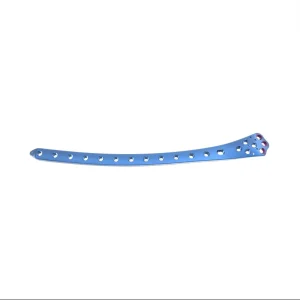
To address this clinical shift, surgeons at major regional institutions such as the Hospital General de Malabo, Hospital General de Bata, and the state-of-the-art La Paz Medical Centers demand advanced Locking Compression Plate (LCP) systems. These locking mechanisms serve as rigid, internal-fixator constructs, offering structural stability crucial for patients presenting with osteoporotic bone or complex comminuted fractures.
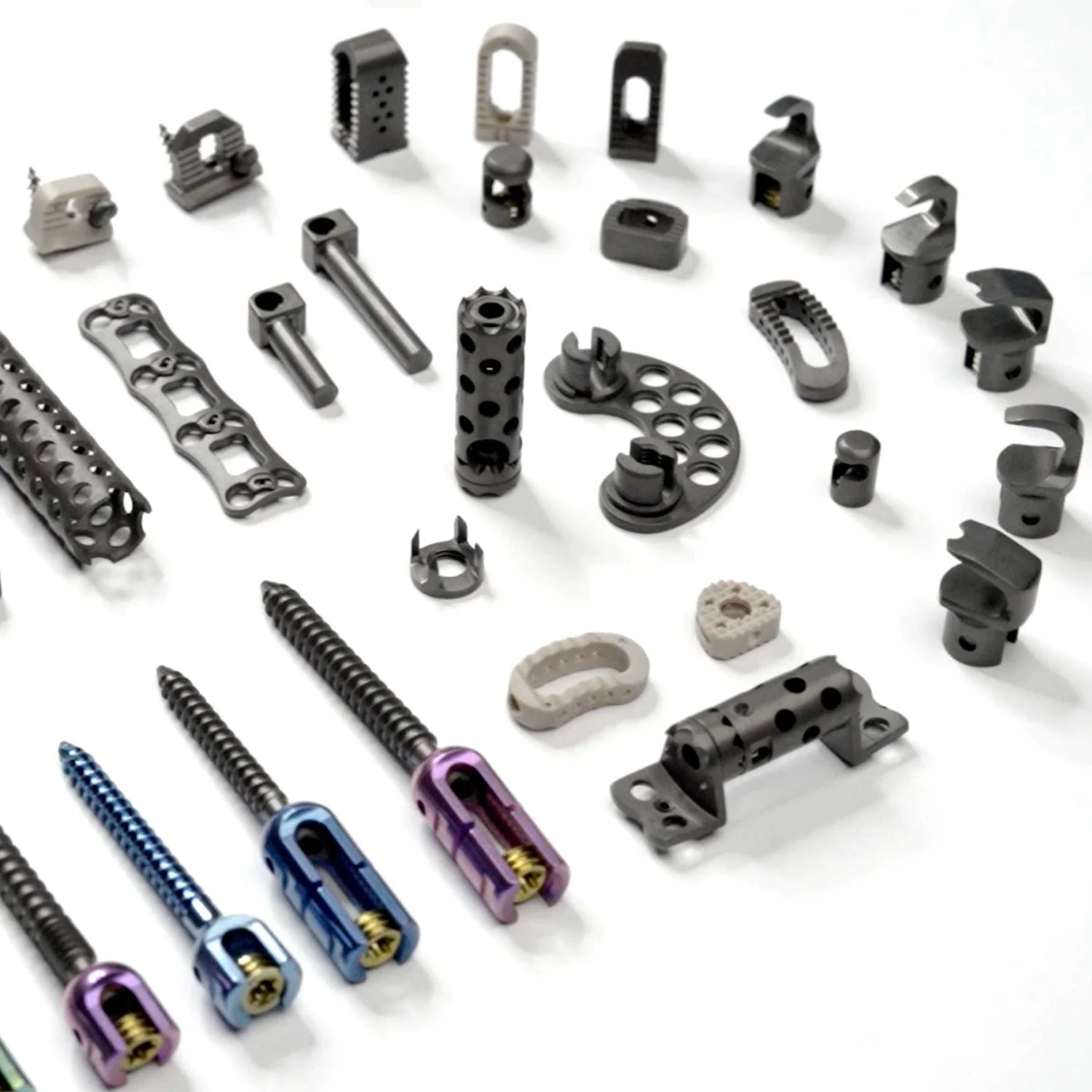
Modern osteosynthesis relies heavily on the concept of "biological plating," which prioritizes the preservation of the periosteal blood supply to accelerate bone healing. Conventional dynamic compression plates (DCP) require high torque to compress the plate tightly against the bone surface, which inevitably constricts the underlying periosteum and can lead to localized bone necrosis. In contrast, Locking Plates & Screws systems eliminate the need for plate-to-bone friction, acting instead as a rigid external fixator situated internally.
By securing the screw to the threaded plate hole, the plate remains slightly elevated above the bone surface. This preserves the microvascular network of the periosteum, encouraging faster callus formation.
In multi-fragmentary or osteoporotic fractures, conventional screws can loosen and pull out. Locking systems utilize a threaded screw head that locks mechanically into the plate, preventing toggle and loss of reduction.
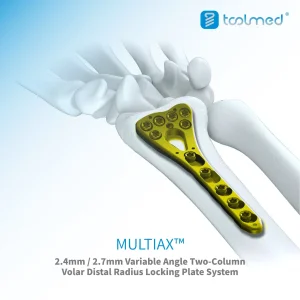
Polyaxial locking systems allow surgeons to angulate the locking screw up to 15 degrees in any direction. This enables targeted screw placement through complex anatomical fragments, ensuring optimal structural reconstruction.
In Equatorial Guinea, environmental factors such as high humidity and coastal salinity present specific challenges for sterile storage and medical implant integrity. Our orthopedic locking systems are manufactured from medical-grade materials conforming to strict ASTM and ISO standards:
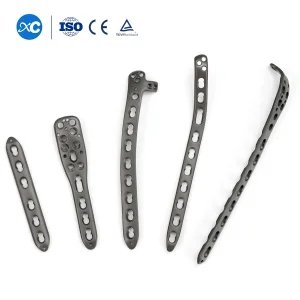
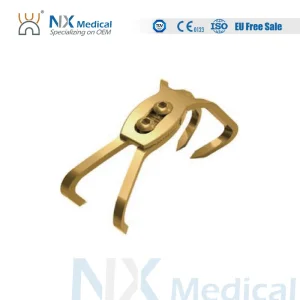
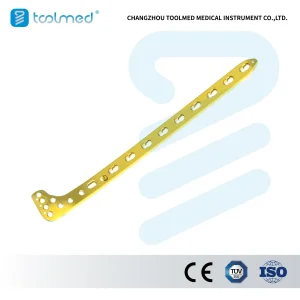
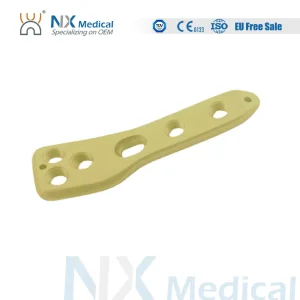
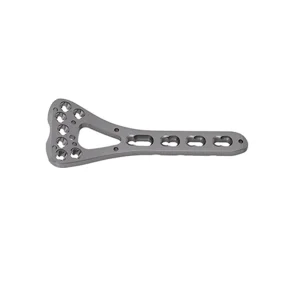
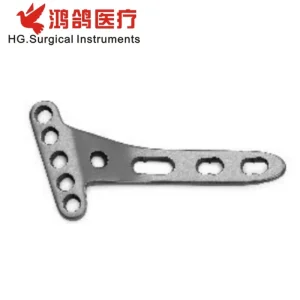
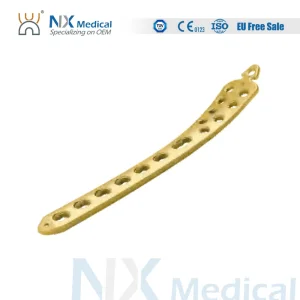
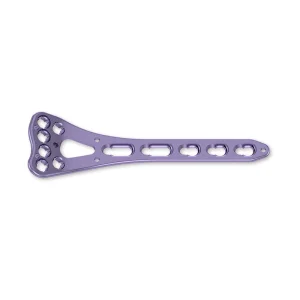
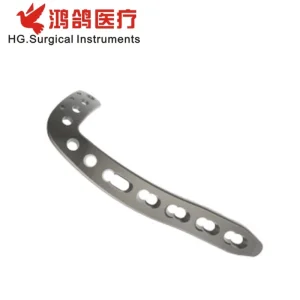
Targeted anatomical designs for upper and lower limb reconstructive surgeries under tropical clinical parameters.
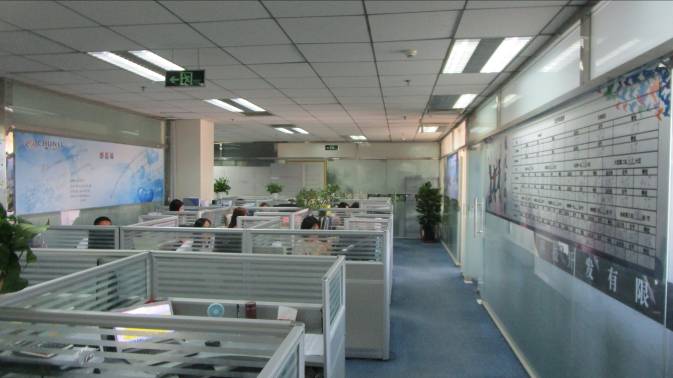
We are a GMP and ISO certified global orthopedic implants manufacturing company, who remains committed to designing and manufacturing products that are safe, effective and of a high quality that meets both National and International Standards. We’re a leading orthopedic implants manufacturer and exporter based in India, with over 18+ years of experience exporting to 75+ countries.
Careful and stringent quality control is our main priority. At Shanghai XOVEC Medical Instrument Co., Ltd. every innovation undergoes complete monitoring and seamless documentation right from its procurement to the supply. Our mission is to provide reliable, safe and affordable Orthopedic implants of high geometric accuracy and surface quality, long service life and biocompatibility, to patients worldwide, aiming a fast healing success.
✓ Government Recognized Company: Registered and authorized supply pipelines ensuring trouble-free customs clearance and official procurement clearance under Central African regional mandates.
✓ High Quality Products with Competitive Pricing: Premium orthopedic locking systems that match Western performance profiles while preserving hospital operational budgets.
✓ Exporting Since 15 Years: Proven logistical pathways directly into the Port of Bata and Port of Malabo, navigating local import policies efficiently.
✓ On Demand Customized Manufacturing: Ability to produce custom plate geometries, specialized anodization color coding, and tailored surgical instrumentation kits.
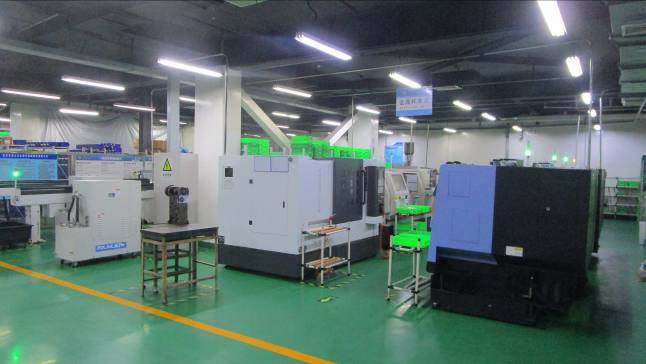
 CNC Milling Setup
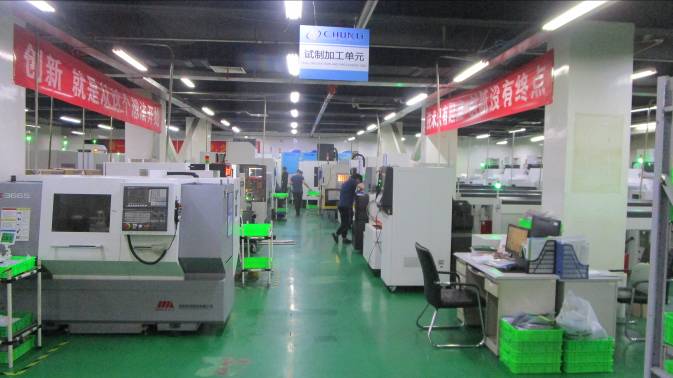
 Precision Surface Finishing
 Dimensional Calibration
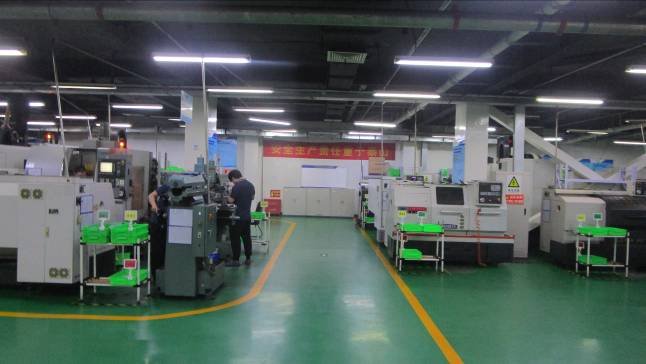 Final Cleaning & Inspection
From raw medical-grade titanium rods to sterile clinical-ready orthopaedic locking systems, every step is rigorously monitored.
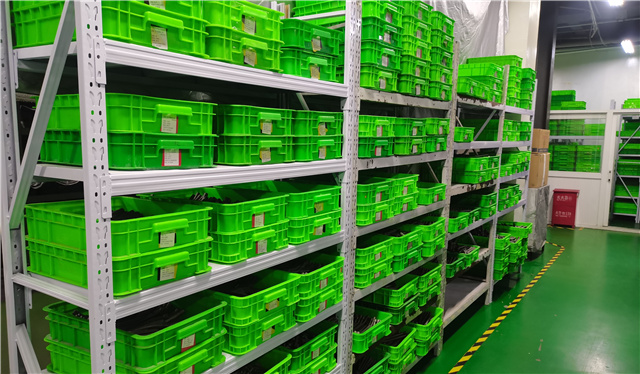
1. Raw Materials
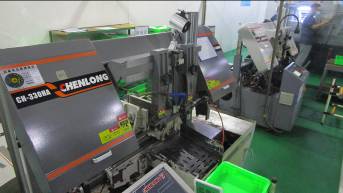
2. Cutting
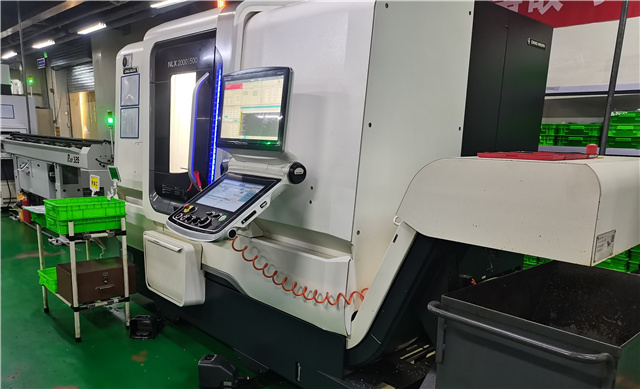
3. Machining
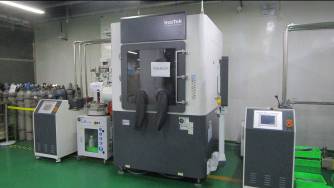
4. Spray Coating
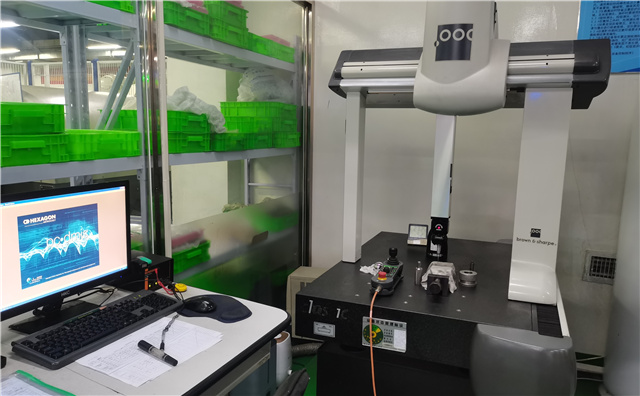
5. Anodic Oxidation
Importing orthopaedic locking devices into Equatorial Guinea requires a strategic approach to regulatory approval, logistics, and quality assurance. As a primary global OEM manufacturer, Shanghai XOVEC assists regional distributors and government agencies in mitigating supply risks.
To distribute orthopedic implants within Equatorial Guinea, items must be registered with MINSABS. Shanghai XOVEC supplies a complete regulatory documentation package, including:
Equatorial Guinea's humid tropical environment requires robust packaging strategies to prevent sterilization breach and surface contamination. We utilize:
Full list of advanced locking plates and trauma management modules designed for clinical reliability.
Crucial technical and logistical parameters resolved for hospital procurement agents and importers in Bata and Malabo.
Partner with a globally recognized, GMP-certified manufacturer of locking plates and screws. We supply premium-grade titanium implants customized to the unique needs of the Equatorial Guinea medical sector.
Send Inquiry Now XOVEC Orthopedic Implants