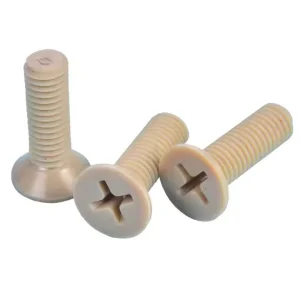
High-performance bioabsorbable and non-absorbable orthopedic fixation components engineered to meet stringent mechanical load-bearing demands.
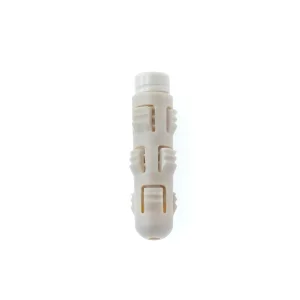
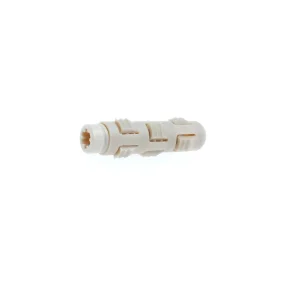
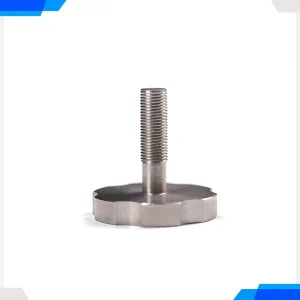
Analysis of the regional sports medicine supply chain, orthopedic manufacturing parameters, and export corridors.
The Philadelphia metropolitan area, historically celebrated as a primary node in the American healthcare and industrial manufacturing sectors, has rapidly expanded its footprint in advanced biotechnology and surgical implant distribution. Driven by academic healthcare systems like Penn Medicine, Jefferson Health, and Temple Health, regional demand for advanced orthopedic solutions has escalated. Crucial to this surge are Interference Screws—the mechanical backbone of ligament reconstructions, including anterior cruciate ligament (ACL) and posterior cruciate ligament (PCL) repairs.
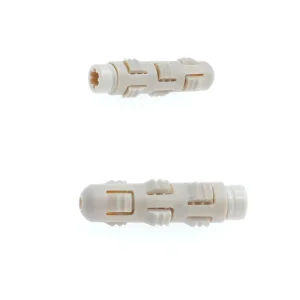
Interference screws serve as critical anchoring mechanisms, compressing graft tissue within bone tunnels to facilitate physiological osseointegration. For regional surgeons and global medical procurement teams operating in or exporting to the Philadelphia corridor, selecting the ideal supplier involves evaluating mechanical yield strength, surface topography, thread pitches, and biocompatibility profiles. From high-grade Polyether ether ketone (PEEK) polymers to bioabsorbable Polylactic acid (PLLA) variants and titanium alloys, local clinical needs dictate an agile, quality-controlled pipeline.
Furthermore, Philadelphia's transport infrastructure, anchored by the Philadelphia International Airport (PHL) and PhilaPort, enables seamless containerized shipping and air cargo routing for precision medical hardware. As compliance with regulatory bodies like the FDA (under 510(k) clearances) and the EU Medical Device Regulation (MDR) becomes increasingly rigorous, local distributors require partners who present verified, untarnished supply chain transparency, from raw material ingot acquisition to final sterile barrier packaging.
Deciphering the requirements of enterprise hospital groups, medical device distributors, and OEM buyers.
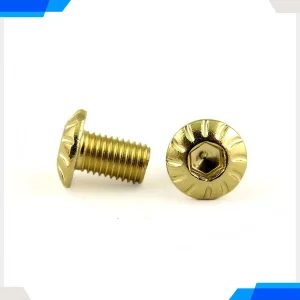
Healthcare purchasing networks require screws with precise pitch dimensions and tapered geometries. The thread profile must provide optimal pull-out strength without compromising graft integrity during insertion. Customizable manufacturing configurations allow surgeons to match device configurations to patient bone mineral density.
Regulatory frameworks govern critical medical applications. Exporters must maintain active ISO 13485 certification, FDA registration, and clean room facilities certified to Class 10,000 (ISO Class 7) standards. Our systematic documentation covers raw material heat treatment lots, tensile test data, and sterilizer runs.
With global transport and logistics encountering dynamic delays, hospital purchasing offices prioritize suppliers capable of localized warehouse staging, custom freight configuration, and expedited custom clearance routes through major Eastern Seaboard entry points.
Sterility Assurance Level (SAL) of 10^-6 must be proven via Gamma irradiation or Ethylene Oxide (EtO) validation data. Raw PEEK polymer or bioabsorbable materials undergo comprehensive validation cycles to prevent physical degradation during sterilization.
Step-by-step visibility into cleanroom fabrication processes from raw material verification to distribution.
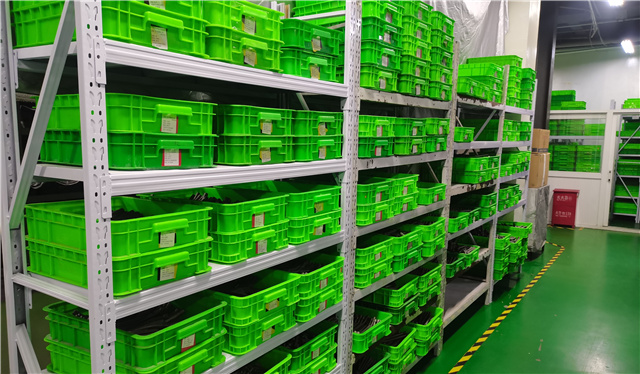
Medical grade PEEK and titanium certified via spectroscopic analysis.
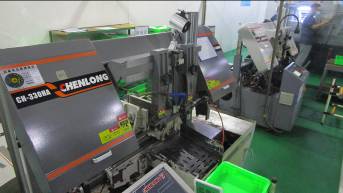
High-speed Swiss precision cutting ensures dimensional tolerances.
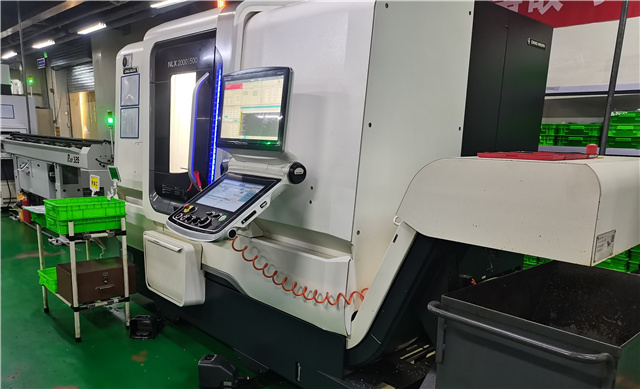
Multi-axis CNC micro-machining of complex cannulated thread profiles.
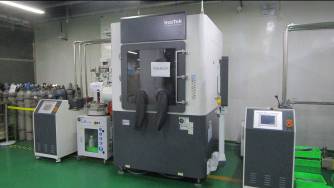
Optional bioactive osteoconductive hydroxyapatite surface treatment.
We are a GMP and ISO certified global orthopedic implants manufacturing company, committed to designing and manufacturing products that are safe, effective, and of high quality, meeting both National and International Standards. With over 18+ years of experience exporting to 75+ countries, every innovation undergoes complete monitoring and seamless documentation from procurement to supply. Our mission is to provide reliable, safe, and affordable orthopedic implants of high geometric accuracy and surface quality, long service life, and biocompatibility, aiming at fast healing success for patients worldwide.
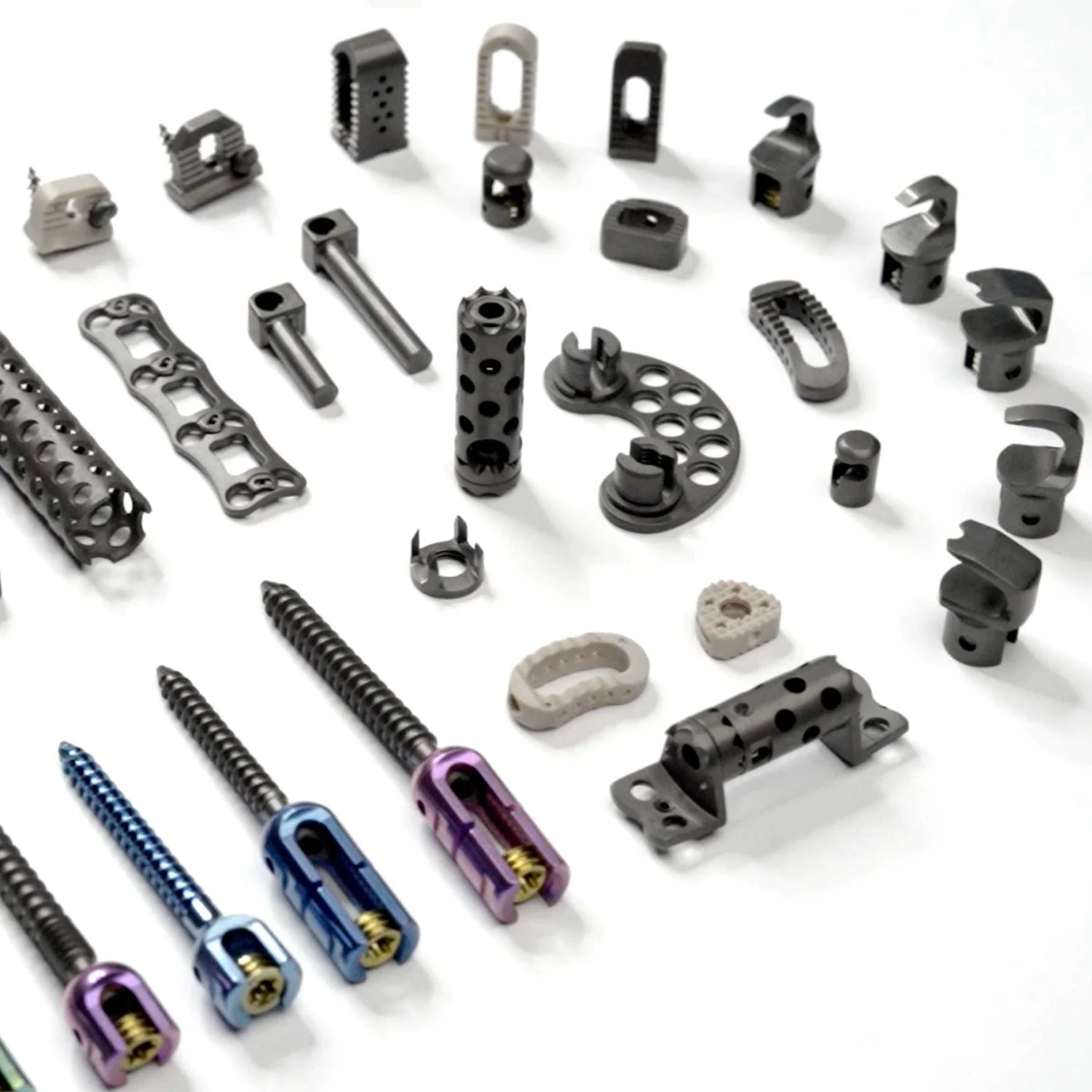
Comprehensive Orthopedic & Spine Implant Systems manufactured under strict ISO 13485 cleanroom regulations.
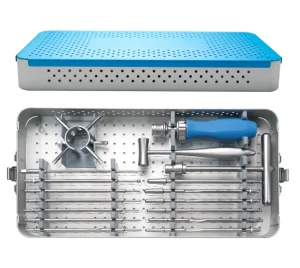
Select from our verified line of surgical fasteners, cannulated components, and non-magnetic instruments.
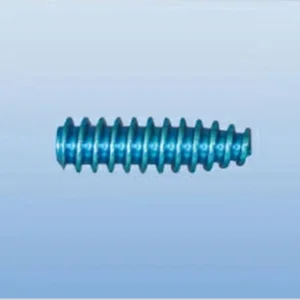
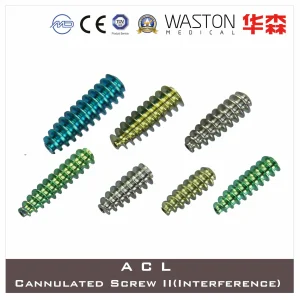
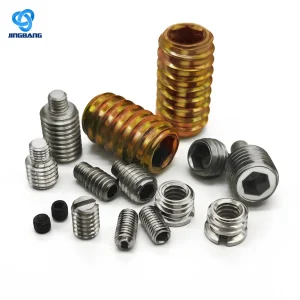
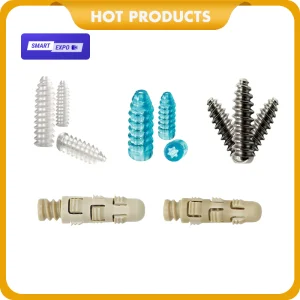
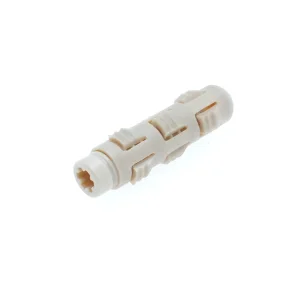
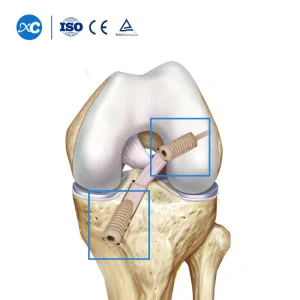
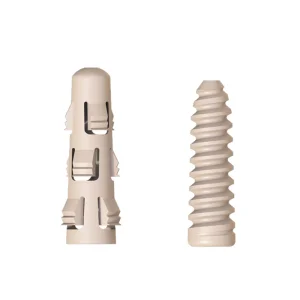
Forward-looking innovations in polymer science, osteogenesis, and surface modification.
The orthopedic community is witnessing a pivotal shift from passive bio-inert materials to active bio-inductive systems. The limitations of historical metal screws—including magnetic resonance imaging (MRI) artifacts, localized bone resorption, and the potential necessity for secondary removal surgeries—prompted the transition to first-generation bioabsorbable polymers like Poly-L-lactic acid (PLLA). While bioabsorbable screws gradually transfer load-bearing stresses to newly formed bone, high degradation rates can occasionally trigger localized inflammatory foreign-body tissue responses.
To mitigate these issues, our technological roadmap focuses on integrating Biocomposite formulations. By blending PLLA with osteoconductive ceramics such as Hydroxyapatite (HA) or Beta-tricalcium phosphate (β-TCP), we create screws that buffer acidic degradation byproducts, maintaining local tissue pH levels and stimulating osteogenesis. For patients in active recovery, these biocomposites promote bone healing while preserving mechanical fixation throughout the graft integration cycle.
For clinical scenarios prioritizing long-term mechanical stability, medical-grade PEEK remains the gold standard. PEEK exhibits modulus characteristics similar to human cortical bone, reducing stress shielding. Its radiolucent profile eliminates scatter during post-operative MRI and CT scanning, allowing surgeons to track tunnel healing without metal artifact interference.
Our production line incorporates micro-roughness modification techniques. Blasting or acid-etching screw surfaces creates a sub-micron topography that facilitates osteoblast adhesion and proliferation. This design promotes rapid osseointegration, reducing graft slippage and accelerating rehabilitation.
Navigating import logistics, FDA compliance, and local inventory controls.
Sourcing medical implants globally for delivery to the Philadelphia market requires strict adherence to regulatory standards. In the United States, orthopedic screws are classified as Class II medical devices, requiring a cleared 510(k) premarket notification prior to commercial distribution. Our quality management systems are designed to simplify compliance processes for regional importers:
Every shipment of interference screws is accompanied by comprehensive Device History Records (DHR), material certificates, biocompatibility studies (per ISO 10993), and sterilization validation documentation. This clean documentation prevents customs holds at US ports of entry.
For medical device brands seeking customized dimensions, thread configurations, or packaging, we offer robust OEM services. Our engineers utilize state-of-the-art CAD/CAM systems to translate customized clinical requirements into production-ready orthopedic products.
Technical and logistical insights for clinical procurement managers and supply chain directors.
 XOVEC Orthopedic Implants