Discover top-tier X-ray systems, medical instruments, and specialized equipment engineered to ISO 13485 and GMP standards.
An authoritative analysis of high-frequency radiographic systems, flat-panel detector advancements, and China's integrated manufacturing ecosystem.
The global demand for high-resolution medical imaging and non-destructive industrial testing has driven rapid architectural evolution in X-ray engineering. Leading Chinese manufacturers now lead the shift from traditional image intensifiers to advanced amorphous Silicon (a-Si) and Indium Gallium Zinc Oxide (IGZO) flat-panel detectors (FPD). Combined with high-frequency generators operating at 50kHz to 100kHz, these systems significantly optimize radiation dose efficiency while maximizing signal-to-noise ratios (SNR). Modern installations deliver ultra-fast acquisition times, providing sub-millimeter spatial resolution vital for critical orthopedic evaluations, thoracic screenings, and micro-crack detection in aerospace alloy structures.
Next-generation X-ray solutions produced in China seamlessly fuse hardware precision with Deep Learning Computer-Aided Diagnosis (CADe/CADx) frameworks. By utilizing real-time image processing algorithms, modern X-ray suites offer dynamic auto-positioning, automated exposure control (AEC), and instant pathological anomaly flagging. In industrial settings, automated X-ray inspection (AXI) engines execute non-destructive 3D computed tomography (CT) scans on printed circuit boards (PCBs) and semiconductor ball grid arrays (BGAs), achieving automated defect identification at microscopic scales without human bottlenecking.
Information Gain Insight: China's X-ray manufacturing sector now controls over 40% of the world's upstream components supply chain, including high-voltage monoblock generators, specialized X-ray tube vacuum inserts, and Cesium Iodide (CsI) scintillator screens. This concentration enables unmatched manufacturing agility, rapid prototype scaling, and cost efficiency for international medical device distributors and industrial turnkey buyers.
Combining 18+ years of global exporting excellence with strict adherence to GMP, ISO, and international safety protocols.
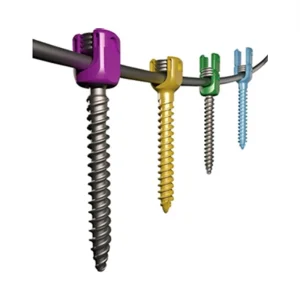
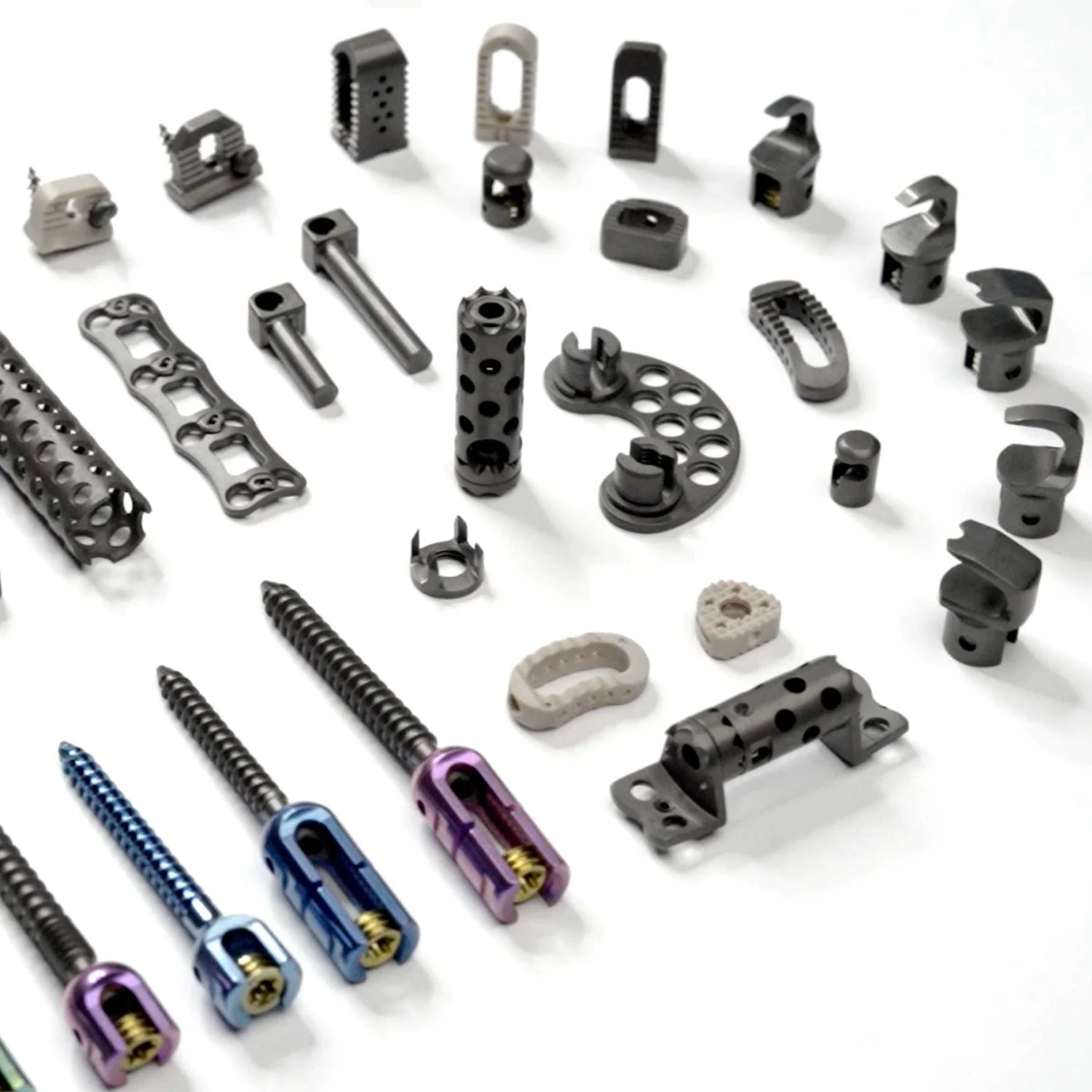
We are GMP and ISO certified global orthopedic implants manufacturing company, who remains committed to designing and manufacturing products that are safe, effective and of a high quality that meets both National and International Standards. We’re a leading orthopedic implants manufacturer and exporter based in India, with over 18+ years of experience exporting to 75+ countries.
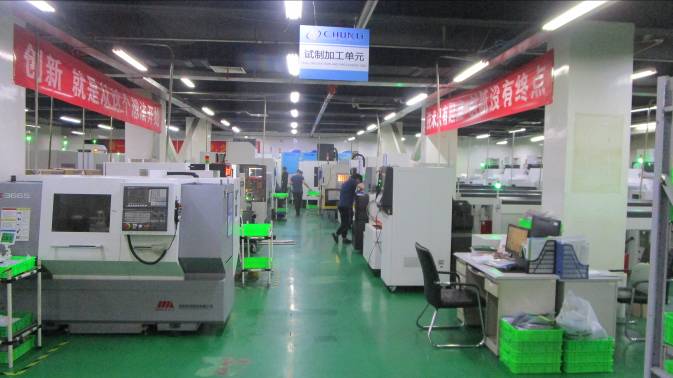
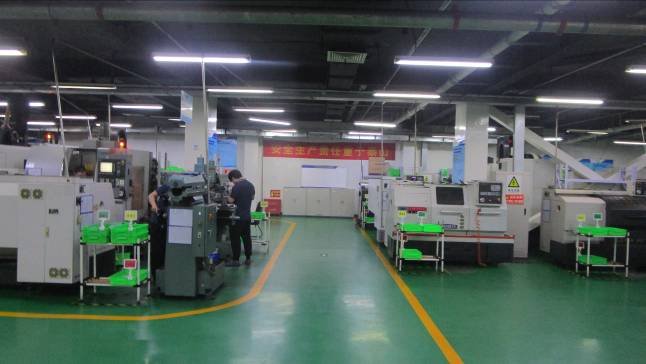
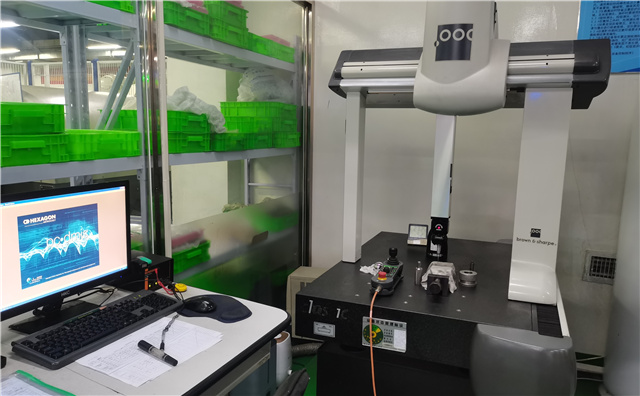
Careful and stringent quality control is our main priority. At Shanghai XOVEC Medical Instrument Co., Ltd. every innovation undergoes complete monitoring and seamless documentation right from its procurement to the supply. Our mission is to provide reliable, safe and affordable Orthopedic implants of high geometric accuracy and surface quality, long service life and biocompatibility, to patients worldwide, aiming a fast healing success.
Certified entity with verified international export compliance.
Optimized production yields directly reducing procurement TCO.
Established supply lines across 75+ global healthcare territories.
Tailored engineering solutions adapted to localized requirements.
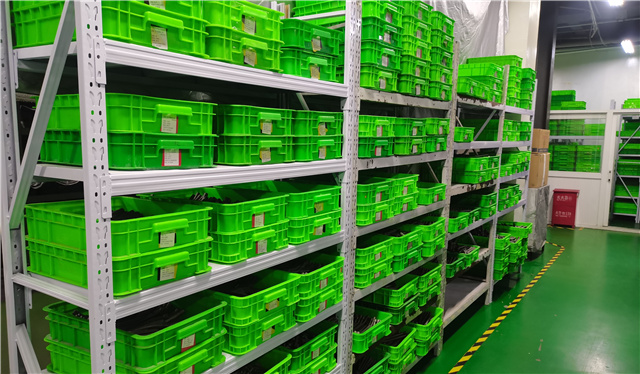
Certified Titanium & Surgical Steel
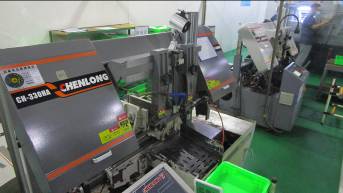
Ultra-Precision Laser Sectioning
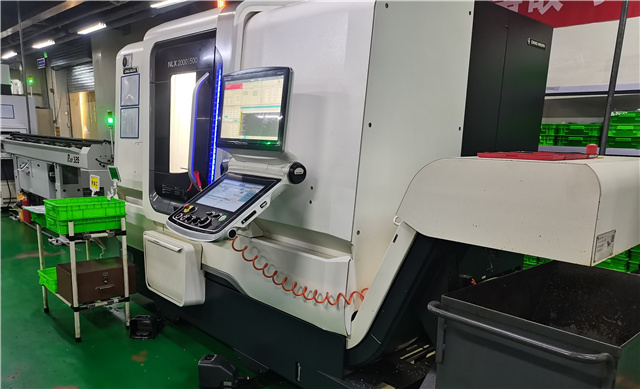
5-Axis CNC Micromachining
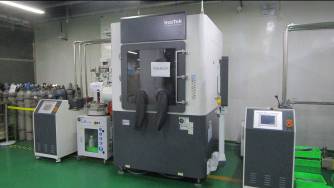
Vacuum PVD & Plasma Titanium Coating
Exploring breakthroughs in carbon nanotube cold cathodes, dynamic digital radiography (DDR), and volumetric CT imaging.
Traditional thermionic X-ray tubes rely on heated tungsten filaments, resulting in latency, high thermal loads, and restricted pulse frequency. Chinese R&D facilities are pioneering field-emission carbon nanotube (CNT) cold cathode tubes. CNT technology allows instantaneous digital pulsing (microsecond response times), drastically cutting unnecessary radiation exposure during fluoroscopy while increasing focal spot precision to less than 0.1mm for micro-structural clarity.
Moving beyond static 2D planar images, dynamic DR captures biomechanical movement in real time under continuous low-dose radiation. DDR systems track diaphragm excursion, lumbar spinal dynamics under weight-bearing loads, and joint articulation. Integrated high-throughput backplane electronics stream up to 30 frames per second (fps) at 4K resolution directly to picture archiving and communication systems (PACS).
Dual-Energy Subtraction technology captures two distinct energy spectra sequentially within milliseconds. Advanced algorithm modeling isolates soft tissue from bone structures, eliminating anatomical overlap. Clinicians can identify calcified pulmonary nodules, vascular wall calcifications, and soft-tissue soft-markers without requiring secondary CT scans, optimizing diagnostic throughput and patient convenience.
Standardization of high-frequency monoblocks, high-efficiency vapor-deposited Cesium Iodide scintillators, and gigabit ethernet communication buses across all mobile and stationary DR systems.
Edge-AI microprocessors embedded directly in the detector casing for instant scatter-radiation rejection, automated exposure adjustment, and real-time lesion highlighting during operative procedures.
Transitioning from energy-integrating detectors to cadmium telluride (CdTe) photon-counting detectors, enabling energy-resolved diagnostic CT with unmatched spatial resolution and zero electronic noise.
Engineered to excel in demanding medical surgical environments, heavy industrial sites, high-throughput security checkpoints, and electronics manufacturing.
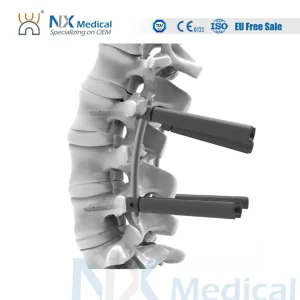
During complex spine pedicle screw fixation, total hip arthroplasty (THA), and trauma reconstructions, mobile 3D C-arm X-ray systems provide real-time intraoperative volumetric imaging. Ultra-compact footprints and motorized fluoroscopic arms allow surgeons to verify titanium screw trajectory, bone cement dispersal, and implant positioning, significantly lowering revision surgical rates.
Non-destructive X-ray inspection systems analyze critical aerospace turbines, high-pressure pipeline welds, and automotive aluminum castings. High-energy micro-focus tubes penetrate dense metal components up to 100mm thickness to detect gas porosity, slag inclusions, micro-fissures, and structural fatigue without compromising structural integrity.
Micro-CT industrial X-ray stations inspected sub-micron semiconductor packages, ball grid array (BGA) voids, wire bonds, and multilayer printed circuit boards. Automated 3D voxel inspection delivers sub-micron resolution, preventing electronic failure in automotive ECUs, 5G base stations, and aerospace avionics.
Why leading global medical equipment brands choose Chinese OEM/ODM manufacturing partnerships.
Manufacturing hubs across Shanghai, Jiangsu, Zhejiang, and Guangdong house fully integrated ecosystems. Everything from raw high-purity rare earth materials (Tungsten, Lead, Beryllium) to precision CNC machining centers, high-voltage transformers, vacuum tube assembly plants, and software development teams operate within tight geographic radii. This spatial proximity drastically reduces component lead times, streamlines raw material logistics, and enables rapid prototyping iterations.
Tier-1 Chinese exporters maintain full alignment with international quality management frameworks, including ISO 13485:2016, GMP, US FDA 510(k), and European Union CE MDR certifications. Rigorous quality assurance protocols mandate multi-stage testing: high-voltage stress testing, thermal shock validation, radiation leakage shielding measurements (IEC 60601-1-3), and environmental stress screening (ESS) to guarantee flawless performance worldwide.
Ensuring seamless registration, fast clearance, and field support in over 75 countries.
Full support for international registration dossiers (STED), technical file preparation, FDA 510(k) clearances, CE Mark certificates under MDR 2017/745, and regional health authority registrations (ANVISA, SFDA, MoH).
Strict compliance with International Atomic Energy Agency (IAEA) and IEC 60601-1-3 safety directives. All equipment features lead-equivalent containment, automated collimation, and leakage radiation under 0.87 mGy/h at 1 meter.
Comprehensive spare parts stocking networks, remote cloud telemetry diagnostics, software updates, and localized engineer training modules ensure 99.5% operational uptime for hospital radiology units and industrial production lines.
Expert answers to key questions regarding X-ray machine selection, manufacturing lead times, and quality control.
High-frequency X-ray generators operate between 30kHz and 100kHz+, compared to legacy line-frequency (50/60Hz) or single-phase systems. This high frequency produces a virtually ripple-free constant potential output voltage. Key benefits include drastically reduced soft-radiation dose to patients, significantly shortened exposure times (preventing motion blur artifacts), and consistent X-ray photon spectrum output for vastly superior image contrast and diagnostic accuracy.
Cesium Iodide (CsI) scintillators utilize needle-like crystalline structures that act as natural fiber-optic light guides. This prevents lateral light scattering, enabling significantly higher Detective Quantum Efficiency (DQE) and spatial resolution at lower radiation doses, making CsI the gold standard for medical DR and fine industrial micro-focus NDT. Gadolinium Oxysulfide (GOS) detectors are more cost-effective and physically rugged, suitable for harsh portable industrial NDT environments where extreme mechanical durability is prioritized.
Importers should verify ISO 13485:2016 for medical device quality management systems and ISO 9001 for general industrial manufacturing. For medical application clearance, CE marking under the EU Medical Device Regulation (MDR 2017/745) or US FDA 510(k) clearance is essential. Hardware must also demonstrate compliance with IEC 60601-1 (electrical safety) and IEC 60601-1-3 (radiation protection) international standards.
Yes. Major factories offer full OEM/ODM customization services. On the hardware side, mechanical mounting interfaces, generator power output stages (20kW to 80kW), tube focal spot sizing, and C-arm dimensions can be customized. On the software side, acquisition systems can integrate custom DICOM 3.0 tags, localized UI languages, specific PACS integration protocols, and proprietary AI neural networks for automated defect or anatomical diagnostic recognition.
Standard catalog DR units and industrial NDT systems typically carry production lead times of 15 to 30 days. Specialized OEM orders or customized high-voltage generators require 45 to 60 days including full factory acceptance testing (FAT). Systems are packaged in shock-isolated, vacuum-sealed wooden shockproof crates with tilt and impact indicators, ensuring safe transport via air freight or ocean container shipping.
High-precision medical implants, industrial components, and specialized equipment engineered for demanding global applications.
 XOVEC Orthopedic Implants