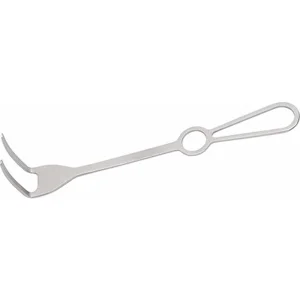
The global medical device landscape is undergoing a massive transformation. The intersection of material science, strict regulatory framework transitions (such as the transition from MDD to EU MDR 2017/745), and the demand for shorter post-operative rehabilitation periods have shifted attention to high-precision surgical fixation and wound closure systems.
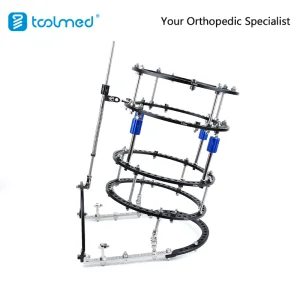
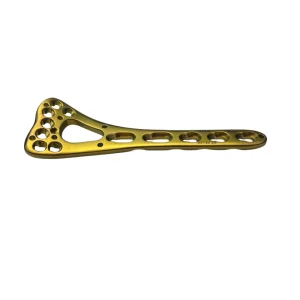
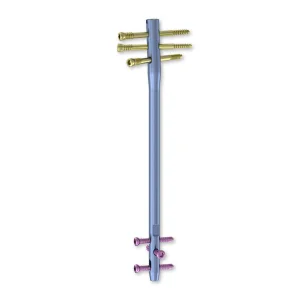
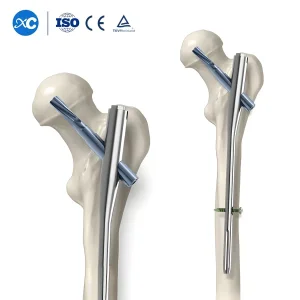
Wound closure devices in the orthopedic context transcend basic suturing. They represent structural stabilization systems—ranging from high-tensile locking compression plates (LCP) and interlocking intramedullary nails to complex external fixators and suture anchor systems. These devices work dynamically to ensure anatomical alignment, control micro-motion at the fracture gap, and facilitate primary bone healing.
According to international medical registries, the global market for orthopedic trauma and wound closure devices is projected to grow significantly, fueled by three main factors:
Successful implant integration depends strictly on the mechanical properties and biocompatibility of the chosen alloy. XOVEC utilizes medical-grade raw materials optimized to perform under cyclic loading conditions without experiencing premature fatigue failure.
Exhibits an elastic modulus closer to human bone, which minimizes the 'stress shielding' effect. Exceptional corrosion resistance and supreme biocompatibility for long-term implantation.
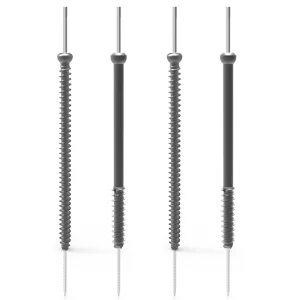
Highly durable alloy featuring high mechanical strength and excellent fatigue limits. Highly favored in temporary trauma implants, pediatric external fixators, and heavy-load structural pins.
Ultra-High Molecular Weight Polyethylene provides unparalleled tensile strength and wear resistance in complex joint repair suture anchor systems.
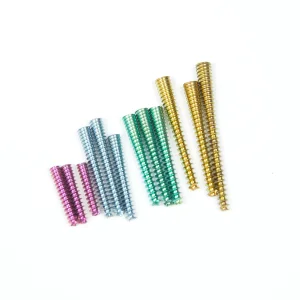
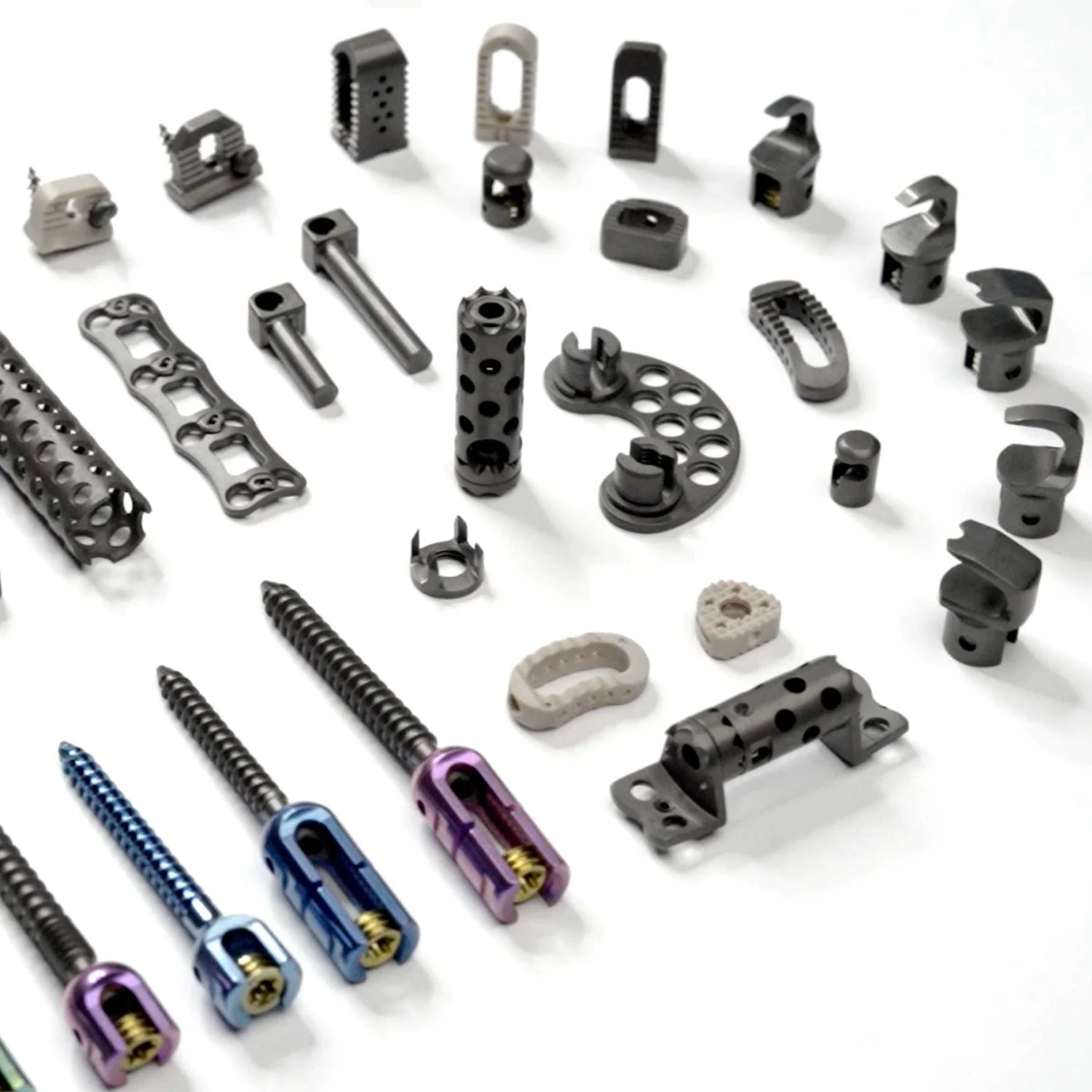
Surface electrochemical oxidation produces protective oxide layers (Blue, Green, Gold) indicating different anatomical fits and interlocking screw sizes.
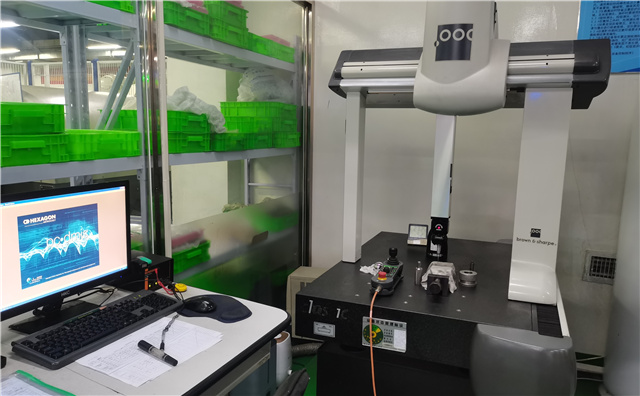
Our orthopedic implants undergo meticulous mechanical verification testing—including static and dynamic fatigue tests (ISO 7206 / ASTM F382 standards), ensuring high tensile limit integrity under realistic in-vivo physiological stresses.
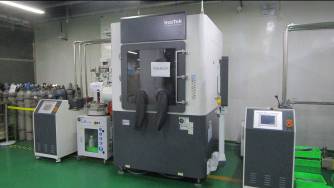
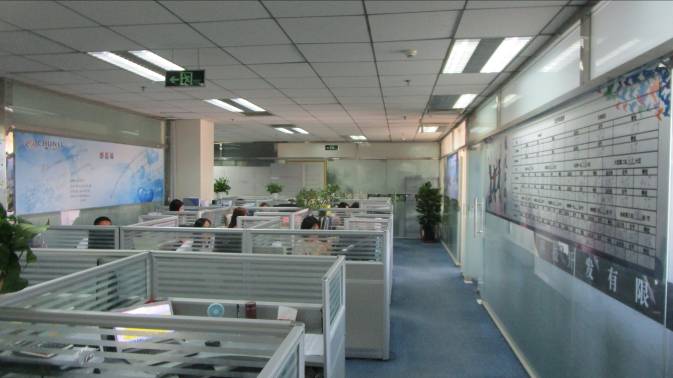
We are a GMP and ISO certified global orthopedic implants manufacturing company, committed to designing and manufacturing products that are safe, effective, and of a high quality that meets both National and International Standards. We’re a leading orthopedic implants manufacturer and exporter based in India, with over 18+ years of experience exporting to 75+ countries.
Officially recognized manufacturing house operating with rigorous global regulatory compliance and international clearing credentials.
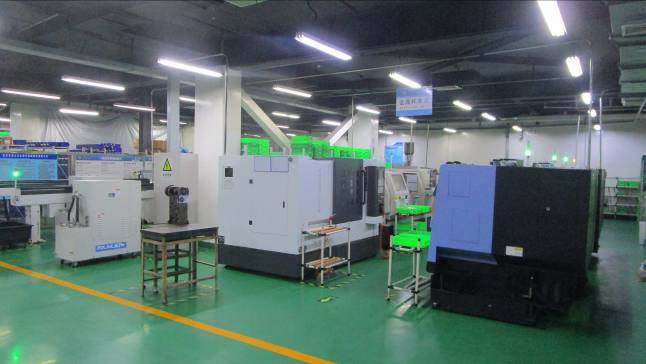
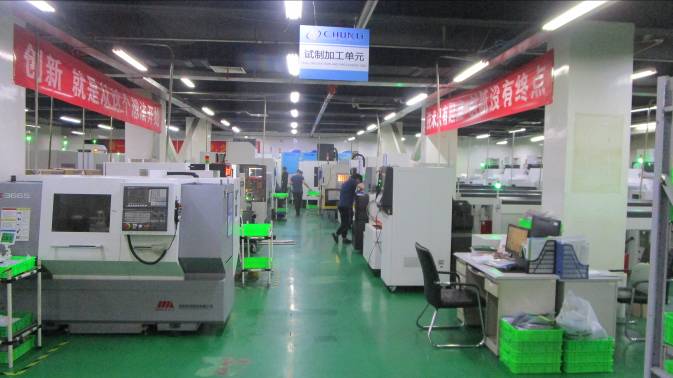
Delivering high-precision German/Swiss-standard CNC machined implants at a highly optimized cost to maximize value for global distributors.
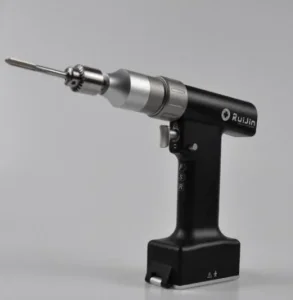
Actively exporting surgical trauma systems, joints, and power tools for over 15 years to more than 75 countries worldwide.
Full CAD/CAM OEM and ODM capabilities to manufacture customized orthopedic designs tailored to specific clinical requirements.
At Shanghai XOVEC Medical Instrument Co., Ltd., every single innovation undergoes complete monitoring and seamless documentation right from its raw procurement to the final sterile supply packaging. Our mission is to provide reliable, safe and affordable Orthopedic implants of high geometric accuracy and surface quality, long service life and biocompatibility, to patients worldwide, aiming for a fast healing success.
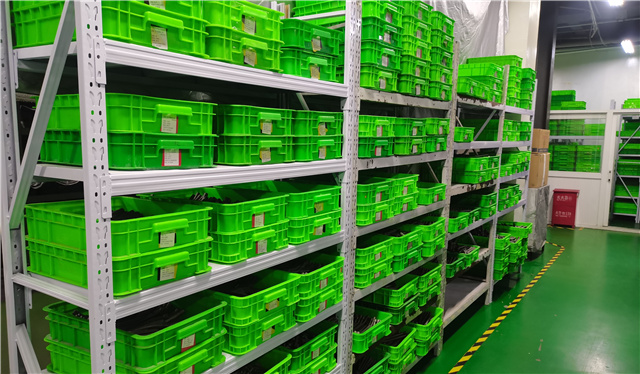
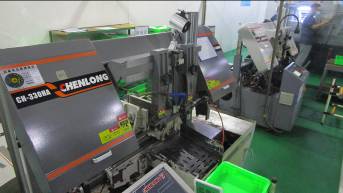
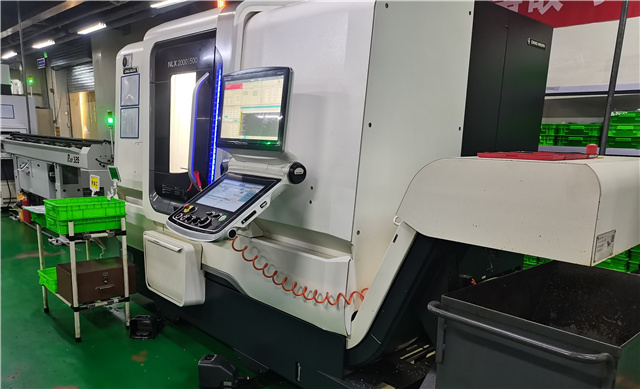
Orthopedic trauma demands surgical versatility. Devices must be custom-tailored to handle specific anatomical stress zones and tissue responses.
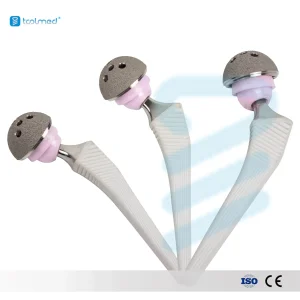
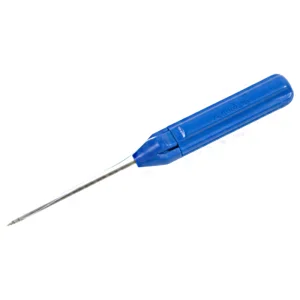
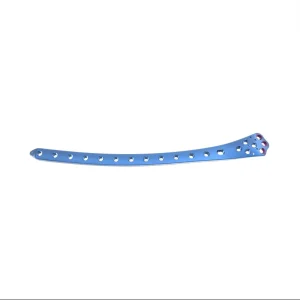
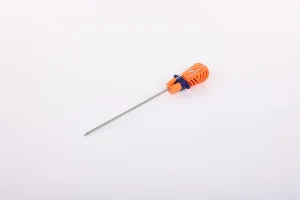
The next frontier in structural wound closure and orthopedic surgery is defined by smart surfaces and biological active materials. XOVEC is investing in research aimed at incorporating bioabsorbable interfaces and antimicrobial surface coatings to mitigate risks of implant-associated infections (such as osteomyelitis).
By developing electrochemical deposition technologies that impregnate titanium porous matrices with silver ions or iodine coatings, we aim to prevent bacterial adhesion and biofilm formation without inducing local cytotoxicity.
We are researching smart polymers and composites that gradually transition the structural mechanical load to the healing bone as osteogenesis progresses, eliminating the clinical need for secondary implant removal surgeries.
 XOVEC Orthopedic Implants