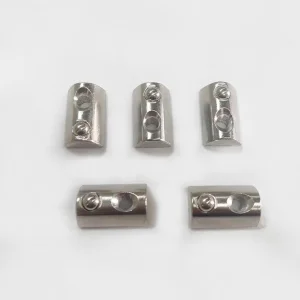
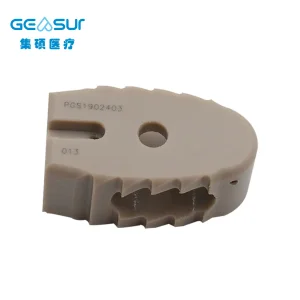
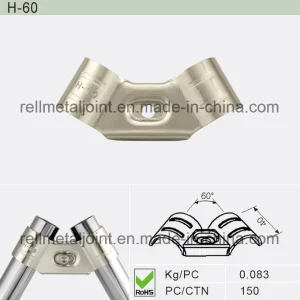
A technical sourcing guide for hospitals, distributors, and turnkey contractors seeking China wholesale operating room furniture, modular OR storage, surgical workflow equipment, and traceable orthopedic support products.
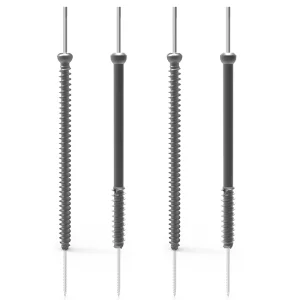
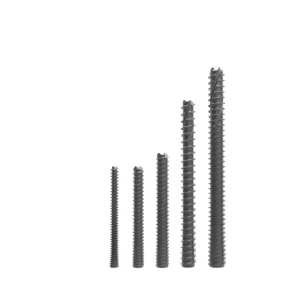
Operating room furniture is usually procured as part of a wider surgical infrastructure package. A tender may begin with stainless steel cabinets and instrument trolleys, yet the same purchase order can include implant storage, external fixation organisation, procedure-specific sets, and maintenance accessories. The eight products below are retained from the source catalogue because they represent high-demand adjacent categories that distributors often evaluate together with OR furniture. Images and product URLs remain unchanged for direct review.
Search demand for China wholesale operating room furniture suppliers is driven by price comparison, but supplier selection depends on manufacturing discipline. The original company statement is retained below because it frames the quality and export baseline that hospital buyers should verify in any OR furniture programme.
We are GMP and ISO certified global orthopedic implants manufacturing company, who remains committed to designing and manufacturing products that are safe, effective and of a high quality that meets both National and International Standards. We’re a leading orthopedic implants manufacturer and exporter based in India, with over 18+ years of experience exporting to 75+ countries.
The statement references two important forms of evidence: a documented quality-system orientation and a long export record. In operating room furniture, those same signals matter because hospital buyers are not only purchasing cabinets or trolleys; they are buying predictable cleaning performance, stable mechanical function, spare-part availability, and documentation that survives tender review. The counters below summarise the retained credential signals and the buyer-relevant interpretation.
Google searchers use “operating room furniture” in different ways. Some want a complete modular OR fit-out; others need stainless steel worktables, scrub sinks, instrument trolleys, case carts, recovery seating, or MRI-safe accessories. A supplier and exporter should be able to map the request to a clear bill of materials, material specification, finish, loading requirement, cleaning method, and destination compliance pathway. The categories below define the semantic scope of the keyword and help procurement teams avoid comparing unlike products.
Stainless steel 304 or 316L cabinets, lockable drawers, adjustable shelves, glove and suture storage, sterile stock rotation, and HPL or powder-coated finishes. Buyers should specify edge sealing, weld finish, shelf load, cleaning chemicals, and whether the cabinet must integrate with a modular wall system.
OR workflow depends on procedure tables, accessory rails, patient-positioning supports, transport carts, and case carts. Evaluate braking systems, castor rating, imaging clearance, weight capacity, surface cleanability, and compatibility with existing surgical equipment before accepting a quotation.
Instrument trolleys require smooth, electro-polished welds, quiet castors, antistatic options, tray compatibility, and easy access to drainage and disinfection points. The product should be designed around the reprocessing workflow, not simply around a low unit price.
Scrub stations should manage splash, drainage, sensor or knee-operated faucets, seam sealing, and cleaning access. The same logic applies to waste cabinets, linen trolleys, and utility furniture located inside or immediately outside the sterile field.
Recovery chairs, IV stands, bedside cabinets, examination furniture, waiting-area seating, and case carts are often purchased with OR furniture to reduce supplier coordination. Confirm upholstery compatibility with hospital disinfectants and the availability of replacement components.
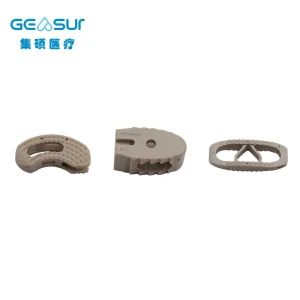
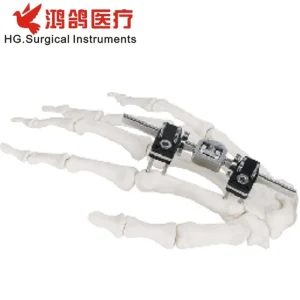
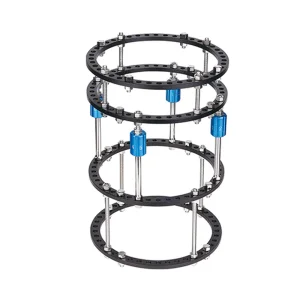
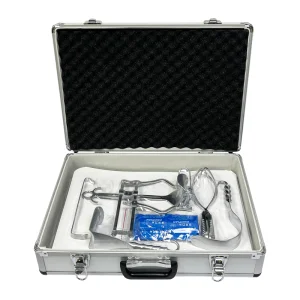
MRI rooms require non-magnetic components, controlled signage, and verified field compatibility. Procedure-specific items such as external fixation storage, PEEK cage handling, and Caesarean or minor abdominal instrument sets may be bundled with storage and trolley systems, but each clinical item must retain its own regulatory documentation.
OR furniture is not a universal SKU. The same cabinet specification can fail in a high-humidity coastal hospital, a low-resource district facility, or a private surgical centre with premium architectural finishes. Localised design is therefore a supply-chain capability, not an afterthought. The scenarios below show how wholesale buyers can translate clinical context into procurement specifications.
High patient throughput and limited maintenance teams favour robust 304 stainless steel, replaceable castors, simple locking hardware, and low-friction cleaning. OR storage can be combined with external fixators, Caesarean instrument sets, and procedure baskets to reduce procurement complexity. Local installation support and fast spare-part replenishment are important.
Premium private hospitals often prioritise architectural finish, concealed fasteners, high-spec drawer runners, heat and humidity resistance, and coordinated delivery with theatre fit-out contractors. Bilingual documentation, DDP terms, and a clear handover package can reduce friction during commissioning.
Compact carts, modular shelving, corrosion resistance, and easy disinfection matter in space-constrained facilities. Mixed-container programmes can combine OR trolleys with surgical support products and maintenance spares. Packaging should tolerate humid transit and multi-stop distribution.
Rugged castors, mechanical simplicity, power-independent accessories, and long service intervals are practical requirements. Suppliers should provide exploded views, spare-part lists, and photographic maintenance guides. Low-MOQ blending of fast-moving items can help distributors serve multiple facilities without overstocking slow-moving SKUs.
European buyers typically expect CE/MDR documentation where applicable, electrical safety evidence for powered equipment, antimicrobial or chemically resistant surfaces, and robotic or imaging-compatible clearances. The supplier should support technical files, declaration-of-conformity coordination, and change control.
Recovery chairs, IV poles, instrument storage, and case carts are often imported alongside OR furniture. Spanish labels, local warranty partners, and documentation aligned with the importer of record improve after-sales performance. Confirm voltage, plug type, and spare-part availability before shipment.
Future OR furniture will be evaluated less as inert steel and more as part of a connected, cleanable, and serviceable clinical workflow. The roadmap below translates procurement decisions into a planning horizon so that buyers can avoid specifications that become obsolete before the hospital handover.
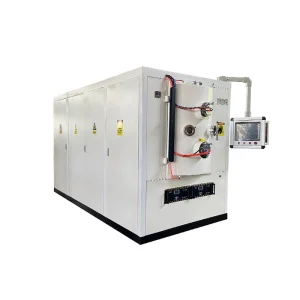
Focus on 304/316L stainless steel, passivation, PVD coating, sealed edges, smooth welds, and replaceable panels. Material passports and cleaning-validation guidance become part of supplier differentiation.
RFID-ready trays, smart cabinets, battery-powered carts, and predictive maintenance enter mainstream procurement. Non-medical electrical accessories must have clear safety and service documentation.
Furniture layouts will be tested in digital twins before installation. Clearances, equipment docking, 5G coverage, and robotic logistics interfaces will be specified alongside cabinet dimensions.
Recycled stainless steel, circular packaging, local KD/SKD assembly, AI-assisted inspection, and remote diagnostics will support lower-carbon hospital infrastructure and more resilient spare-part networks.
China’s advantage in OR furniture is often reduced to unit cost, yet the stronger argument is cluster-based execution. Stainless steel mills, HPL board suppliers, precision hardware, castor assemblies, PVD coating lines, cleanroom packaging, testing laboratories, and export freight infrastructure sit within a mature industrial ecosystem. For buyers, this translates into faster prototyping, more predictable material substitution, and better control of mixed-container programmes.
Access to 304 and 316L stainless steel, aluminium, HPL, medical-grade upholstery, sealed bearings, and hardware options allows a single programme to serve different price bands and clinical requirements.
Laser cutting, bending, welding, polishing, passivation, coating, assembly, and packaging can be coordinated under one quality plan, reducing the risk of undocumented process gaps between suppliers.
Custom drawer layouts, trolley frames, brackets, racking, packaging inserts, and logo applications can be prototyped quickly. Buyers should require dimensional reports and pre-production samples before mass production.
Cost reduction should come from material optimisation, nesting, hardware standardisation, and packaging efficiency, not from hidden reductions in wall thickness, weld quality, or castor load capacity.
Invoice, packing list, certificate of origin, material certificates, inspection reports, and product drawings should align before shipment. This is especially important for hospital tenders and distributor audits.
Mixed-container programmes can combine OR cabinets, trolleys, procedure-specific sets, spare parts, and accessory items. Ask for SKU-level MOQ, replenishment lead time, and packaging compatibility rather than a single headline MOQ.
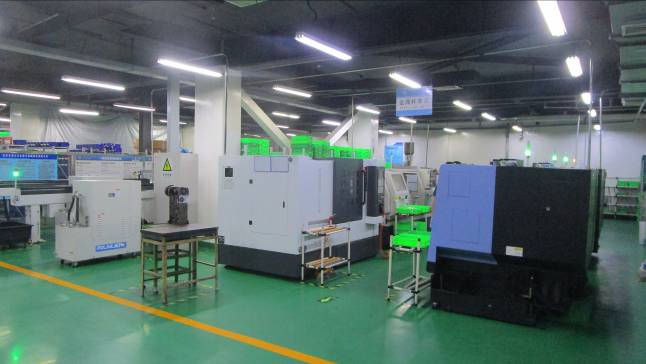
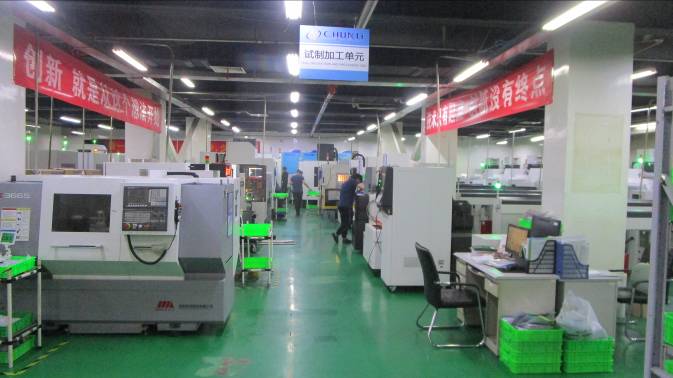
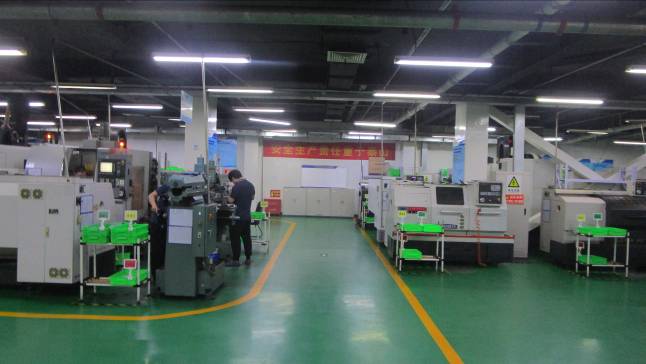
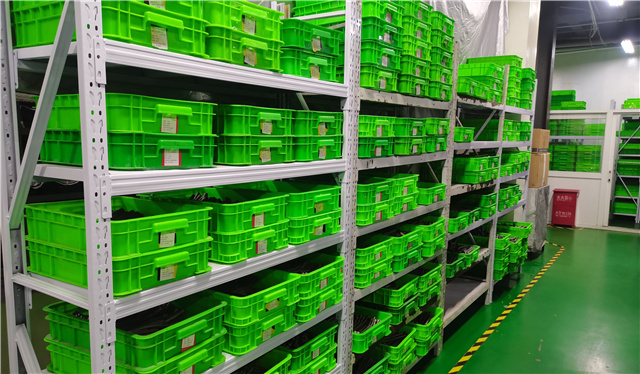
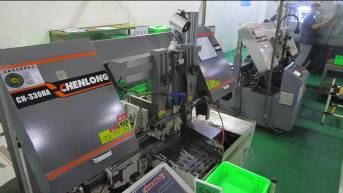
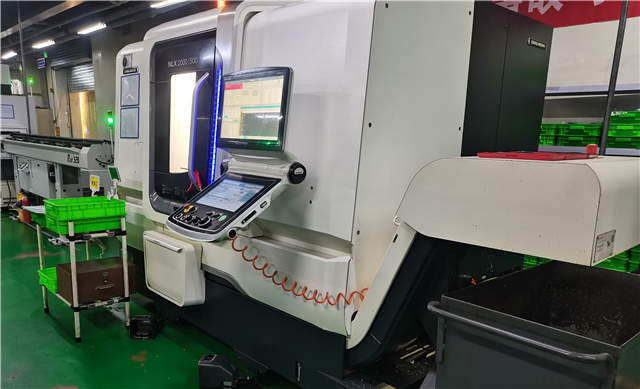
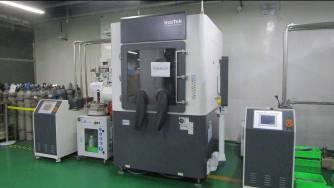
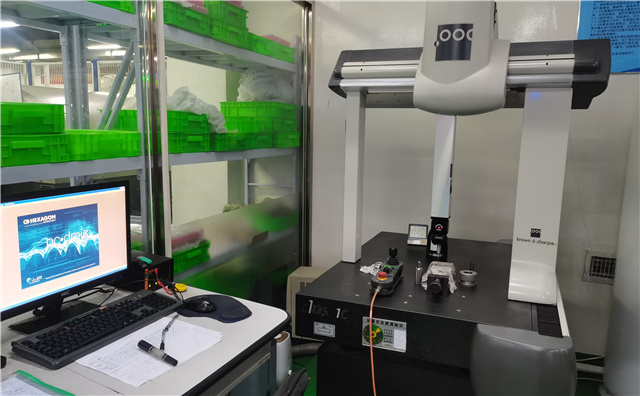
Careful and stringent quality control is the main priority. Raw materials, cutting, machining, spray coating, inspection, and final packing should be visible as a sequence of controlled stages. The original manufacturing images are retained below with their source URLs so buyers can review process evidence before requesting a more detailed audit pack.
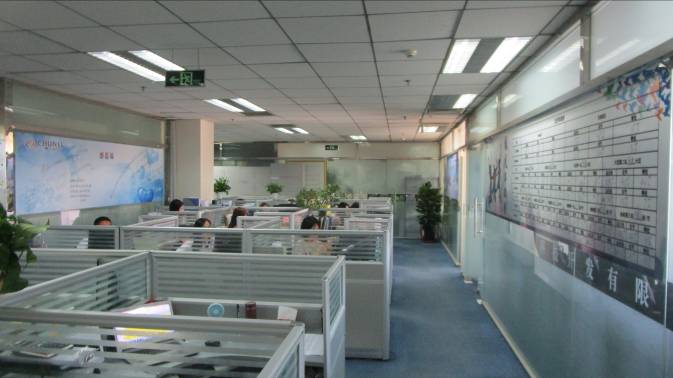
E-E-A-T is not a badge. For medical and hospital sourcing, it is a chain of evidence: a real company, a defined scope, documented materials, repeatable processes, qualified staff, and transparent after-sales. The original quality statement is preserved below, followed by a buyer audit framework that applies specifically to operating room furniture and surgical support products.
Careful and stringent quality control is our main priority. At Shanghai XOVEC Medical Instrument Co., Ltd. every innovation undergoes complete monitoring and seamless documentation right from its procurement to the supply. Our mission is to provide reliable, safe and affordable Orthopedic implants of high geometric accuracy and surface quality, long service life and biocompatibility, to patients worldwide, aiming a fast healing success.
Experience. The source statement records over 18+ years of exporting to 75+ countries. For OR furniture buyers, this should be translated into destination-specific references, knowledge of packaging and freight constraints, and evidence that spare parts can be supported after the tender is complete.
Expertise. Geometric accuracy, surface quality, long service life, and biocompatibility are relevant beyond implants. They also inform how stainless steel furniture should be welded, passivated, inspected, and packed to resist hospital cleaning chemicals and repeated handling.
Authority. GMP and ISO claims should be verified through current certificates, scope statements, issuing bodies, and audit evidence. Buyers should check whether the certificate covers the actual manufacturing site and product category, rather than accepting a logos-only claim.
Trust. Request batch traceability, material certificates, inspection records, packaging validation, change-control procedures, and a clear after-sales escalation path. Compliance is destination-specific; confirm requirements with your importer of record and regulatory consultant before purchase.
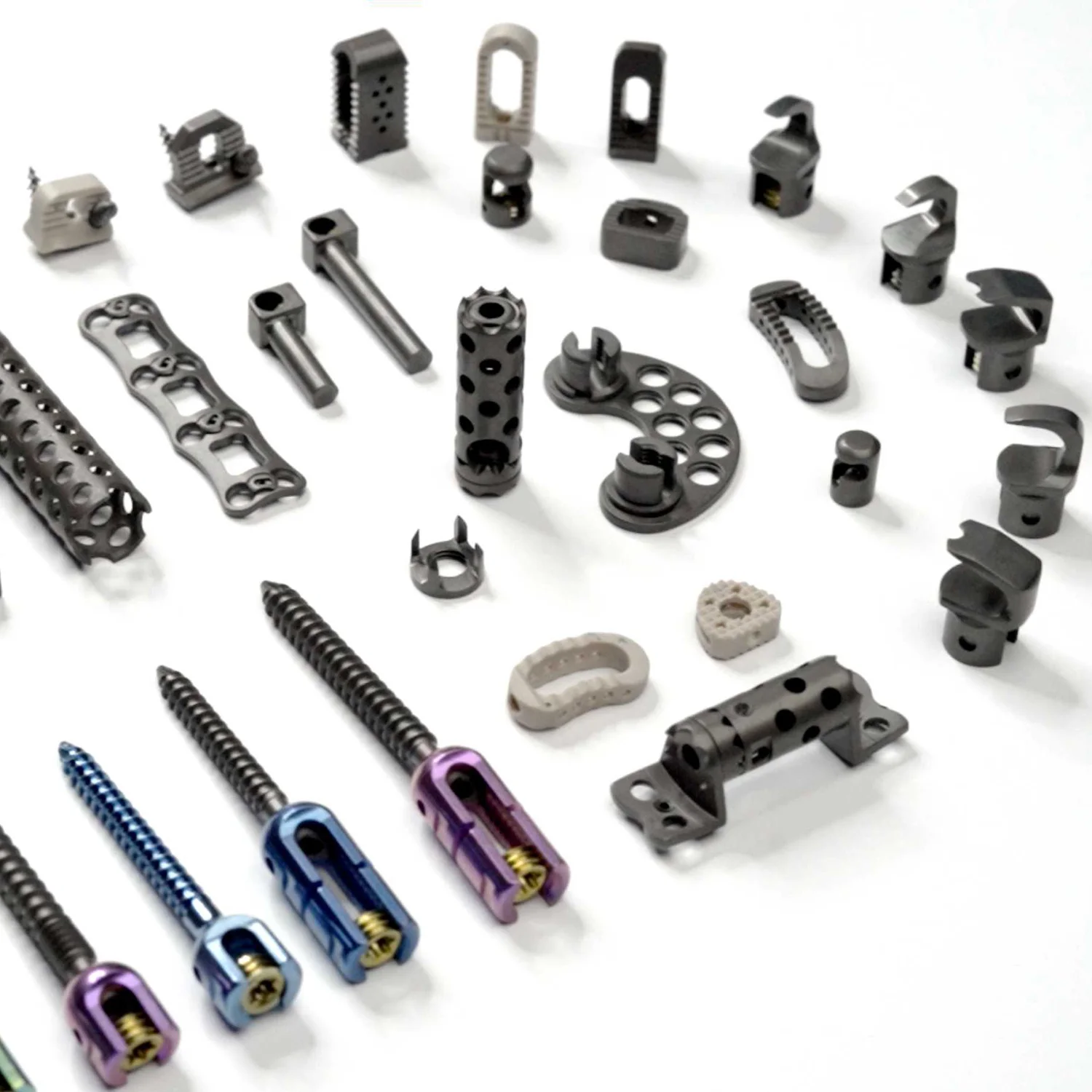
Operating room furniture demand is being reshaped by hospital construction cycles, surgical volume growth, infection prevention, and the need to make existing theatres more flexible. The global commercial status varies by region, but the direction is consistent: hospitals want suppliers who can combine furniture, surgical consumables, documentation, and after-sales into a manageable programme.
Health systems are expanding surgical capacity and replacing ageing theatre furniture. Buyers increasingly prefer modular inventory that can be reconfigured as procedure mix changes, rather than one-off custom furniture that is difficult to replicate.
Infection control, cleanability, and separation of dirty and clean workflows remain high priorities. Furniture that traps debris, complicates disinfection, or blocks maintenance access is being eliminated from tender specifications.
Stainless steel, HPL, sealed edges, and smooth hardware are compared not only by cost but by chemical compatibility, scratch resistance, and repairability. Suppliers should provide cleaning guidance and material data.
Distributors are reducing single-source risk by qualifying multiple product families, requesting mixed containers, and retaining spare parts. A China-based exporter with process depth can support this model better than a trading intermediary without factory visibility.
Public tenders may require specific standards, documentation, labels, or local assembly. Suppliers should be able to support KD/SKD packing, local partner handover, and country-specific document preparation.
Hospitals and distributors are consolidating purchases across OR furniture, surgical instruments, implant support, storage accessories, and maintenance items. The product categories on this page reflect that integrated sourcing behaviour.
Commercial structures matter as much as specifications. Common models include FOB, CIF, DDP, OEM/ODM private label, mixed-container programmes, KD/SKD local assembly, vendor-managed inventory, and multi-year spare-part agreements. A credible China supplier and exporter should state which Incoterm it can support, who handles installation, how warranty claims are evidenced, and what happens when a component is discontinued. Buyers should also separate marketing language from tender language: “hospital grade” is not a specification unless it is supported by material grade, load test, finish standard, cleaning compatibility, and inspection criteria.
Localised support and compliance assurance are where many low-cost quotations fail. A supplier and exporter should be able to produce a destination-specific document pack, support the importer of record, and keep spare parts available after the project handover. The six workstreams below should be written into the purchase agreement, not left as verbal promises.
Material certificates, test reports, drawings, cleaning instructions, packaging specifications, declarations, and certificate scope. For electrical components, confirm the applicable safety pathway and destination voltage.
English is the minimum for international tenders, but Spanish, French, Arabic, or local-language labels may be required. Agree on label content, IFU format, packing marks, and translation responsibility before production.
Modular cabinets, wall systems, scrub stations, and powered equipment may require site measurement and commissioning. Confirm who handles installation, what tooling is needed, and how snagging is documented.
Provide cleaning training, user guides, maintenance schedules, exploded views, and spare-part lists. Remote video support can reduce downtime where local service partners are not available.
Castors, drawer runners, locks, seals, faucet components, and electronic accessories should have a defined replacement path. Warranty terms should state coverage, exclusions, evidence requirements, and response times.
Hospital tenders often require sample packaging, barcoded labels, pallet dimensions, and loading plans. Early agreement on packaging prevents costly rework and helps distributors forecast container utilisation.
The original “Why XOVEC?” credentials are retained and expanded below. They should be read together with the quality statement, export record, and custom-manufacturing capability described on this page.
A Government Recognized Company credential supports bid readiness and helps buyers verify the legal and administrative status of the supplier. For tenders, ask for the current certificate, scope, and issuing authority.
High Quality Products with Competitive Pricing is a balance, not a claim. Evaluate material grade, wall thickness, welding finish, castor rating, hardware brand, packaging, and inspection cost alongside unit price.
Exporting Since 15 Years is a retained credential supported by the source statement of over 18+ years of experience exporting to 75+ countries. Confirm destination experience and references relevant to your product category.
On Demand Customized Manufacturing covers dimensions, drawer configurations, logo, packaging, mixed SKUs, and procedure-specific kits. Provide drawings, loading requirements, cleaning chemicals, and destination standards before sampling.
The questions below address the commercial, technical, and compliance issues most often raised by hospital buyers, distributors, and tender consultants.
Yes, integrated sourcing is possible, but the scope must be separated clearly. OR furniture, surgical instruments, and orthopedic implants may have different regulatory classifications, documentation requirements, and manufacturing sites. A supplier can coordinate the programme, while each product family retains its own technical file, inspection records, and destination compliance review. Confirm the manufacturing origin of every SKU and avoid assuming that one certificate covers all product categories.
MOQ depends on material, finish, hardware, packaging, and colour. A custom HPL or stainless steel cabinet with special dimensions may require a higher MOQ than a standard trolley. Ask for a SKU-level MOQ matrix, tooling cost, sample cost, and mixed-container rules. For distributors serving multiple hospitals, a blended order can combine fast-moving items with project-specific SKUs.
Standard items may be shipped in a few weeks after order confirmation, while custom projects commonly require sample approval, material procurement, production, inspection, and packing. Indicative ranges should be tied to the bill of materials, not treated as a guarantee. Add buffer for pre-shipment inspection, destination customs, and installation scheduling. A supplier that provides a milestone plan is easier to manage than one that quotes only a single lead-time number.
304 stainless steel is common for general hospital furniture; 316L offers better corrosion resistance in demanding environments or where aggressive cleaning chemicals are used. Powder-coated steel can be cost-effective but requires careful inspection of edge coverage and impact resistance. The correct choice depends on cleaning protocol, humidity, chemical exposure, load, and budget. Specify grade, thickness, finish, and passivation requirements in the purchase order.
Request the current certificate, scope, issue and expiry dates, issuing body, and manufacturing site address. Verify the certificate with the issuing body where possible. Review the audit scope to confirm that it covers the relevant product category. Certificates are evidence for a quality-system review, not a substitute for product-specific testing, factory audit, or pre-shipment inspection.
Yes, a project-ready supplier should provide drawings, dimensions, material specifications, load ratings, finish descriptions, cleaning guidance, packaging data, spare-part lists, and inspection reports. For tenders, ask for editable files, authorised signatures, and document control. Clarify who is responsible for destination registration, customs clearance, and local conformity requirements.
Common terms include FOB, CIF, and DDP, depending on the supplier’s capabilities and the buyer’s import experience. LCL and FCL shipments are both possible. Knock-down or flat-pack packing can improve container utilisation but must be matched to installation capability. Confirm pallet dimensions, stacking limits, moisture protection, and barcode labels before production.
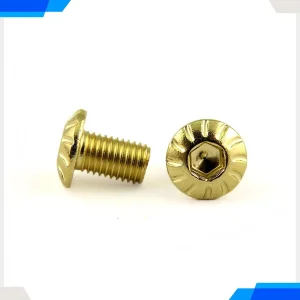
MRI compatibility is not a generic label. Non-magnetic 316L stainless steel standoff screws and other components may reduce interference, but the complete assembly must be assessed against the MRI field strength, equipment vendor requirements, and site safety procedures. Request material declarations and test evidence. Do not assume that a stainless steel item is safe simply because it is described as non-magnetic.
Warranty length varies by product and component. Castors, drawer runners, locks, seals, and powered accessories may have different coverage from the main structure. A strong after-sales package includes a spare-parts list, response-time expectations, photographic fault reporting, and a local service partner where possible. For remote projects, retain a recommended spare-parts kit at handover.
Use dual sourcing for critical SKUs, approve pre-production samples, verify material certificates, book pre-shipment inspection, and agree on change-control rules. Avoid last-minute specification changes, confirm packaging before production, and retain a spare-parts reserve. For tender projects, sequence delivery against installation milestones and keep a small buffer of consumable or high-wear components.
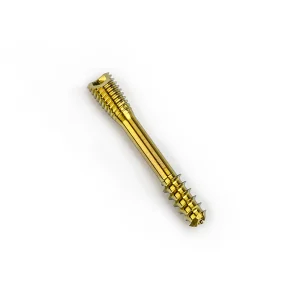
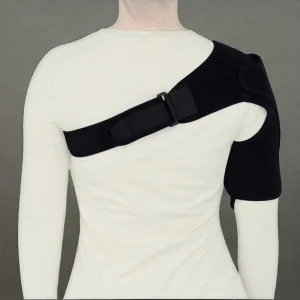
These remaining source products are retained with their original images and links. They are relevant to hospital procurement because operating room furniture projects often include instrument organisation, implant storage, external fixation support, coating equipment, MRI-safe components, and backroom racking. Review the specification and regulatory documents against the intended clinical use before combining them with an OR furniture tender.
 XOVEC Orthopedic Implants