In the rapidly evolving landscape of spinal surgery, the design and manufacture of Interbody Fusion Cages represent the pinnacle of orthopaedic engineering. As global demand for spinal stability solutions rises—driven by an aging population and increased diagnostic precision—the need for trusted, GMP-certified, and technologically advanced manufacturers has never been more critical.
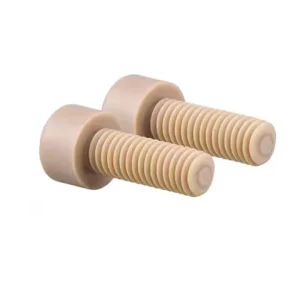
Spinal implants require absolute biocompatibility, geometric precision, and fatigue resistance. Whether utilizing PEEK (Polyetheretherketone) or Titanium alloy, the manufacturing process must adhere to stringent ISO 13485 standards. Our facilities integrate advanced CNC machining with rigorous surface finishing techniques, ensuring each implant promotes optimal osseointegration.
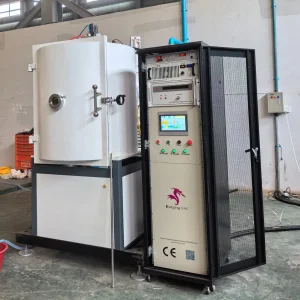
China has transformed into a global hub for medical device innovation. By combining high-volume production capabilities with specialized research and development, manufacturers here provide cost-effective, high-quality alternatives to traditional European or US-based suppliers. The competitive advantage lies in the full-cycle manufacturing chain—from raw material sourcing to advanced spray coating and sterile packaging.
At Shanghai XOVEC Medical Instrument Co., Ltd., we define ourselves through quality. Our 18+ years of experience exporting to over 75 countries is not just a metric; it is a testament to our reliability. We are more than a manufacturer; we are a partner in patient recovery.
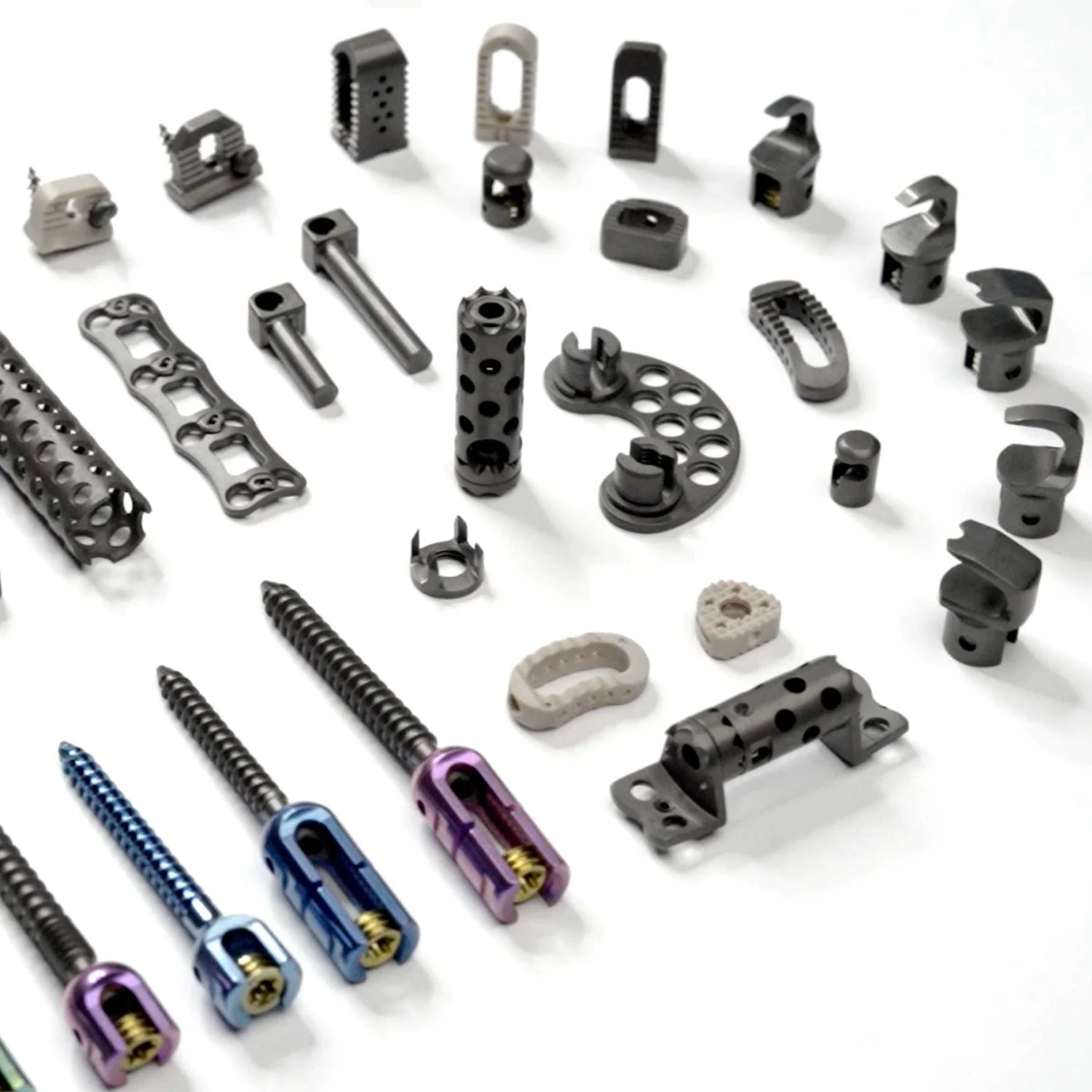
Our Quality Pillars:
The shift toward 3D-printed porous titanium cages allows for better bone ingrowth, reducing the incidence of implant migration compared to traditional solid cages.
We provide full-lifecycle documentation, ensuring that every screw, plate, and cage is traceable, aiding surgeons in patient tracking and long-term care compliance.
Navigating geopolitical complexities requires a robust, agile supply chain. Our logistics expertise ensures timely delivery to global healthcare systems, mitigating stock shortages.
Q: What materials are best for interbody fusion cages?
A: PEEK is preferred for its radiolucency, allowing surgeons to monitor fusion on X-rays. Titanium, especially 3D-printed porous structures, is preferred for superior osseointegration capabilities.
Q: How do you ensure the quality of orthopedic implants?
A: We utilize strict internal QC protocols, spectral analysis of raw materials, and precision dimensional verification, backed by GMP and ISO 13485 certifications.
Q: Can you handle custom OEM manufacturing?
A: Yes, XOVEC specializes in bespoke manufacturing. Whether you require specific sizes, custom geometries, or unique coatings, our engineering team collaborates directly with your surgical design specs.
 XOVEC Orthopedic Implants