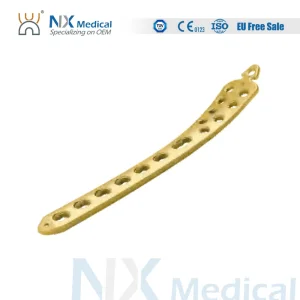
The global orthopedic market is witnessing an unprecedented surge in demand for Proximal Femur Locking Plates (PFLP). As the global population ages—a phenomenon often referred to as the "Silver Tsunami"—the incidence of hip fractures and proximal femur injuries is rising significantly. These fractures, often occurring in osteoporotic bone, require fixation systems that provide superior stability and early mobilization.
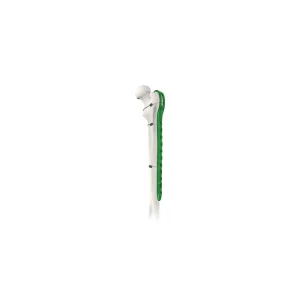
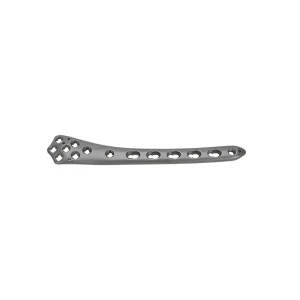
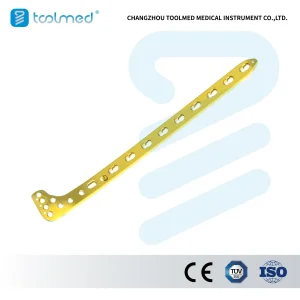
Proximal femur locking plates represent a milestone in bio-mechanical engineering. Unlike traditional non-locking systems, PFLPs create a fixed-angle construct that is crucial for maintaining reduction in unstable trochanteric and subtrochanteric fractures. As a premier China Proximal Femur Locking Plates Factory, we understand that global medical practitioners demand more than just hardware; they demand reliability, anatomical precision, and biocompatibility.
The industry is moving toward multi-axial locking systems that allow surgeons to customize screw angles within a specific range, providing flexibility in complex fracture patterns where standard screw placement is blocked by fragments or other implants.
While Grade 5 Titanium (Ti-6Al-4V) remains the gold standard for its strength-to-weight ratio and MRI compatibility, we are exploring surface treatments like anodic oxidation to enhance osteointegration and reduce bacterial adhesion.
Our R&D department utilizes AI and massive CT scan databases to optimize the anatomical fit of our plates. This reduces the need for intraoperative plate bending, preserving the integrity of the locking holes and shortening surgical time.
Newer plate designs focus on percutaneous insertion techniques. Our low-profile plates with tapered ends are designed to glide through soft tissue sub-muscularly, minimizing surgical trauma and blood loss.
Purchasing managers from hospitals in Europe, distributors in Southeast Asia, and medical equipment importers in South America have diverse requirements. However, three pillars remain constant: Regulatory Compliance, Supply Chain Stability, and Cost-Effectiveness.
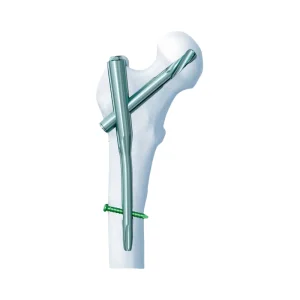
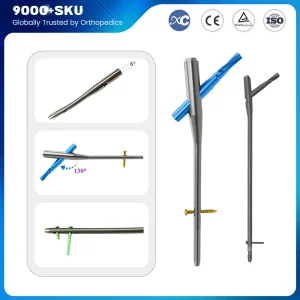
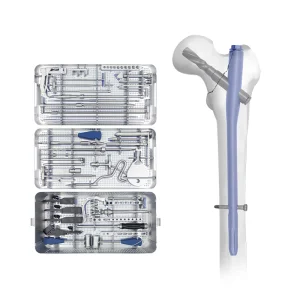
In regions with high trauma rates due to road accidents, such as parts of Africa and Latin America, the need for robust, high-strength titanium plates like our PFNA Interlocking Nails is paramount. Conversely, in aging European populations, the focus shifts toward "locking compression" systems that provide stability in osteoporotic bone where screw pull-out is a significant risk.
As a leading China Proximal Femur Locking Plates Factory, we provide localized support including translated surgical manuals, instrument training videos, and customized manufacturing (OEM/ODM) to meet the specific anatomical variations found in different ethnic populations.
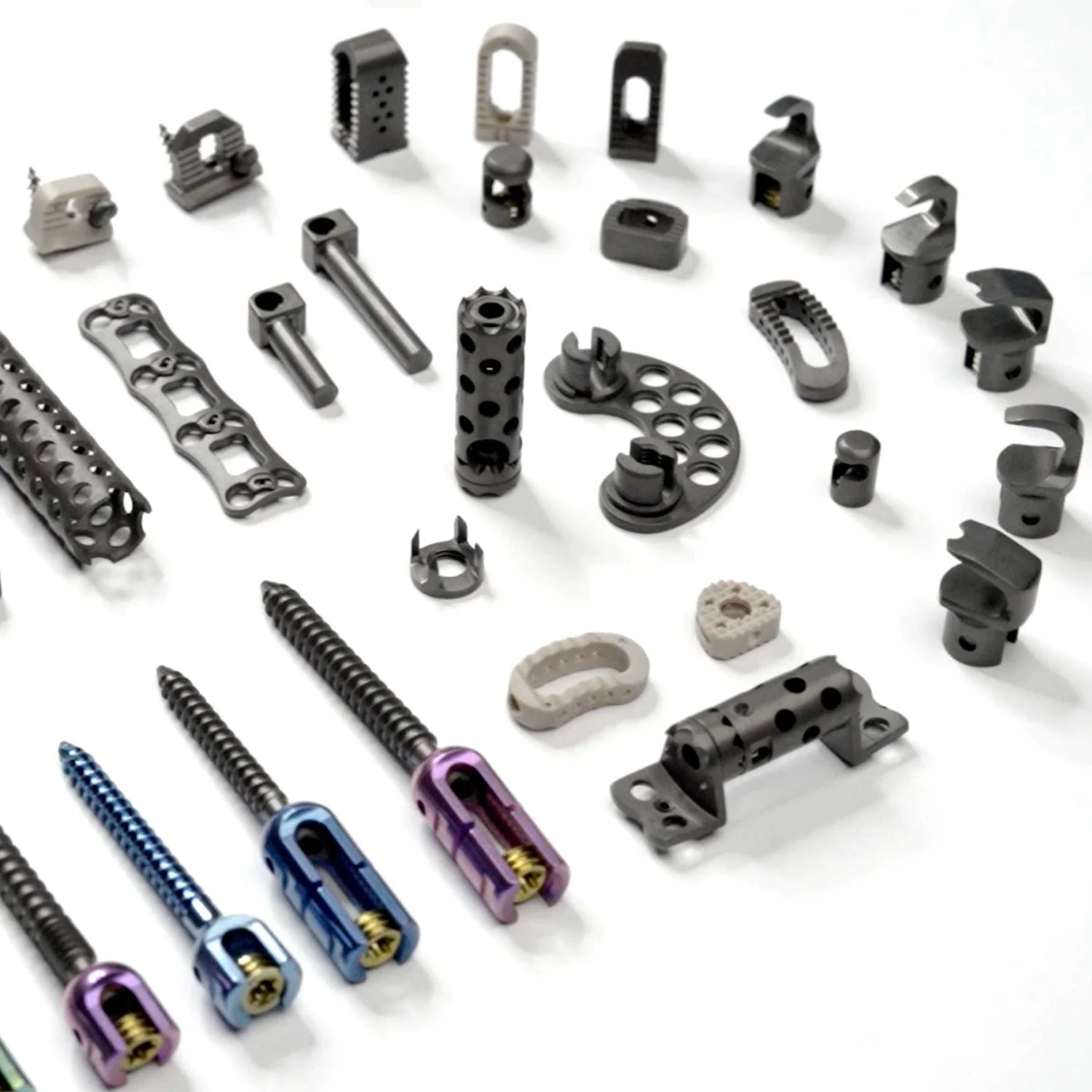
We are a GMP and ISO certified global orthopedic implants manufacturing company, committed to designing and manufacturing products that are safe, effective, and of a high quality that meets both National and International Standards. We’re a leading orthopedic implants manufacturer and exporter with over 18+ years of experience exporting to 75+ countries.
Careful and stringent quality control is our main priority. At Shanghai XOVEC Medical Instrument Co., Ltd., every innovation undergoes complete monitoring and seamless documentation right from its procurement to the supply. Our mission is to provide reliable, safe, and affordable Orthopedic implants of high geometric accuracy and surface quality, long service life, and biocompatibility, to patients worldwide, aiming for a fast healing success.




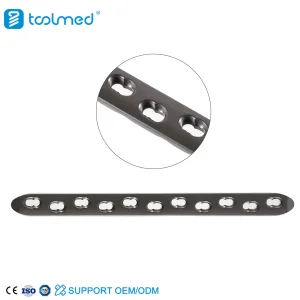
When selecting a Proximal Femur Locking Plate Factory, technical specifications are vital. Our plates feature a combination of locking and compression holes, known as the "Combi-hole" system. This allows for:
Our manufacturing process involves 5-axis CNC milling, ensuring that the locking threads are precise to the micron. This precision prevents "cold welding" of the screw to the plate while ensuring the locking mechanism never fails under physiological loads.
 XOVEC Orthopedic Implants