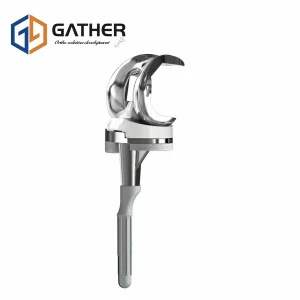
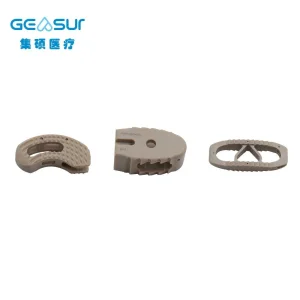
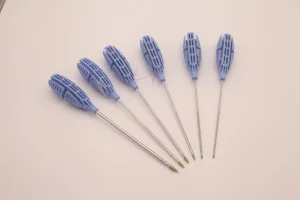
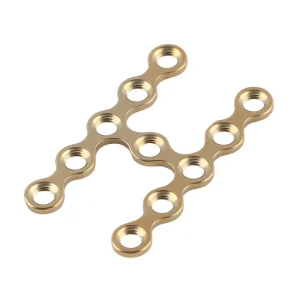
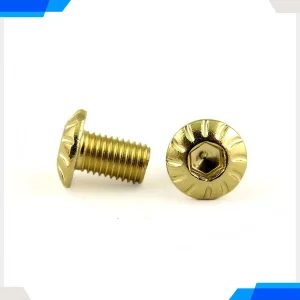
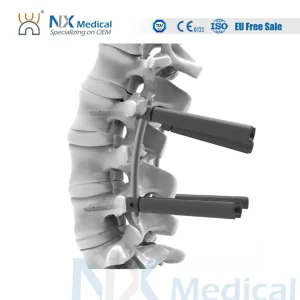
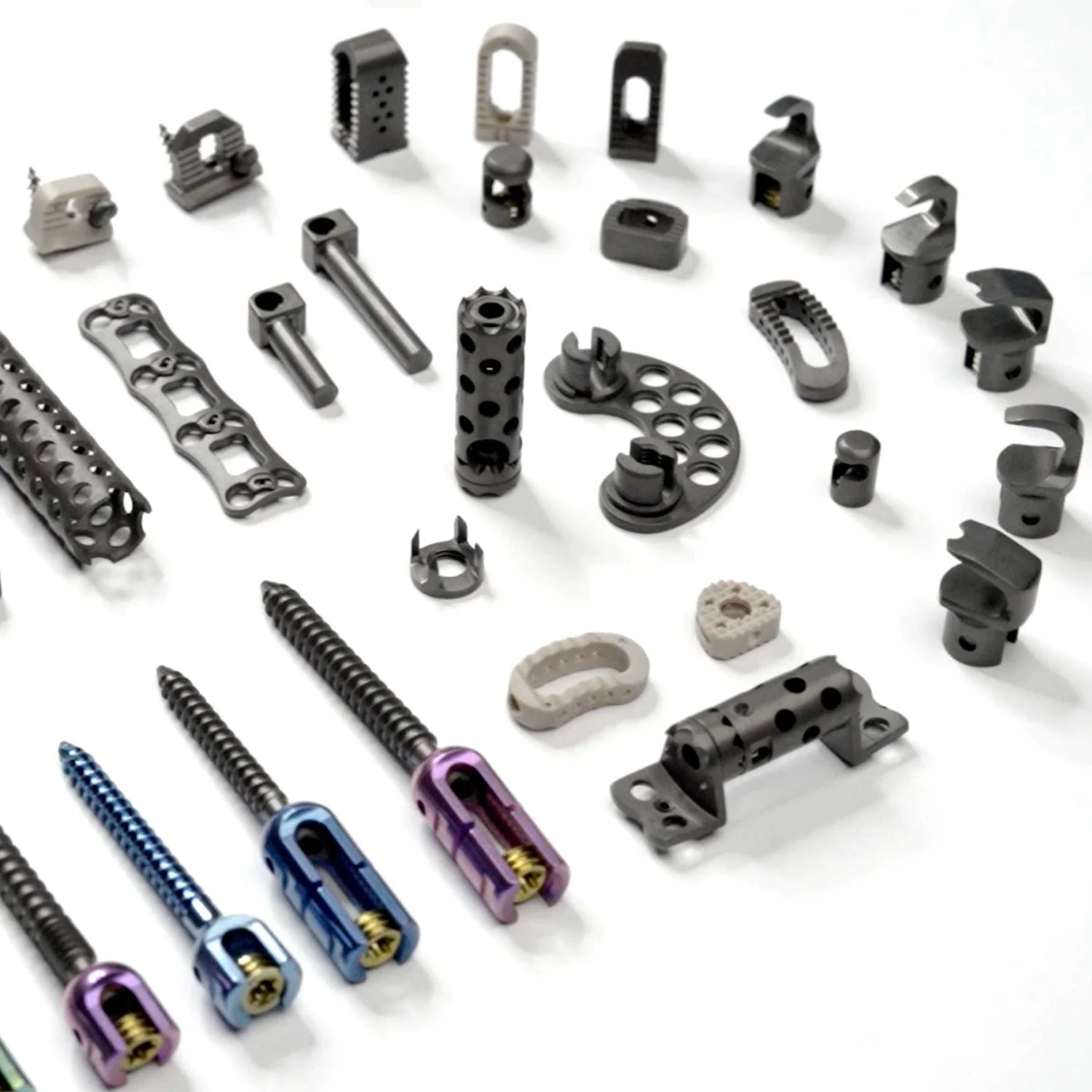
Explore our state-of-the-art catalog, spanning from orthopedic implants to clinical surgical instruments and engineered metal fittings.
The global orthopedics and dental restoration sectors are undergoing a structural transition. Traditionally dependent on autografts and allografts, modern clinical environments are shifting rapidly toward advanced synthetic bone scaffold technologies.
This paradigm shift is driven by the need to eliminate donor-site morbidity, mitigate the risk of disease transmission, and overcome supply limitations. Modern bone graft materials must exhibit exceptional biocompatibility, osteoconduction, and controlled biodegradation profiles to support new bone formation.
As a premier CE-certified bone grafts manufacturer, we focus on engineering bioceramics—particularly biphasic calcium phosphate (BCP), hydroxyapatite (HA), and beta-tricalcium phosphate (β-TCP). These materials mimic the mineral phase of natural bone, creating a microenvironment that promotes cellular attachment and vascularization.
Navigating the stringent pathways of international regulatory compliance and biological specifications required by healthcare systems globally.
European Medical Device Regulation (MDR 2017/745) mandates comprehensive clinical evaluation, post-market clinical follow-up (PMCF), and traceabilities for Class III implants.
Optimum bone ingrowth requires interconnecting pore sizes between 100μm and 500μm. This encourages capillary infiltration and cellular proliferation through the implant structure.
Providing SAL 10^-6 through certified gamma irradiation or ethylene oxide processes, packaged in double-barrier aseptic systems to guarantee clinical integrity.
Leveraging automated synthesis, high-throughput manufacturing, and rigorous testing protocols to secure stable global procurement channels.
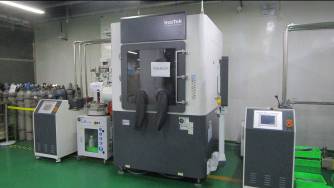
At Shanghai XOVEC Medical Instrument Co., Ltd., we combine digital manufacturing technologies with sterile medical-grade environments to resolve the traditional vulnerabilities of implant sourcing. By integrating automated raw material processing, robotic micro-machining, and real-time vision inspection systems, our manufacturing facilities ensure unprecedented dimensional stability and batch-to-batch consistency.
All biomaterial synthesis and secondary packaging operations occur within controlled environments, eliminating particulate and biological contamination risks at the source.
Using sophisticated MES systems, every batch of synthetic bone graft is linked to its constituent raw materials, processing temperatures, and QA metrics.
Our flexible manufacturing lines allow rapid OEM modifications to graft geometries, density, and degradation rates to align with specific clinical requirements.
Strategically positioned to manage cross-border customs regulations, cold-chain distribution networks, and international freight processes efficiently.
We are a GMP and ISO certified global orthopedic implants manufacturing company committed to designing and manufacturing products that are safe, effective, and of high quality, meeting both National and International Standards. With over 18+ years of experience exporting to 75+ countries, careful and stringent quality control remains our utmost priority. Every innovation undergoes complete monitoring and seamless documentation from procurement to supply.
Seamless monitoring and complete quality control documentation from raw metal and bioceramic extraction to finished sterile implants.
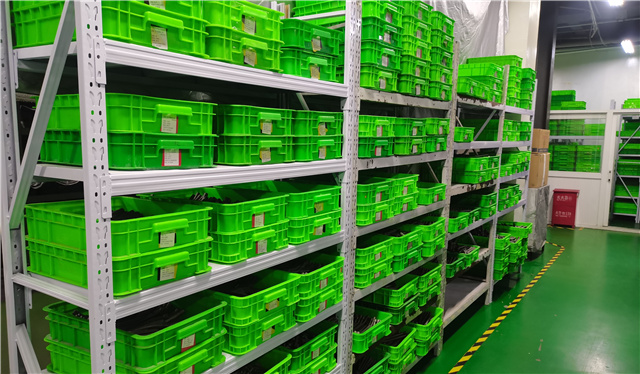
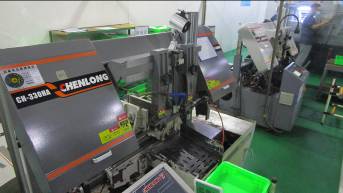
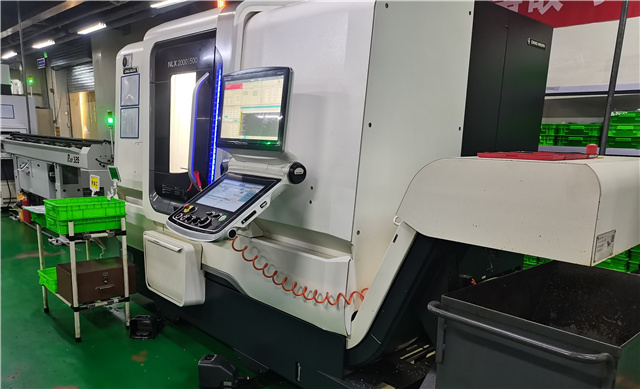
Engineered to support bone regeneration across orthopedics, dental surgery, trauma instrumentation, and complex skeletal reconstructions.
Our CE-certified synthetic bone scaffolds and complementary orthopedic systems are optimized for several critical clinical scenarios:
| Implant Type | Material Base | Primary Application |
|---|---|---|
| Synthetic Bone Grafts | HA / β-TCP (Biphasic) | Bone defect filling & fusion |
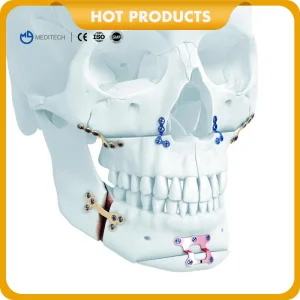
| CMF Plates & Screws | Titanium Grade 5 (Ti-6Al-4V) | Maxillofacial reconstruction |
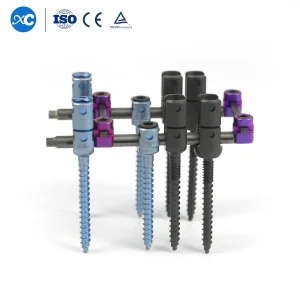
| Pedicle Screws | Titanium Alloy / Cement | Spinal stabilization |
| Intramedullary Nails | Biocompatible Titanium | Long bone trauma repair |
Professional technical insights for global B2B procurement managers, clinical consultants, and distributor agents.
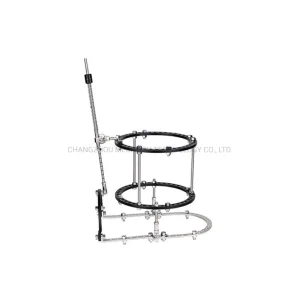
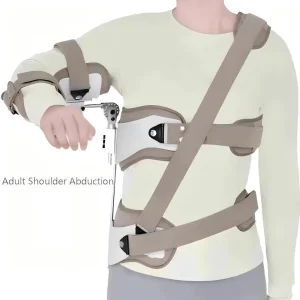
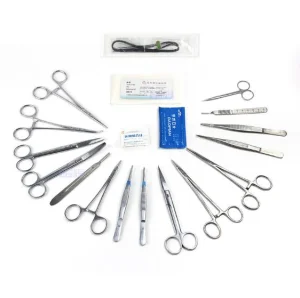
Browse our selection of clinical sutures, non-magnetic hardware, spinal implants, external fixators, and orthopedic braces.
 XOVEC Orthopedic Implants