Explore our high-precision surgical instruments, implants, and trauma correction systems designed to complement modern operating theater environments.
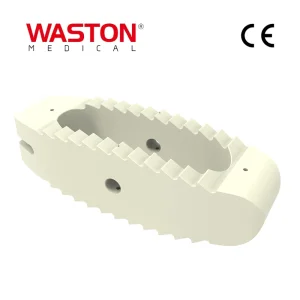

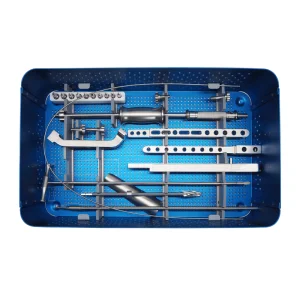
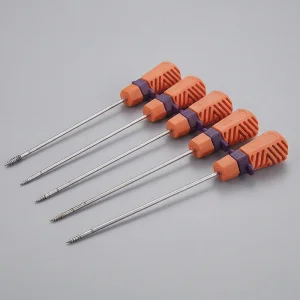
In the rapidly transforming landscape of global healthcare infrastructure, the operating theater (OT) serves as the primary epicenter for high-acuity interventions. At the core of every successful surgical outcome is the seamless synchronization of patient physiology and mechanical life-support systems. As leading medical equipment suppliers and manufacturers, we recognize that an Anesthesia Machine is no longer just a passive vapor delivery apparatus. It has evolved into a highly integrated, software-driven diagnostic and therapeutic suite. This comprehensive workstation manages ventilation, tracks depth of sedation, and continuously streams real-time biometric telemetry to clinical dashboards.
Sourcing premium medical infrastructure demands a rigorous evaluation of engineering precision, materials safety, and compliance benchmarks. As global suppliers, including our strategic partnerships spanning key manufacturing clusters in China and India, we bridge the gap between high-precision orthopedic implantology (such as our globally utilized spinal and joint replacement lines) and total anesthesia workstation reliability. By leveraging years of manufacturing expertise, we provide hospitals and healthcare distributors with the critical assurance of clinical precision, minimizing perioperative risks while optimizing long-term capital expenditure.
This whitepaper addresses the key dimensions of selecting anesthesia machine manufacturers, analyzing technological roadmaps, supply chain architecture, localization protocols, and safety profiles to empower clinical procurement committees worldwide.
The progression of anesthesia technology has moved through several structural phases—from simple open-circuit ether drop systems to modern low-flow, high-precision electronic gas mixers. The future roadmap of anesthesia machines focuses heavily on the digitalization of clinical controls, patient-adaptive systems, and integration with the wider Internet of Medical Things (IoMT).
Integration of intelligent algorithm-based drug delivery systems. Closed-loop setups analyze bispectral index (BIS) values or EEG markers in real time, automatically adjusting both volatile agent percentages and intravenous infusion rates to maintain optimal anesthetic depth without human error.
Incorporating sophisticated ICU-grade ventilation patterns directly into anesthesia machines. Modes like Volume Control (VCV), Pressure Control (PCV), Synchronized Intermittent Mandatory Ventilation (SIMV), and Pressure Support Ventilation (PSV) protect neonatal to bariatric patients from ventilator-induced lung injuries (VILI).
Environmental concerns demand low-flow and minimal-flow anesthesia systems that reduce anesthetic gas waste. Advanced recycling circuits and active gas scavenging systems prevent greenhouse gas emission into the atmosphere while cutting down clinical costs.
| Feature Category | Conventional Anesthesia Machines | Next-Generation Intelligent Systems | Clinical Advantages |
|---|---|---|---|
| Flow Control | Mechanical Rotameters (manual dials) | Digital Electronic Flowmeters (automated mixing) | Ultra-precise gas ratio control, preventing hypoxic mixtures. |
| Agent Delivery | Mechanical Vaporizers (temperature/pressure compensated) | Electronic Vaporizers (integrated dosing modules) | Immediate concentration stabilization and continuous telemetry readout. |
| Monitoring | Modular External Monitors | Fully integrated Patient Monitoring & Agent Analysis | Unified screen dashboard reduces cognitive load for anesthetists. |
| Alarms | Threshold sound alarms | AI predictive alert systems & telemetry messaging | Identifies negative physiological trends before thresholds are crossed. |
Modern clinical institutions operate under highly complex operational mandates. Sourcing hardware piece-by-piece often creates software bottlenecks, device incompatibility, and compliance issues. The industry has shifted from selling standalone medical equipment to delivering integrated perioperative solutions.
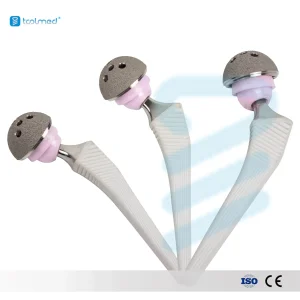
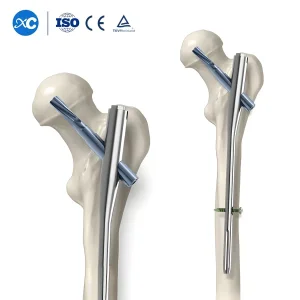
Anesthesia systems must interface natively with the wider surgical ecosystem. For example, in complex orthopedic trauma cases—utilizing precision spinal pedicle screw systems or total hip joint reconstruction implants—patient stabilization and fluid management depend heavily on the feedback loops of the anesthesia workstation.
By designing combined equipment portfolios, manufacturers ensure that the critical links between hardware (implants, surgical instruments) and monitoring systems (ventilators, gas analyzers, infusion pumps) operate without transmission delays or digital handshake failures. This macro-system design guarantees:
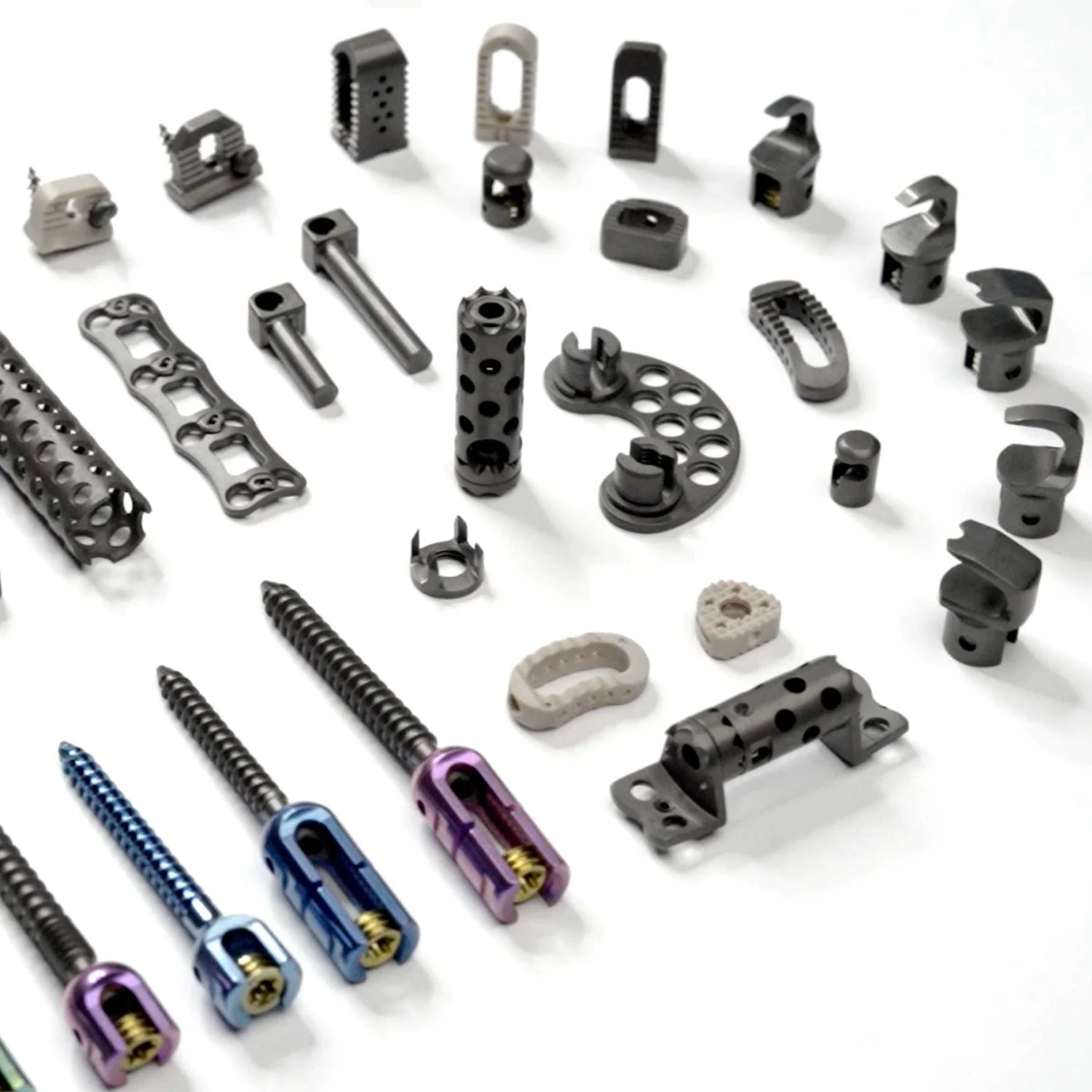
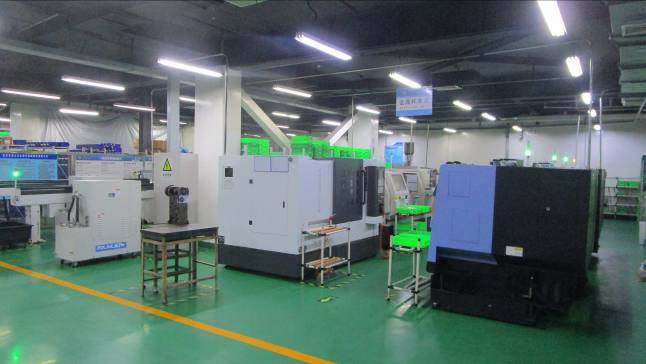
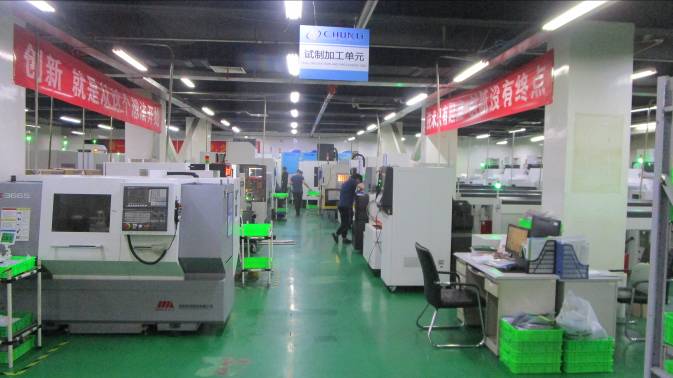
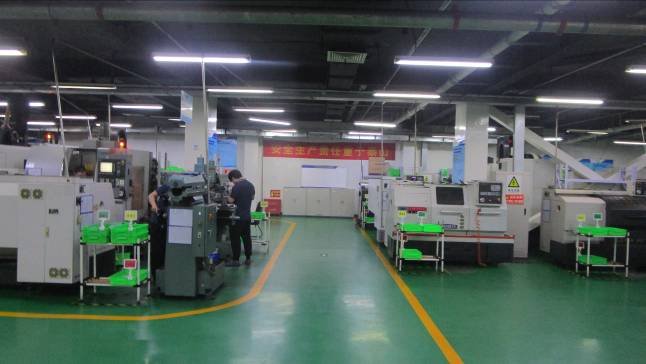
The global reputation of Chinese medical equipment manufacturers is built on the integration of advanced smart manufacturing technologies (Factory 4.0). At companies like Shanghai XOVEC Medical Instrument Co., Ltd., we utilize highly optimized production pipelines where every step is documented, trace-monitored, and validated against strict national and international certifications.
Below is an overview of the key manufacturing stages that define our premium medical instrument and device production line:
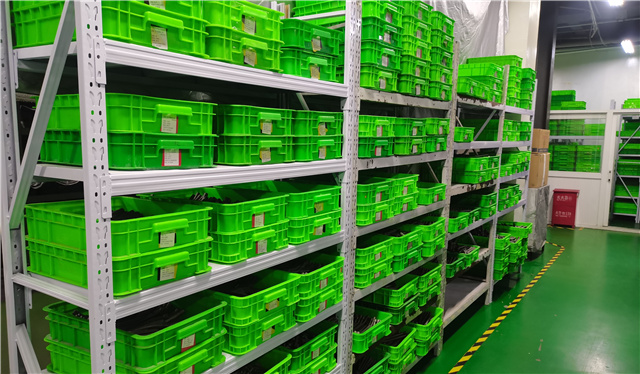
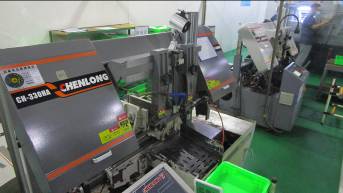
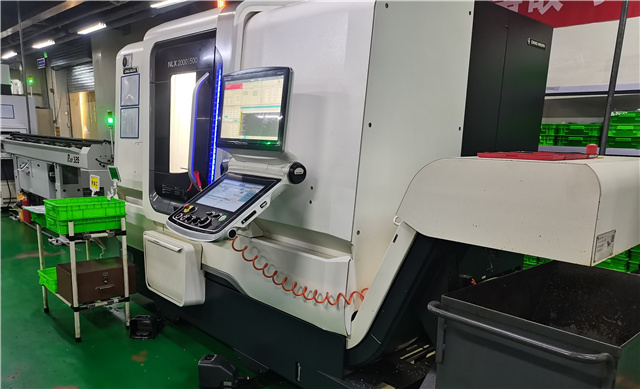
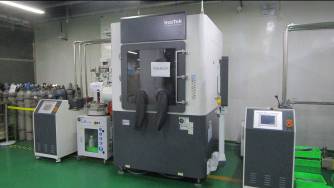
By integrating raw material tracking, CAD/CAM-guided precision machining, robotic spray coating, and multiple stages of mechanical stress testing, our manufacturing lines deliver components of high geometric accuracy, surface quality, and long-term durability.
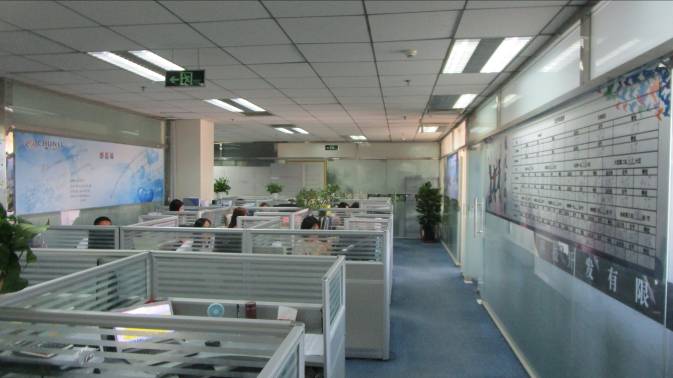
Medical-grade component production requires strict cleanroom facilities, advanced tooling, and robust material selection (such as high-grade titanium, custom biocompatible alloys, and high-performance engineering plastics).
Whether producing micro-pedicle screws for spinal stabilization or high-precision manifolds and patient-circuit modules for anesthesia workstations, our factories maintain a seamless trace-history. This minimizes product failures, speeds up international regulatory clearance (CE/FDA), and guarantees consistent quality batch after batch.
Distributing life-support devices like anesthesia systems worldwide requires more than basic manufacturing capacity. It demands a thorough understanding of localized regulatory environments, certifications, and post-sale technical support infrastructures.
Our manufacturing processes conform to globally recognized standards: GMP, ISO 13485, CE (MDR), and local FDA regulations. Every anesthesia system leaves our facility with comprehensive certification records, making regulatory integration simple for target countries.
Anesthesia workstations require routine calibration, oxygen sensor swaps, and vaporizer servicing. We establish local distribution partnerships to provide fast spare parts delivery, minimizing device downtime in active clinical settings.
We supply digital onboarding programs, detailed video teardowns, and direct engineering consultations to local biomedical technicians, helping them confidently manage system maintenance and diagnostic workflows.
To assist global procurement officers, hospital directors, and distributors in making informed sourcing decisions, we have compiled answers to the most common technical and operational inquiries.
A standard high-performance anesthesia system must include: an integrated breathing circuit with carbon dioxide absorber, mechanical and electronic flowmeters for precision gas control, at least two vaporizer ports (Selectatec-compatible for Sevoflurane, Isoflurane, or Desflurane), and an ICU-grade ventilator offering VCV, PCV, and SIMV modes. Integrated patient monitoring with capnography (EtCO2), agent analysis, and pulse oximetry is highly recommended for patient safety.
Quality control is our primary priority. At Shanghai XOVEC Medical Instrument Co., Ltd., every innovation undergoes complete monitoring and documentation, starting with raw material procurement and continuing to final product supply. We hold GMP and ISO certifications, and our products meet both national and international standards. Our manufacturing sites leverage high-precision CNC tooling, advanced coating labs, and physical stress tests to ensure reliable, safe, and affordable medical products.
Low-flow anesthesia technology restricts the fresh gas flow rate to less than 1 liter per minute. This utilizes rebreathing circuits to recycle exhaled anesthetics after filtering out carbon dioxide. Key clinical advantages include: maintaining airway moisture and temperature, decreasing greenhouse gas emissions, and substantially lowering the volume (and cost) of volatile anesthetic agents used during long procedures.
Yes. We offer on-demand customized manufacturing for medical devices, clinical instruments, and integration modules. Backed by 18+ years of global exporting experience across 75+ countries, we collaborate closely with buyers to customize layouts, software languages, alarm rules, and mechanical mounting configurations to meet specific regional requirements.
All our high-precision medical machinery and clinical products carry a minimum 12-month comprehensive warranty. We supply replacement parts, electronic boards, sensors, and gaskets directly from our centralized logistics hubs. In addition, we coordinate with local service teams to perform annual preventative maintenance, sensor recalibration, and software updates.
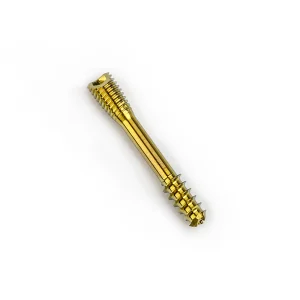
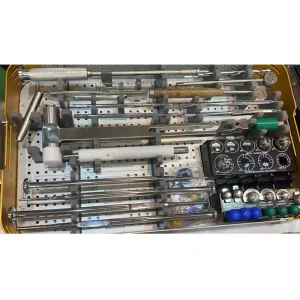
Review our secondary collection of surgical hardware, sports medicine arthroscopic anchors, and specialized veterinary reconstruction instruments.

 XOVEC Orthopedic Implants