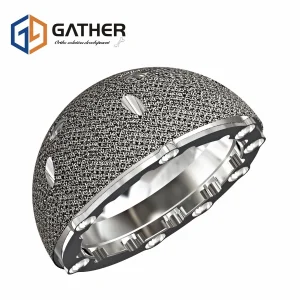
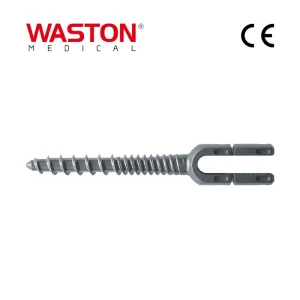
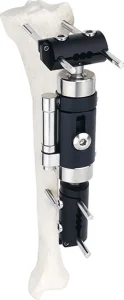
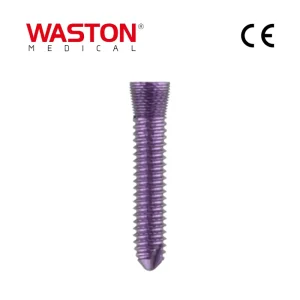
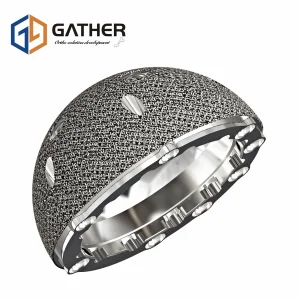
High-precision orthopedic devices engineered for multi-disciplinary reconstructive surgeries and clinical trauma interventions.
A deep dive into biomechanical constraints, biocompatible metallurgy, and international regulatory frameworks for medical device partnerships.
Anterior Cruciate Ligament (ACL) Reconstruction stands as one of the most critical arthroscopic interventions in modern orthopedics. For surgeons to achieve successful, permanent outcomes, the fixation interface must withstand intense multi-axial loads while promoting biological integration. As a leading global orthopedic implants manufacturer, we operate under strict GMP and ISO certifications. Shanghai XOVEC Medical Instrument Co., Ltd. is committed to designing, validating, and manufacturing products that are safe, clinically effective, and compliant with national and international regulatory standards. With over 18+ years of global exporting experience to 75+ countries (with strong production roots in India and robust supply hubs in China), we facilitate high-yield OEM and ODM solutions to meet the changing dynamics of the global orthopedic implants market.
Successful ACL reconstruction depends on the immediate mechanical stability of the graft inside the femoral and tibial bone tunnels. Under active postoperative physical therapy, implants experience cyclical shear stresses and pull-out forces that easily exceed 350 Newtons. Fixation devices are categorized into:
Choosing the right material determines an implant's long-term biocompatibility and structural integrity. At XOVEC, we manufacture using three primary material classes:
The demand for ACL reconstruction implants is rising worldwide. This trend is driven by an aging but active population, rising rates of youth sports participation, and increasing access to minimally invasive arthroscopic surgeries in developing countries. Large medical device brands are shifting away from fully in-house production. Instead, they rely on OEM/ODM specialists to manage supply chain complexity, rising material costs, and strict regulatory environments.
Working with an established partner like Shanghai XOVEC Medical Instrument Co., Ltd. gives global distributors and device brands access to ready-to-use Class III implant designs. This partnership accelerates product launches, minimizes initial R&D costs, and ensures compliance with strict regulatory frameworks. From custom-molded bioabsorbable interference threads to tailored laser markings for specific surgical techniques, our engineering team translates clinical needs into reliable, mass-produced implants.
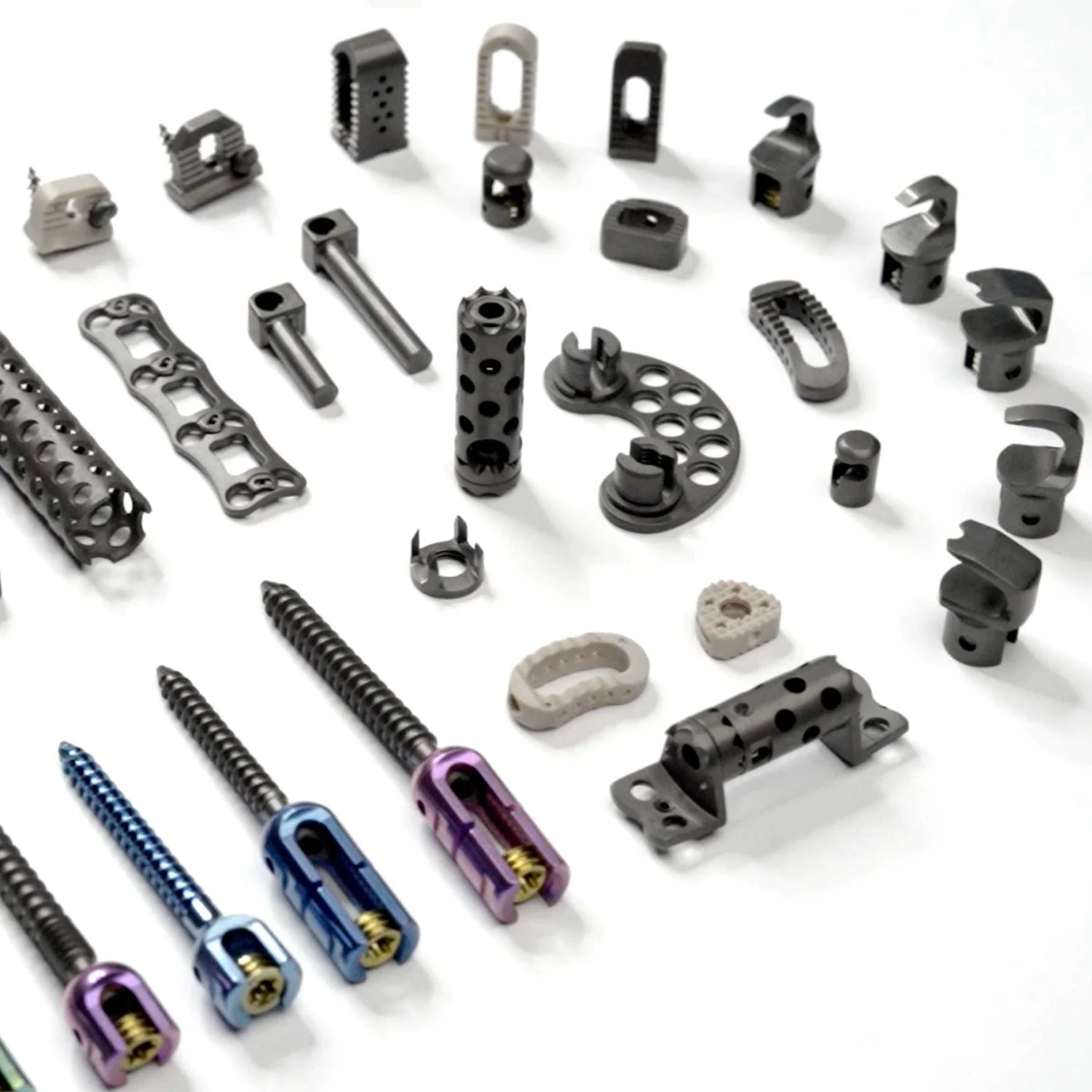
Exploring the technological transitions shaping the future of ligament fixation and biological integration.
Transitioning from basic bioabsorbable polymers to composite matrices containing strontium, magnesium, and bioactive glass. These components accelerate local osteogenesis and actively prevent tunnel widening.
Expanding the use of self-locking, knotless tensioning loops. These designs eliminate knot stack irritation, improve loop performance under cyclic stress, and simplify arthroscopic steps for surgeons.
Using 3D-printed titanium and porous PEEK structures. These implants feature customized pore sizes (300-600 μm) that support direct vascularization and osseointegration.
Applying nanoscale coatings, such as plasma-sprayed hydroxyapatite or chemical modifications (SLA/acid-etching). These surface treatments promote cell attachment and speed up biological integration.
How XOVEC combines raw material traceability with precise manufacturing to deliver high-quality, cost-effective orthopedic devices.
Our manufacturing operations utilize advanced production ecosystems in China and India. By sourcing certified medical materials (PEEK-OPTIMA from Invibio and ELI Titanium from global leaders) and using Swiss-type CNC machining centers, we guarantee high dimensional accuracy (± 5 microns). Our production lines are built to ensure reliability and scalability for our partners worldwide.
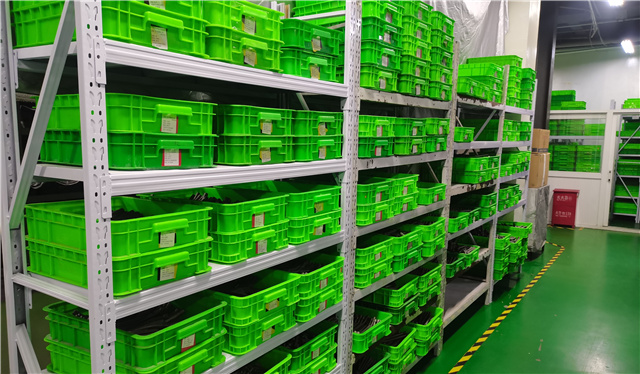
Raw Materials
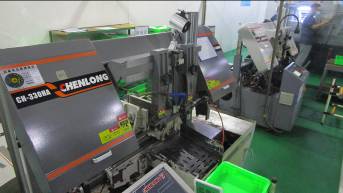
Cutting
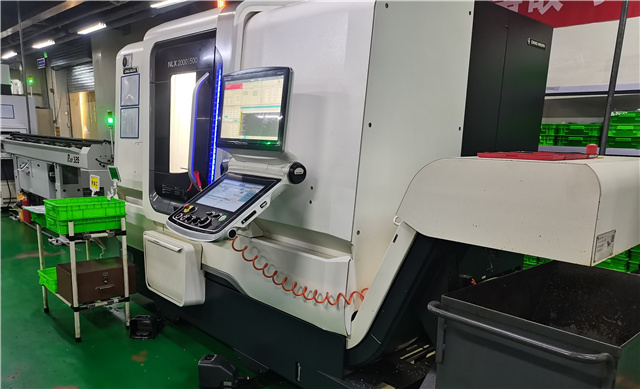
Machining
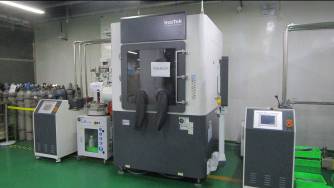
Spray Coating
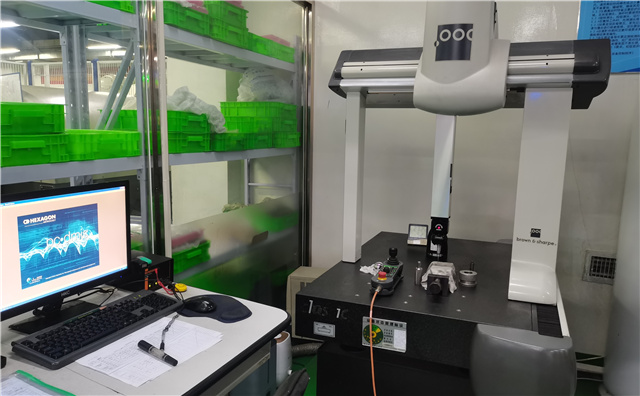
Quality Control & Packaging
We work with global orthopedic partners to turn design concepts into clinical-grade products:
Tailoring ACL fixation designs to meet specific surgical approaches and patient anatomies.
High-impact sports like football, basketball, and skiing require reconstruction designs that support early mobilization. Our titanium and PEEK interference screws provide high initial fixation strength, allowing athletes to begin rehabilitation sooner while protecting the healing graft.
Reconstructing ACLs in young patients requires specialized designs to avoid growth plate damage. Our small-diameter, low-profile cortical buttons and micro-anchors allow surgeons to use transphyseal techniques without compromising patient growth.
Revision surgeries often involve widened bone tunnels from previous implants. Our large-diameter bio-composite interference screws (up to 12mm) and double-button systems help fill bone voids and provide stable fixation in compromised bone.
Meeting international medical standards to ensure patient safety and streamline regulatory approvals.
Operating in the medical device industry requires strict adherence to quality and safety standards. Shanghai XOVEC maintains comprehensive cleanrooms and testing labs to ensure every batch meets global requirements, including EU MDR (2017/745), US FDA 510(k), and NMPA Class III standards.
Every implant is laser-marked with a Unique Device Identification (UDI) code, ensuring full traceability from raw material batch to the final sterile package.
Our Quality Management System (QMS) is certified to ISO 13485:2016, covering the entire product lifecycle from design and development to sterile shipping.
We perform extensive fatigue testing, insertion torque analysis, and pull-out testing to ensure our implants withstand the mechanical demands of sports medicine applications.
We offer EO (Ethylene Oxide) or Gamma irradiation sterilization options, validated to achieve a Sterile Assurance Level (SAL) of 10-6 for patient safety.
Technical details and partnership answers for orthopedic distributors, purchase departments, and surgeons.
Our interference screws are manufactured from three primary materials: Medical Grade 5 Titanium (Ti-6Al-4V ELI), PEEK-OPTIMA® from Invibio, and bioabsorbable composites consisting of Poly-L/D-lactide (PLDLA) blended with osteoconductive Beta-Tricalcium Phosphate (β-TCP) or Hydroxyapatite (HA). This range of materials allows our partners to offer solutions for various surgeon preferences and clinical needs.
We maintain an ISO 13485:2016-certified quality management system and operate ISO Class 7 and 8 cleanrooms. Every manufacturing step—from raw material testing using spectrometers to multi-axis CNC machining, ultrasonic cleaning, and sterilization—is fully documented. We also perform mechanical testing, including pull-out and fatigue resistance checks, to ensure compliance with ASTM and ISO standards.
Yes. Our ODM services include full design customization. We can adjust the thread profile and drive style of interference screws, and customize loop lengths (fixed or adjustable) and suture materials for cortical buttons to fit your brand's specifications and clinical targets.
Lead times vary depending on design complexity and order size. Generally, the prototyping and design phase takes 4 to 6 weeks. Mass production and sterilization validation require another 6 to 8 weeks. We work closely with our partners to establish predictable timelines and maintain safety stock options for long-term contracts.
Yes. Our manufacturing facilities are registered, and many of our standard designs hold CE marks or FDA clearances. For custom OEM/ODM products, our regulatory affairs team provides technical documentation, biocompatibility reports, and manufacturing process summaries to support registrations with the FDA, EU MDR, and other national health authorities.
PEEK-OPTIMA® offers a mechanical modulus similar to cortical bone, which helps reduce stress shielding. It is also radiolucent, meaning it does not create artifacts under MRI or CT scans, allowing surgeons to monitor postoperative healing and tunnel integration more clearly.
Our bioabsorbable screws are designed with thread patterns that distribute torque evenly. We also use optimized driver shapes, such as star or hexalobular drives, to ensure secure engagement and prevent driver slippage during insertion into dense bone.
Our suspensory cortical buttons use UHMWPE braided loops that regularly exceed a pull-out force of 1,000 N under static testing. They also exhibit minimal displacement under cyclic loading, helping to maintain graft tension throughout the healing process.
High-precision orthopedic devices engineered for multi-disciplinary reconstructive surgeries and clinical trauma interventions.
 XOVEC Orthopedic Implants