How to Verify Orthopedic Implants Sterilization Standards?

Time:2026-06-10 Author:Henry
0%

Ensuring the effectiveness of orthopedic implants requires rigorous adherence to sterilization standards. According to Dr. Emily Carter, a leading expert in orthopedic surgery, "Understanding how to check the sterilization standard of orthopedic implants is crucial for patient safety." Her insight highlights the importance of this topic.

Sterilization not only guarantees the safety of implants but also reduces the risk of infection. To navigate the complexities of sterilization standards, professionals must familiarize themselves with guidelines set by regulatory bodies. These guidelines often involve specific protocols and testing methods that can seem daunting.

Furthermore, there are challenges within these standards. Sometimes, even experienced practitioners may overlook key aspects. Inconsistent practices can arise, leading to potential risks. Therefore, regular training and updated knowledge are essential for those involved in the verification process. As the landscape of medical technology evolves, so too should our approach to verifying the sterilization of orthopedic implants.
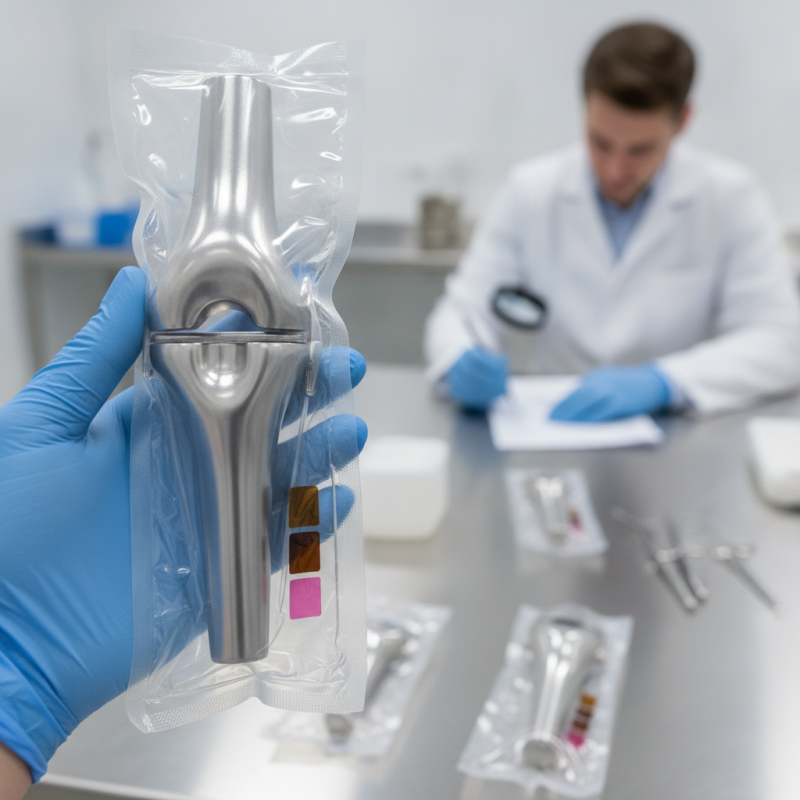
How to Verify Orthopedic Implants Sterilization Standards?

Understanding the Importance of Sterilization in Orthopedic Implants

Sterilization is crucial for orthopedic implants. These devices, often made of metals and polymers, must be free from pathogens. Contaminated implants can lead to severe infections, complicating recovery. According to a report by the Journal of Orthopedic Research, approximately 1-2% of patients experience infections after implant surgery. This emphasizes the need for stringent sterilization protocols.

Understanding sterilization methods is essential for healthcare professionals. Common techniques include steam sterilization, ethylene oxide gas, and radiation. Each method has its strengths and limitations. For instance, steam sterilization is effective but may not suit all materials. Ethylene oxide is versatile but requires longer exposure times. Inadequate sterilization can lead to failures and patient complications.

Tips for ensuring proper sterilization include regular equipment validation and training staff on protocols. Regular audits help maintain standards. Implementing strict hygiene practices in surgical settings also makes a difference. Remember, the ultimate goal is to protect patients and ensure successful outcomes. By prioritizing these practices, professionals can significantly reduce the risks associated with orthopedic implants.

How to Verify Orthopedic Implants Sterilization Standards? - Understanding the Importance of Sterilization in Orthopedic Implants

Sterilization Method Effectiveness (%) Process Duration Compliance Standards Common Uses
Steam Sterilization 99.9999% 15-30 minutes ISO 11134 Reusable instruments
Ethylene Oxide (EtO) 99.9% 2-6 hours ISO 11135 Heat-sensitive devices
Gamma Radiation 99.9999% Variable (1-5 days) ISO 11137 Single-use implants
Plasma Sterilization 99.9999% 30-60 minutes ISO 14779 Delicate instruments
Dry Heat Sterilization 99.9% 2-4 hours ISO 20857 Powder materials

Overview of Sterilization Standards for Medical Devices

Sterilization is critical for orthopedic implants. Medical devices must meet stringent standards. In the U.S., the Food and Drug Administration (FDA) establishes guidelines that ensure safety and effectiveness. A 2022 report indicated that over 80% of post-surgical infections are linked to inadequate sterilization processes.

One method commonly used is ethylene oxide (EtO) sterilization. This process can effectively reduce bioburden. According to the Association for the Advancement of Medical Instrumentation (AAMI), EtO can achieve a 6-log reduction in microbial counts. However, this method is not without challenges. For instance, residues from EtO can be harmful if not completely removed. This raises questions about safety after sterilization.

Another method utilized is gamma radiation. It’s effective for many materials but can also weaken certain devices. A study in the Journal of Orthopedic Research noted that gamma exposure might reduce the mechanical strength of poly (methyl methacrylate), a common bone cement. Such findings stress the need for continuous evaluation of sterilization processes. As the industry evolves, adapting to new challenges in sterilization is necessary. Balancing efficacy and safety remains a priority.

Methods for Verifying Sterilization of Orthopedic Implants

Verifying the sterilization standards of orthopedic implants is crucial for patient safety. One common method involves biological indicators. These indicators consist of spores that undergo a specific sterilization process. After the process, the spores are cultured. If they thrive, it indicates the sterilization failed. However, this method requires precise conditions and time for accurate results.

Another reliable method is chemical indicators. Often placed inside packaging, these indicators change color when exposed to sufficient sterilant levels. While effective, they do not confirm the complete elimination of microbes. Discrepancies between indicators can occur, prompting further tests.

Visualization techniques, like imaging, offer another layer of verification. These can identify package integrity before and after sterilization. However, observational errors in this method may lead to overlooked defects. Regular audits and training for personnel can mitigate these risks. Maintaining flexibility in sterilization protocols helps adapt to evolving standards.

Key Regulatory Bodies and Their Roles in Sterilization Compliance

When it comes to orthopedic implants, sterilization is crucial. Regulatory bodies oversee the sterilization processes to ensure safety and efficacy. The FDA in the United States is a key player. They set stringent guidelines and standards. Compliance with these regulations is not optional. It plays a vital role in patient safety and health outcomes.

In Europe, the European Medicines Agency (EMA) also contributes significantly. They ensure that manufacturers meet specific sterilization requirements. The aim is to eliminate any possible contamination. Third-party organizations often conduct audits. They assess compliance adherence. However, the process can sometimes be inconsistent. Some manufacturers may struggle to meet all the standards, raising concerns about reliability.

Organizations like the International Organization for Standardization (ISO) provide global guidelines. Yet, not all countries implement these standards uniformly. This can lead to variability in sterilization practices worldwide. Companies must navigate different regulations. They must remain vigilant in maintaining high standards. Awareness is key. Ongoing education and training are essential in this field.

Best Practices for Ensuring Consistent Sterilization Results

Ensuring consistent sterilization results for orthopedic implants is critical. According to a report from the World Health Organization, nearly 30% of healthcare-associated infections are related to surgical procedures. This data highlights the importance of robust sterilization practices.

Best practices begin with comprehensive staff training. Employees must understand the sterilization processes, equipment, and safety standards. Regular training refreshers can minimize errors.

Furthermore, validation and routine monitoring of sterilization cycles are vital. The American Society for Testing and Materials (ASTM) recommends repeated validation to confirm consistent outcomes. Using biological indicators can help assess the efficacy of sterilization processes.

Environmental controls also play a significant role. Maintaining the correct temperature and humidity levels in sterilization rooms is essential. Any deviation can impact results. Moreover, tracking implant history is useful. Knowing how each implant was sterilized adds a layer of accountability.

Continuous audits and assessments can uncover lapses in compliance, revealing areas needing improvement. Refining these practices creates a safer surgical environment for patients, ultimately reducing infection rates.

FAQS

: What is a biological indicator for verifying sterilization?

: A biological indicator contains spores. After sterilization, spores are cultured to check if they thrive.

How does a chemical indicator work?

A chemical indicator changes color when it encounters enough sterilant. It doesn't confirm all microbes are eliminated.

Why is package integrity important in sterilization?

Package integrity ensures that implants remain sterile. Visualization techniques can help identify defects in packages.

What role do regulatory bodies play in sterilization?

Regulatory bodies oversee sterilization processes. They set guidelines to ensure safety and efficacy for patient health.

Are sterilization standards consistent globally?

No, standards vary by country. Some regulations may not be implemented uniformly, leading to inconsistencies.

What challenges do manufacturers face in compliance?

Manufacturers may struggle to meet all sterilization standards. This inconsistency raises concerns about reliability.

How can observational errors in sterilization be minimized?

Regular audits and training for personnel can reduce risks of errors in observing sterilization results.

What is the importance of ongoing education in sterilization?

Ongoing education helps maintain high sterilization standards. Awareness of evolving practices is crucial for safety.

Can sterilization methods fail?

Yes, sterilization methods can fail, especially with biological indicators. Precise conditions are necessary for accurate results.

How do discrepancies between indicators affect sterilization safety?

Discrepancies mean further testing may be needed. This can lead to potential delays and concerns for patient safety.

Conclusion

Sterilization of orthopedic implants is crucial to ensure patient safety and the effectiveness of medical procedures. Understanding the importance of sterilization standards helps manufacturers comply with regulations and maintain high-quality production. This summary discusses how to check the sterilization standard of orthopedic implants by exploring the various sterilization methods and the standards set by regulatory bodies.

Key regulatory agencies play a significant role in establishing guidelines and ensuring compliance, which helps in maintaining the integrity of the sterilization process. Adopting best practices is essential for achieving consistent sterilization results, thereby minimizing the risk of infections and complications in patients. By following established procedures and guidelines, stakeholders can effectively verify the sterilization status of orthopedic implants, contributing to improved health outcomes.

Henry

Henry

Henry is a dedicated marketing professional with a profound expertise in the company's offerings. With years of experience in the industry, he possesses an impressive understanding of the market dynamics and consumer behaviors that drive success. Henry is committed to sharing his insights through......