Calcaneal Locking Plates have become a vital tool in ankle surgery. They provide stability and enhance healing for complex fractures. In recent years, their use has gained popularity among orthopedic surgeons. These plates offer various advantages, but they also come with challenges and learning curves.
When using Calcaneal Locking Plates, surgeons must consider patient anatomy. Proper placement is crucial for optimal outcomes. Mistakes in positioning can lead to complications or inadequate fixation. Surgeons must remain vigilant to avoid these issues that can arise during surgery.
Understanding the intricacies of Calcaneal Locking Plates requires practice and experience. It's essential to reflect on each procedure. Continuous improvement in techniques is necessary. Ankle surgery can be complex, and every surgeon's journey with these plates is unique. Emphasis on precision and patient-specific strategies will ultimately yield better results.
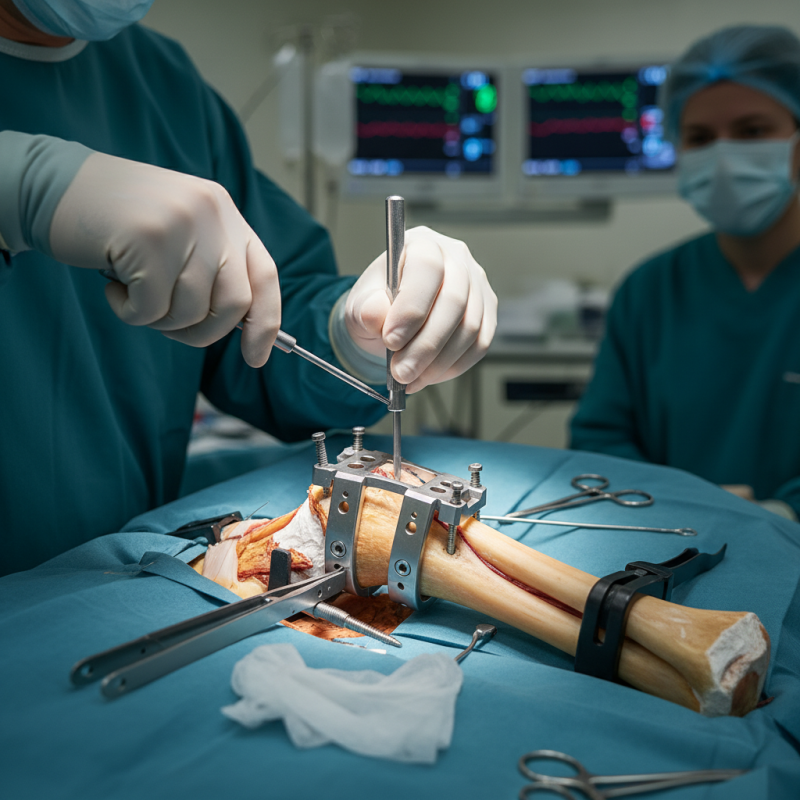
Calcaneal locking plates have become a pivotal element in ankle surgery. These innovative devices provide excellent stability and allow optimal alignment of fractured bones. According to a report by the American Academy of Orthopaedic Surgeons, the application of locking plates has led to significant improvements in patient recovery rates. In cases of unstable fractures, studies show that such plates reduce complications by up to 30%. This illustrates their joint utility in enhancing surgical outcomes.
It’s essential to recognize the surgical technique's intricacies when using calcaneal locking plates. Surgeons face challenges in achieving the perfect bone-to-plate contact. Inadequate contact can sometimes lead to issues like malunion or nonunion. Proper patient selection is vital, and understanding each fracture type is key to successful outcomes. The choice of plate positioning can make a significant difference in healing time and overall recovery. A study emphasized the importance of plate orientation, suggesting that optimal placement might reduce post-operative issues.
Despite the advancements, not all cases yield the desired results. Some patients experience prolonged pain or functional limitations post-surgery. Therefore, continuous education and adaptation of surgical techniques are necessary. The learning curve can be steep, but the goal is to minimize risks while maximizing healing. A deeper understanding is required to refine these techniques and ensure the best possible outcomes for each patient.
Calcaneal locking plates are increasingly used in ankle surgery. They are designed to provide stability for complex fractures. Indications for their use are quite specific. These plates are often chosen for intra-articular fractures of the calcaneus. When the fracture involves joint surfaces, proper alignment is crucial for recovery.
Additionally, they are ideal for unstable fractures that require strong fixation. Surgeons may recommend these plates for patients with significant bone loss. This technique also helps in cases where traditional methods fail to provide adequate support. The unique design of locking plates allows for variable angle screw placement. This versatility can enhance surgical outcomes.
However, the complexity of using calcaneal locking plates must be acknowledged. The procedure requires careful planning and precise execution. Complications can arise if the plate is not positioned correctly. Surgeons need to be aware of potential risks, such as infection and non-union. Reflexivity throughout the surgery is essential to address these uncertainties.
| Indication | Description | Patient Criteria |
|---|---|---|
| Intra-articular fractures | Fractures involving the joint surface of the calcaneus. | Adults with significant joint displacement. |
| Comminuted fractures | Fractures in which the bone is broken into several pieces. | Patients with complex fractures that require stable fixation. |
| Displaced fractures | Fractures in which the bone fragments have moved apart. | Patients exhibiting signs of significant deformity. |
| Failed conservative treatment | Cases where non-surgical management has not provided sufficient stability. | Patients with persistent pain or function limitations after non-surgical treatment. |
| Osteoporotic fractures | Fractures occurring in patients with weakened bone density. | Elderly patients or those with chronic conditions affecting bone strength. |
Ankle surgery using calcaneal locking plates has gained attention in recent years. These plates stabilize complex fractures and provide structural support during the healing process. Studies show that the use of locking plates can significantly reduce the complications associated with traditional plating techniques. A report from the Journal of Orthopaedic Trauma indicates a 30% decrease in malunion rates with this method.
When performing the procedure, assess the fracture type first. Confirm the diagnosis with imaging studies. Begin with a lateral approach to the ankle for optimal access. Position the locking plate over the fracture. Ensure proper alignment before securing it. Utilizing a locking screw will enhance stability. Minimal soft tissue dissection is crucial as it reduces infection risks. Pay attention to soft tissue integrity during surgery.
Tips for success: Ensure that your instruments are in good condition. This can avoid unnecessary delays during surgery. Also, verify the patient's allergies before commencing. Post-operative care is vital for recovery. Monitor for swelling and infection signs regularly. Document any abnormalities for future reference. This helps in improving surgical practices.
Postoperative care after calcaneal plate installation plays a crucial role in recovery. Patients typically need to elevate their feet to reduce swelling. Ice packs can also help during the first few days. A study from the Journal of Orthopedic Research indicates that proper postoperative care can decrease recovery time by 15%.
Rehabilitation is essential for restoring mobility. Start with gentle range-of-motion exercises as soon as the doctor permits. Gradually increasing the intensity can help prevent complications. Physical therapy often begins within a week after surgery. Monitoring for pain or swelling during exercises is vital for adjusting the regimen as needed.
Tips: Always communicate any discomfort to your healthcare provider. Regular follow-ups are crucial in monitoring healing. Remember, every patient's recovery is unique, and being patient is key. It's important to reflect on your progress and make adjustments to your rehabilitation plan as necessary.
Ankle surgery using calcaneal locking plates can lead to various complications. Surgeons must be vigilant about potential issues. Infection is a common risk. Even with sterile techniques, some patients may develop it post-surgery. Early signs include redness and swelling. Managing infection often involves antibiotics. In severe cases, surgical intervention could be needed.
Another complication is hardware failure. The plates might not maintain stability over time. This can be due to improper positioning during surgery or stress on the hardware. Regular follow-up is crucial to identify issues early. Sometimes, patients report discomfort after the initial recovery. Assessing the alignment of the bone and the position of the plate may be necessary.
Patients should be aware of the risk of blood clots. Keeping mobile and performing prescribed exercises can mitigate this. However, some patients may struggle to adhere to these guidelines. Adapting to post-surgery restrictions is challenging. Careful monitoring and support can help during this phase. These complications highlight the need for ongoing patient education and communication.
This bar chart visualizes the potential complications associated with the use of calcaneal locking plates in ankle surgery, along with their respective frequency of occurrence based on recent surgical data.
: It stabilizes complex fractures and supports healing. Proper alignment of the plates is crucial.
They reduce complications significantly. Studies show a 30% decrease in malunion rates with this method.
Assess the fracture type and confirm the diagnosis with imaging studies. This ensures accurate treatment.
It lowers infection risks and preserves tissue integrity during the procedure. Attention here is essential.
Elevate your feet and use ice packs initially. This helps reduce swelling and facilitates healing.
Typically within a week, focusing on gentle range-of-motion exercises first. Gradual intensity increases are important.
It is vital to report any discomfort. Regular follow-ups help monitor healing and adjust plans as needed.
Watch for signs of pain or swelling. Adjust your exercise regimen accordingly to prevent complications.
Document any abnormalities and reflect on your progress. Adjustments to your plan can aid in better healing outcomes.
No, every patient's recovery differs. Being patient and adapting your rehabilitation plan are crucial for success.
Calcaneal Locking Plates have become an essential tool in ankle surgery, offering a stable fixation method for complex fractures. This article outlines the key aspects of using calcaneal locking plates, starting with their introduction and the specific indications for their use in orthopedic procedures. The step-by-step surgical technique highlights how these plates are applied to ensure optimal alignment and stability of the ankle joint.
Postoperative care and rehabilitation are crucial for recovery, emphasizing the need for careful monitoring and gradual return to mobility. Furthermore, the article addresses potential complications that may arise during and after surgery, along with effective management strategies to mitigate these risks. Overall, the use of Calcaneal Locking Plates enhances surgical outcomes and promotes better rehabilitation in ankle surgery.

XOVEC Orthopedic Implants