The orthopedic implant market is rapidly evolving. Innovations drive better patient outcomes and enhance surgical procedures. This leads us to ask: why is R&D capability important for orthopedic implants manufacturers?
Successful manufacturers invest heavily in research and development. They explore new materials and designs, ensuring higher safety and effectiveness. Consumer trust hangs on these advancements. A strong R&D team fosters innovation and addresses real medical challenges. However, it's not just about technological upgrades. Companies must balance cost and effectiveness.
Ultimately, an emphasis on R&D can distinguish a manufacturer in a crowded market. The ability to adapt and innovate is crucial. Yet, maintaining this level of capability requires continuous reflection and improvement. The path to success is complex, but necessary for future growth.
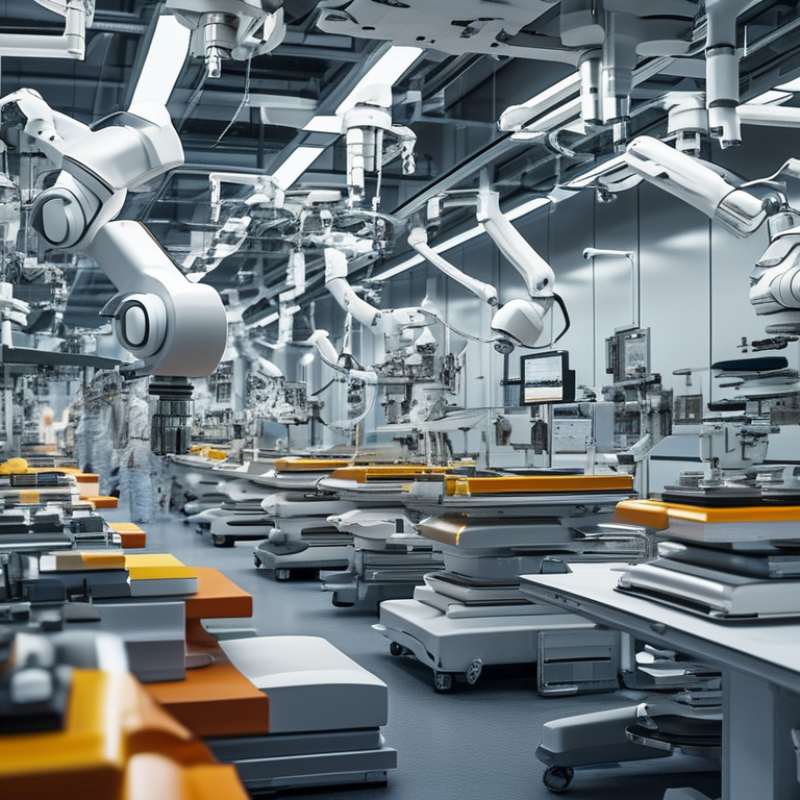
Research and Development (R&D) plays a crucial role in orthopedic implant technology. Innovative research drives improvements in design, materials, and functionality, leading to better patient outcomes. Advanced materials enhance implant strength and longevity. This reduces the risk of failure and complications for patients. Additionally, R&D enables the development of personalized implants tailored to individual needs. Such advancements can improve mobility and overall quality of life.
However, the journey of R&D is not without challenges. Balancing innovation with safety requires careful deliberation. Testing new materials and designs takes time and resources. Regulatory hurdles can delay the introduction of groundbreaking technologies. These factors highlight the importance of continuous investment in R&D. Without it, progress in orthopedic implants would stagnate, leaving patients without crucial advancements.
The ongoing exploration in R&D also addresses gaps in existing solutions. Listening to surgeons' feedback helps guide research directions. This collaboration ensures that new technologies meet real-world needs. As the field advances, there remains room for reflection. Are we doing enough to foster innovation that truly impacts patient care? The future of orthopedic implants relies on answering these essential questions.
This bar chart illustrates the top five reasons why R&D capability is crucial for the advancement of orthopedic implant technology, showcasing the impact of innovation in design, material development, regulatory compliance, market demand, and patient outcomes.
The orthopedic implant market is experiencing significant growth, primarily driven by ongoing innovations. According to recent reports, the global orthopedic implant market is projected to reach $74.3 billion by 2027, growing at a CAGR of 6.8%. This trend reflects the vital role of R&D capabilities in developing advanced materials and designs.
New technologies, such as 3D printing and smart implants, are transforming the industry. These innovations are not only improving patient outcomes but also enhancing the overall efficiency of orthopedic procedures. Data reveals that over 65% of orthopedic surgeons are looking to adopt new technologies in their practices within the next two years. This eagerness underscores a strong demand for research-driven advancements.
Tip: Engage with clinical trials. They offer insights into emerging technologies and their effectiveness. Keeping abreast of these developments is crucial.
Despite these advancements, challenges persist. The integration of new materials introduces variability in implant performance. Additionally, the regulatory landscape can complicate swift innovation. Ongoing collaboration between R&D teams and clinicians is essential to navigate these hurdles effectively.
Tip: Consider patient feedback in the development process. Patient-centered design can lead to better acceptance of new implants and technologies.
| Reason | Impact on Market Growth | Statistical Trend (%) | Future Projections |
|---|---|---|---|
| Innovation in Materials | Increases implant longevity and biocompatibility | 15% increase in demand | Projected growth to 20% by 2025 |
| Customization Options | Addresses individual patient needs | 20% increase in sales | Expected to reach 30% by 2026 |
| Enhanced Testing Protocols | Improves product safety and effectiveness | 10% impact on market confidence | Growth potential to 15% by 2024 |
| Regulatory Compliance | Mitigates risks and enhances market entry | 5% improvement in launch success | Predicted to stabilize at 10% ongoing |
| Technological Advancements | Integrates with digital health platforms | 25% projected increase in usage | Expected to reach 40% by 2027 |
Research and development (R&D) plays a critical role in enhancing the safety and efficacy of orthopedic implants. The process of designing and testing new materials can lead to advancements that significantly reduce the risk of complications. Innovative materials may promote bone healing and minimize infection rates. These developments are vital, as they address common issues faced by patients.
However, not every R&D effort yields immediate results. Some trials may reveal unexpected challenges, like material instability or unexpected body responses. Such setbacks can hinder progress, highlighting the need for ongoing experimentation and reflection. It is essential for professionals to analyze these failures, ensuring that lessons learned contribute to future successes.
Moreover, effective R&D requires collaboration among experts. While individual insights are valuable, a collective approach often uncovers new opportunities. However, communication barriers can exist, potentially stalling innovation. This underscores the importance of fostering a culture that encourages sharing knowledge and expertise. Ultimately, the journey of improving orthopedic implants is complex, yet essential for enhancing patient outcomes.
R&D plays a pivotal role in orthopedic implants through customization and patient-specific solutions. It allows for the creation of devices tailored to individual anatomical needs. Each patient presents unique challenges, from bone density to activity levels. Understanding these nuances is crucial for effective treatment.
Innovative R&D processes can facilitate 3D printing technology. This advancement enables the production of implants that fit better and function effectively. While the benefits are clear, challenges remain. Not all clinical settings embrace cutting-edge methods. Resistance to change can hinder customization efforts. Balancing innovation with established practices poses ongoing hurdles.
As we delve deeper into R&D, it becomes evident that feedback loops from surgeons and patients are vital. Their insights guide adjustments and improvements in design. However, the complexity of patient needs can sometimes overwhelm these processes. Continuous evaluation and adaptation are necessary for success. Developing a profound understanding of individual requirements is essential for advancement in orthopedic care.
The field of orthopedic R&D is facing complex regulatory challenges. Navigating these can be daunting for developers. Innovative solutions often lag behind due to stringent compliance measures. Each regulatory hurdle can delay the introduction of new implants. Stakeholders must adapt quickly to evolving guidelines. This requires a proactive approach to research and development.
Emerging technologies, such as 3D printing, offer hope. They can revolutionize implant design. Yet, the regulatory landscape has not fully caught up with these advancements. Researchers must work closely with regulatory agencies. This collaboration can pave the way for faster approvals. However, adapting to changing regulations can be a slow and frustrating process.
Continuous communication and education are crucial. Many in the field often underestimate the importance of regulatory knowledge. Understanding these dynamics can greatly influence success. Practical workshops can enhance awareness and preparedness. However, there's a constant need to reassess strategies. The road ahead is filled with both challenges and opportunities. Engaging with these complexities is essential for future innovations.
: Ongoing innovations and advanced research and development capabilities are key growth drivers.
The market is projected to reach $74.3 billion by 2027, with a CAGR of 6.8%.
Technologies like 3D printing and smart implants are enhancing patient outcomes and procedure efficiency.
Patient-centered design improves acceptance of new implants and ensures they meet individual needs.
Resistance to change and variations in implant performance present ongoing hurdles.
Stringent compliance measures often delay the introduction of new implants and require proactive adaptation.
R&D enables the creation of devices tailored to unique patient anatomy and needs.
Collaborating with agencies helps facilitate faster approvals and navigate regulatory complexities effectively.
Engaging in practical workshops can improve understanding of regulatory knowledge.
Complex patient needs can overwhelm R&D processes, leading to potential oversights in development.
The article "Top 5 Reasons R&D Capability Matters for Orthopedic Implants" emphasizes the critical role that research and development (R&D) plays in the advancement of orthopedic implant technology. It outlines how R&D capability is essential for manufacturers, as it drives innovation and responds to the growing demand in the orthopedic implant market. Statistical trends indicate that market growth is significantly influenced by novel developments in implant design and functionality, showcasing the importance of R&D investment.
Moreover, the impact of R&D extends to enhancing the safety and efficacy of orthopedic implants, ensuring that products meet the highest standards for patient care. It also facilitates the customization of implants, promoting patient-specific solutions that cater to individual anatomical needs. As the field continues to evolve, understanding "why is R&D capability important for orthopedic implants manufacturers" becomes increasingly relevant, especially as they navigate regulatory challenges and seek to implement innovative technologies for better healthcare outcomes.

XOVEC Orthopedic Implants