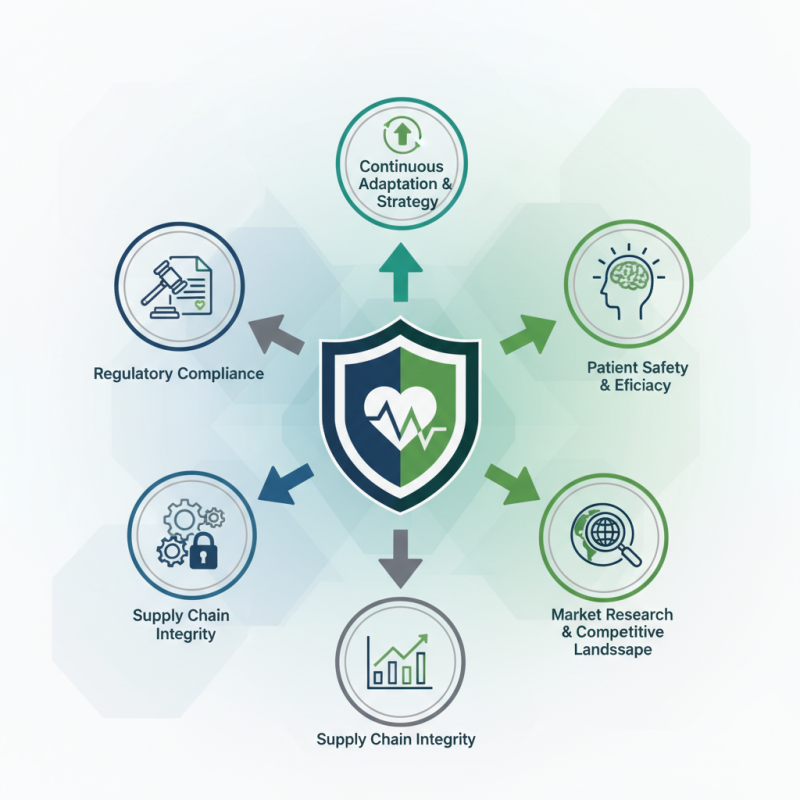
Importing orthopedic implants involves navigating a complex landscape of regulations, quality control, and market demand. As Dr. Emily Chen, a leading expert in orthopedic materials, observes, "Understanding market needs is crucial for successful imports." With the heightened focus on patient safety and implant efficacy, key considerations emerge.
What are the key points of importing orthopedic implants? This question deserves attention. First, regulatory compliance is essential. Each market has unique regulations. These rules ensure that implants meet safety standards. Failing to comply can lead to serious consequences.
Another critical point is supply chain integrity. Quality management must be maintained throughout the process. Any lapse can jeopardize patient health. Additionally, it's vital to understand the competitive landscape. Importing without market research can be a costly mistake. In this ever-evolving field, adapting strategies based on insights is not just beneficial; it's necessary. Balancing all these aspects is challenging. Continuous reflection and adjustment are required to sustain success in this industry.
Importing orthopedic implants is a complex process that requires a solid understanding of regulatory standards. Many countries have stringent guidelines to ensure the safety and efficacy of these medical devices. For instance, the Global Harmonization Task Force (GHTF) emphasizes the need for compliance with risk management and clinical evaluation during the importation process.
Regulatory standards often vary by region. In the United States, the Food and Drug Administration (FDA) places implants into classifications based on risk. Class III devices, which include many orthopedic implants, require premarket approval. According to a 2021 market study, around 75% of orthopedic implant manufacturers cite regulatory compliance as a significant hurdle in their operations. This highlights the importance of staying informed about changing regulations.
Tips: Always consult professionals with experience in orthopedic regulations. Regularly review updates from regulatory bodies to ensure compliance. Consider using third-party services for additional guidance. Regularly auditing your import processes can help identify potential gaps in adherence to regulations, allowing for timely adjustments. Keeping an eye on global trends in orthopedic device approvals can also enhance your competitive positioning.
: Research manufacturers with proven track records and quality certifications.
Look for experience in orthopedic products and check references from other healthcare providers.
It ensures compliance with international safety regulations and protects patient safety.
Providers should offer certificates of compliance and testing results for their products.
Stay updated on tariff rates and use Harmonized System (HS) codes for proper classification.
Poor communication can lead to delays and misunderstandings, complicating the import process.
Yes, regular audits help ensure suppliers meet the required standards and maintain safety.
Always verify authenticity. Ask direct questions about their processes.
Non-compliance can lead to serious consequences for patients and healthcare providers.
Understand tariffs, customs regulations, and maintain transparency with suppliers.
When considering what are the key points of importing orthopedic implants, it is essential to begin with an understanding of regulatory standards that govern the importation process. Compliance with these regulations ensures that the implants meet safety and efficacy criteria. Identifying reliable suppliers and manufacturers is crucial, as quality assurance is directly linked to the reputation and trustworthiness of the source.
Moreover, assessing quality control and compliance throughout the import process is vital to maintaining high standards. Navigating tariffs and customs regulations tailored for medical devices can significantly impact costs and logistics. Lastly, effective planning of logistics and distribution strategies is necessary for timely delivery and availability of the implants in the target market. Bringing these elements together ensures a successful importation process for orthopedic implants.

 XOVEC Orthopedic Implants