Raw material control is vital in the production of orthopedic implants. This importance is highlighted by Dr. John Smith, a leading expert in biomaterials, who states, "The quality of raw materials determines the success of orthopedic devices." When we consider the complexities involved in implant design and function, ensuring the integrity of raw materials is not just a best practice; it is essential.
In orthopedic applications, implants must endure significant stresses and serve patients over long periods. Any failure in raw material quality can lead to severe complications, including implant rejection or failure. Potential contamination during production can result in weakened implants. Therefore, manufacturers must maintain rigorous quality assurance protocols.
Expert insight stresses the need for comprehensive material sourcing strategies. This includes evaluating suppliers, conducting thorough inspections, and adhering to stringent regulatory standards. However, industry challenges still exist. Not all manufacturers prioritize this aspect, leading to variability in implant performance. As the demand for reliable orthopedic solutions grows, understanding "Why is raw material control critical for orthopedic implants" becomes more pressing than ever.
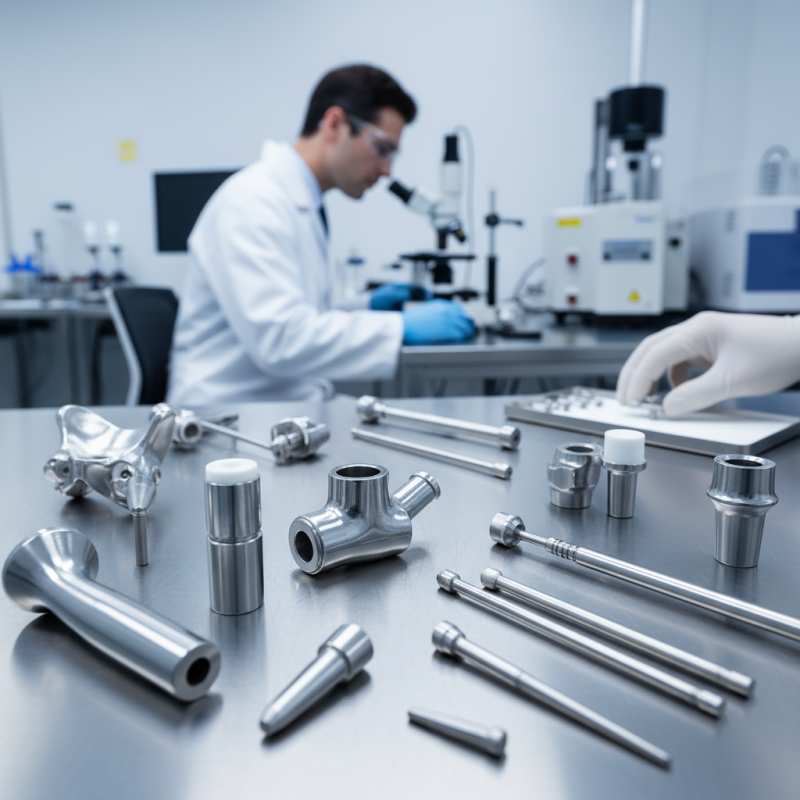
Importance of Raw Material Selection in Orthopedic Implants
The selection of raw materials in orthopedic implants is critical. These materials must exhibit strength, durability, and biocompatibility. For example, titanium and cobalt-chromium alloys are often preferred due to their excellent mechanical properties. Utilizing quality raw materials helps prevent implant failure, which can have severe consequences for patients.
Every implant must match the unique needs of individual patients. This personalization adds complexity to raw material selection. Factors such as the patient's age, activity level, and overall health all influence decisions. Even slight miscalculations in material choice can lead to complications. These potential shortfalls remind us of the importance of rigorous testing and validation in this field.
Moreover, transparency throughout the supply chain cannot be overlooked. It ensures that the materials used are consistently reliable. Improper sourcing can undermine the integrity of the implants. Continuous research and collaboration with material scientists are essential to enhance understanding. The evolving nature of materials science keeps the conversation around selection ongoing.
Impact of Material Quality on Implant Longevity and Performance
The quality of raw materials significantly impacts the longevity and performance of orthopedic implants. Implants made from subpar materials often fail, leading to complications for patients. A thorough understanding of material properties is crucial for orthopedic professionals. Every material used should undergo rigorous testing to ensure it meets industry standards.
Different materials behave uniquely when subjected to stress, corrosion, or wear. For instance, titanium and stainless steel are common choices, each with advantages and disadvantages. While titanium is lighter and more resistant to corrosion, it can be more expensive and challenging to work with. Professionals must weigh these factors carefully during the selection process.
Quality control is not merely an option but a necessity. Inconsistent material sourcing can lead to variations in implant performance. There are instances where implants have failed due to inadequate quality checks. This raises questions about best practices and the need for stricter oversight in material selection. Continuous research and improvement are vital to enhance patient outcomes and minimize risks.
Regulatory Standards for Raw Material Control in Medical Devices
Raw material control is a critical aspect of manufacturing orthopedic implants. Regulatory standards for raw materials ensure safety and efficacy. These standards guide manufacturers on material selection, testing, and documentation. Compliance is non-negotiable, as it directly impacts patient outcomes.
The FDA and ISO set stringent guidelines. They require thorough testing for biocompatibility and mechanical properties. Manufacturers must trace materials from suppliers. This traceability helps identify issues early. Weak links in the supply chain can lead to serious consequences. Not all suppliers meet these regulations, leading to potential risks.
Challenges can arise in maintaining consistent quality. The complexity of materials used can complicate compliance. Some manufacturers may cut corners, hoping to save costs. This approach is risky and can lead to recalls or, worse, patient harm. The emphasis should remain on rigorous quality assessment. Quality assurance can sometimes feel tedious, but it’s vital for success. Building a reliable supply chain is an ongoing process.
Why Raw Material Control is Essential for Orthopedic Implants? - Regulatory Standards for Raw Material Control in Medical Devices
| Material Type |
Origin |
Compliance Standard |
Typical Use |
Risk Factor |
| Titanium Alloy |
USA |
ISO 13485 |
Bone Implants |
Low |
| Stainless Steel |
Europe |
ASTM F138 |
Joint Implants |
Moderate |
| Polyetheretherketone (PEEK) |
Asia |
ISO 10993 |
Spinal Implants |
Low |
| Ceramic Materials |
USA |
ISO 6474 |
Dental Implants |
Moderate |
| Cobalt-Chromium Alloy |
Europe |
ASTM F75 |
Hip Implants |
High |
Challenges in Raw Material Sourcing for Orthopedic Applications
Sourcing raw materials for orthopedic implants presents significant challenges. The orthopedic industry relies heavily on specific materials like titanium and cobalt-chromium alloys. These components are essential for creating durable and biocompatible implants. However, the inconsistency in material quality can jeopardize patient safety and implant longevity.
A recent report by the Medical Device Innovation Consortium highlighted that nearly 30% of orthopedic procedures face delays due to raw material shortages. Sourcing materials from diverse suppliers can mitigate risks. Yet, it is a complex process that adds layers of oversight and quality assurance. Not all suppliers meet rigorous industry standards, raising concerns about the reliability of these materials.
Additionally, fluctuating raw material prices pose challenges. Establishing a stable supply chain is critical. In 2021, the price of titanium increased by 15% due to global demand. Manufacturers must consider both cost and quality, which could lead them to overlook less expensive options with questionable integrity. Balancing these factors requires foresight and strategic planning. The industry must confront these challenges to ensure the safety and effectiveness of orthopedic implants.
Raw Material Sourcing Challenges for Orthopedic Implants
This chart illustrates common challenges faced during the sourcing of raw materials for orthopedic implants, highlighting the percentage of companies reporting each challenge.
Best Practices for Maintaining Raw Material Integrity and Safety
Raw material integrity is crucial in orthopedic implants. Quality materials ensure patient safety and longevity of the implants. Each raw material, from metals to polymers, has unique properties that affect performance. Proper control of these materials helps avoid failures or complications. Regular testing and verification of material sources are vital for reliability.
Maintaining safety starts with careful selection. Suppliers should undergo rigorous assessments to guarantee compliance with standards. Auditing material batches prevents potential defects. Documentation must be thorough to track material history. This transparency fosters trust among manufacturers, healthcare providers, and patients.
Despite best efforts, challenges persist. Human error in material handling can compromise integrity. Insufficient training for staff may lead to oversight. Regular training programs and a culture of accountability are necessary to mitigate risks. Continuous improvement should be a goal, prompting reflection on processes. Only then can the industry move toward enhanced safety and reliability in orthopedic surgery.
Conclusion
Raw material control is critical for orthopedic implants due to its significant impact on the overall performance and longevity of these devices. The selection of high-quality materials directly influences the structural integrity and biocompatibility of the implants, ultimately affecting patient outcomes. Regulatory standards play a crucial role in ensuring that materials used in medical devices meet stringent safety and efficacy benchmarks.
However, sourcing high-quality raw materials presents challenges, including supplier variability and compliance with regulatory requirements. To mitigate these risks, best practices such as thorough supplier audits, rigorous testing protocols, and continuous monitoring of material integrity are essential. In summary, effective raw material control is not only vital for meeting regulatory expectations but also for ensuring the safety and reliability of orthopedic implants, underscoring why raw material control is critical for orthopedic implants.

 XOVEC Orthopedic Implants