What Affects the Service Life of Orthopedic Implants?

Time:2026-05-16 Author:Charlotte
0%

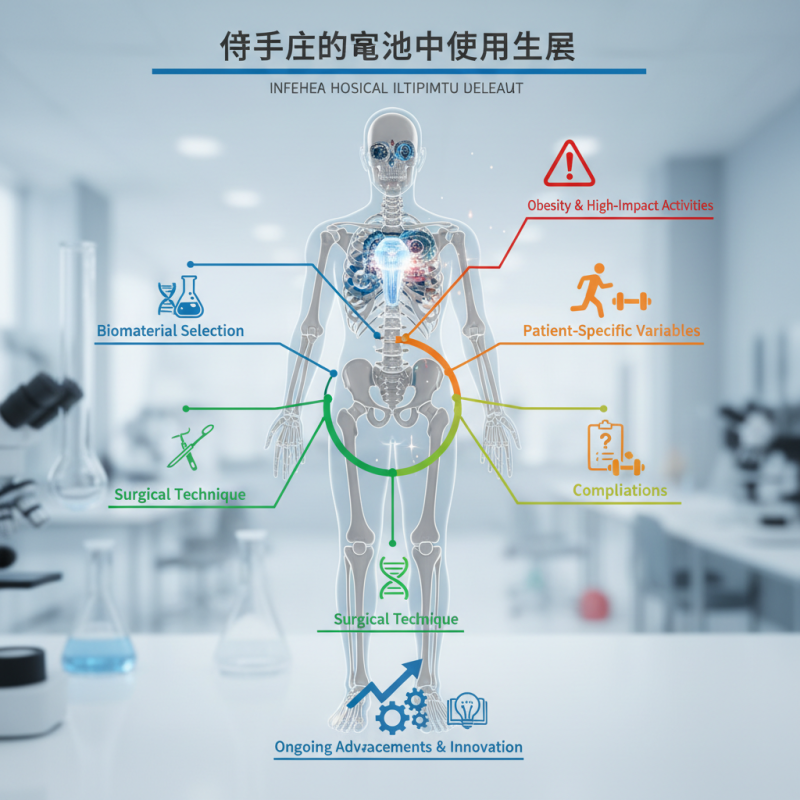
Orthopedic implants play a vital role in restoring mobility and improving quality of life for patients. However, a crucial question arises: What affects the service life of orthopedic implants? Various factors contribute to the longevity and effectiveness of these devices. This includes biomaterial selection, surgical technique, and patient-specific variables, such as lifestyle and health conditions.

Materials used in implants must withstand significant stress while remaining biocompatible. Surgical proficiency also heavily influences outcomes. A poorly executed procedure can lead to complications, resulting in premature failure. Many patients do not realize their daily habits affect implant durability. Factors such as obesity and high-impact activities may pose risks that compromise implant life.

Moreover, ongoing advancements in medical technology continually reshape our understanding of implant longevity. Innovations may address past shortcomings but ask medical professionals to stay updated. Awareness and education on implant care are essential for patients and providers alike. What affects the service life of orthopedic implants is multifaceted, requiring a comprehensive approach to enhance overall success rates. Careful consideration of these factors is necessary to ensure optimal outcomes for patients.
What Affects the Service Life of Orthopedic Implants?

Factors Influencing Material Durability in Orthopedic Implants

The durability of orthopedic implants largely depends on the materials used. Metals like titanium and cobalt-chromium offer strength and resistance to wear. However, even the strongest materials can degrade over time. Factors such as mechanical stress from daily activities, body chemistry, and the implant's design all play a role in this process.

Surface treatment methods, like coatings, can enhance durability but may also lead to complications. For instance, coatings can wear off or react negatively with bodily fluids. Understanding these intricacies is crucial in developing long-lasting implants.

Environmental conditions in the body vary. Movement and load bearing impact wear patterns. Some patients may experience faster degradation due to unique bodily responses. Overall, while advances in technology improve implant longevity, there remain challenges. Continuous research is vital to enhance material performance and extend service life in orthopedic applications.

Impact of Implant Design on Longevity and Performance

The design of orthopedic implants plays a crucial role in their longevity and performance. Different materials influence how well an implant integrates with bone. For example, titanium is commonly used due to its strength and biocompatibility. However, some designs may lead to stress concentrations, resulting in premature failure. Engineers continually refine these designs to improve durability and functionality.

Surface treatment techniques also impact implant performance. Coatings can enhance osseointegration, reducing the risk of rejection. Some implants feature porous structures that allow bone tissue to grow into them. This approach aims to create a more stable bond. But achieving the ideal balance between flexibility and rigidity remains a challenge. Further research is essential in this area.

Understanding how various design choices affect implants is vital for surgeons and patients. Improvements depend on collaboration between designers and healthcare professionals. There is always room for innovation and reflection. Each implant type should be assessed on a case-by-case basis. Real-world results often reveal unexpected issues. Continuous feedback helps drive advancements in orthopedic implant technology.

Role of Biocompatibility in the Service Life of Implants

The service life of orthopedic implants is significantly influenced by biocompatibility. This refers to how well an implant interacts with the body. A biocompatible material integrates well with surrounding tissues. It minimizes inflammation and promotes healing. The choice of material plays a large role in these outcomes.


Different materials exhibit varying levels of biocompatibility. Metal, ceramic, and polymer options all have unique reactions in the body. For instance, titanium is widely praised for its strength and compatibility. However, some patients experience allergic reactions or implant failures. Thus, thorough testing and patient monitoring are crucial.


Surprisingly, not all implants perform as expected. Factors like infection risk and mechanical stress can compromise service life. Some materials may degrade over time, releasing particles into the body. This can trigger immune responses. Continuous research is necessary to improve biocompatibility, ensuring longer-lasting implants. Understanding these complexities helps in advancing orthopedic implant technologies.

Effects of Mechanical Loading and Wear on Implant Longevity

Mechanical loading and wear significantly impact the longevity of orthopedic implants. Studies show that nearly 50% of patients experience implant-related complications within ten years. These complications often arise from mechanical overload or fatigue failure. Specific wear mechanisms, such as abrasive wear, can lead to accelerated degradation of materials used in implants. Over time, this degradation may lead to implant loosening and an increase in revision surgeries.

Additionally, the effects of wear particles should not be underestimated. Research indicates that wear debris can trigger inflammatory responses in the body, further compromising the implant's stability. A report from the American Academy of Orthopedic Surgeons highlights that 10% to 15% of joint replacements require revision within 15 years due to wear-related issues. This data emphasizes the need for ongoing research to improve materials and design.

Identifying the right load-bearing capacity is essential during the surgical process. Overloading may lead to catastrophic failure, while underloading can result in insufficient osseointegration. The challenge lies in predicting the ideal balance. Engineers and orthopedic surgeons must collaborate to enhance implant life. Continuous monitoring and revisions of existing implants are pivotal to mitigate risks and improve overall patient outcomes.

Influence of Patient-Specific Factors on Implant Durability

When considering orthopedic implants, patient-specific factors significantly influence their service life. These factors include age, weight, activity level, and underlying health conditions. For example, studies indicate that patients over 65 may experience implant failure rates of 15% within five years, compared to 5% for younger patients. Similarly, individuals with obesity can increase the load on implants, leading to premature wear and instability.

A key element in implant durability is bone quality. Patients with osteoporosis face a higher risk of complications. Insufficient bone density can compromise the implant's fixation. Research shows that about 30% of patients with low bone mass require revision surgery. Understanding these variables is crucial for personalized treatment.

Tip: Maintain a healthy lifestyle. Regular exercise and a balanced diet improve bone density.

Moreover, compliance with rehabilitation can affect implant longevity. Patients who do not follow rehabilitation protocols may face issues like dislocation or loosening. Data from orthopedic studies highlight a 20% increase in complications in non-compliant patients. Therefore, monitoring health and adhering to post-operative guidelines can significantly enhance implant durability.

Tip: Engage actively in your recovery process. Communicate openly with your healthcare provider.

FAQS

: How does mechanical loading affect orthopedic implants?

: Mechanical loading can lead to complications and reduce implant longevity. Overloading or fatigue failure are common issues.

What percentage of patients face implant complications within ten years?

Approximately 50% of patients may experience implant-related complications within ten years after surgery.

What role do wear particles play in implant stability?

Wear debris can trigger inflammatory responses, compromising the stability and longevity of the implant.

How does patient age influence implant durability?

Patients over 65 may face a 15% failure rate within five years, compared to just 5% for younger patients.

Why is bone quality important for implants?

Insufficient bone density can compromise fixation, increasing the risk of complications and the need for revision surgery.

How can obesity affect orthopedic implants?

Obese patients often put more load on implants, leading to premature wear and potential instability.

What impact does rehabilitation compliance have on implants?

Patients who do not comply with rehabilitation face higher risks of complications, including dislocation and loosening.

What is a potential solution for improving implant life?

Continuous monitoring and revisions of existing implants can address risks and enhance overall patient outcomes.

How can patients improve their bone density?

Maintaining a healthy lifestyle through regular exercise and a balanced diet can improve bone density, benefiting implant durability.

What is a key challenge in implant surgery?

Predicting the ideal balance of load-bearing capacity is crucial to avoid both overload and underload situations.

Conclusion

The service life of orthopedic implants is influenced by multiple factors that can significantly affect their durability and performance over time. Key among these is the choice of materials, as certain materials may better withstand the mechanical and biological environments within the body. Additionally, the design of the implant plays a crucial role in its longevity; well-engineered implants can distribute loads more effectively and reduce wear. Biocompatibility is another essential aspect, as implants must integrate well with surrounding tissues without causing adverse reactions.

Moreover, mechanical loading and wear are critical factors that can impact the longevity of implants; excessive forces can lead to premature failure. Lastly, patient-specific factors, including age, activity level, and overall health, can also dictate how well an implant endures over time. Understanding what affects the service life of orthopedic implants is vital for optimizing their design and improving patient outcomes in orthopedic surgeries.

Charlotte

Charlotte

Charlotte is a seasoned marketing professional with a deep understanding of the company's portfolio and a passion for elevating its presence in the market. With a keen eye for detail and a commitment to excellence, she ensures that our professional blog is regularly updated with insightful articles......