Orthopedic implants play a crucial role in improving patients' quality of life. However, their longevity can vary significantly. Understanding what affects the service life of orthopedic implants is essential for both patients and healthcare providers. Numerous factors influence how long these devices last, from the materials used to the patient’s lifestyle.
The choice of materials is vital. High-quality metals and polymers generally offer better durability. Yet, patient-related factors, such as weight and activity level, can create unexpected challenges. Infections and improper surgical techniques also contribute to the premature failure of implants. Even with careful planning, some variables remain unpredictable. Patients must acknowledge these risks.
As advancements in technology continue, the field is evolving. New materials and improved surgical techniques enhance implant performance. However, the interaction between implants and the human body is complex. Awareness of what affects the service life of orthopedic implants can lead to better decision-making. A careful evaluation of all factors is critical for achieving the best outcomes.
Material Composition and Its Impact on Implant Durability
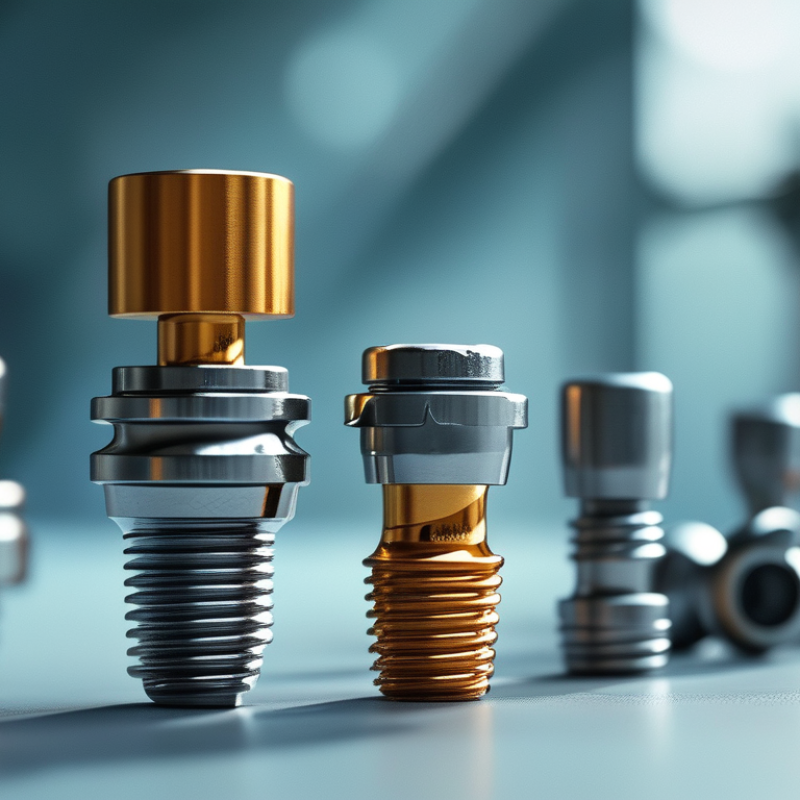
The material composition of orthopedic implants critically influences their durability and service life. Titanium and cobalt-chromium alloys are popular choices due to their strength and resistance to corrosion. Research indicates that titanium implants exhibit exceptional biocompatibility, which is vital for long-term integration with bone. A study published in the Journal of Biomedical Materials Research showed that titanium contributes to an 85% success rate in long-term orthopedic applications, making it a prime choice.
However, not all materials are created equal. Polyethylene, frequently used in joint replacements, can face wear and tear over time. A report from the Journal of Orthopedic Research highlighted that 10-15% of patients experience issues related to polyethylene wear after 10 years. This wear leads to complications that may necessitate revision surgeries, reflecting the importance of selecting high-durability materials in design processes.
Moreover, the surface finish and treatment of implant materials add another layer to their longevity. Roughened surfaces may improve initial fixation, but they could lead to increased stress concentrations. A recent analysis in Clinical Orthopedics and Related Research suggested optimizing surface characteristics can enhance service life by 20%. These factors illustrate that while advancements in material science provide promising solutions, flaws and limitations remain that must be continuously addressed in the design and application of orthopedic implants.
Mechanical Stress and Load-Bearing Considerations
Mechanical stress plays a pivotal role in determining the longevity of orthopedic implants. Every time a patient moves, the implant experiences various forces. These forces can come from daily activities, such as walking, climbing stairs, or even lifting objects. The material used in the implant must withstand these stresses without deforming or failing. Selecting the right materials is vital to ensure that they possess adequate strength and elasticity.
Load-bearing considerations are equally significant. Implants must be designed to support the weight of the body while maintaining their integrity. Over time, repeated loading can lead to fatigue in the materials. This can result in micro-damage, potentially leading to implant loosening or failure. Additionally, each patient's body mechanics are unique. What works for one individual may not be suitable for another. Surgeons must consider factors like body weight, activity level, and overall health when selecting implants. This adds a layer of complexity to the decision-making process.
Despite advancements in technology, challenges remain. Stress concentrations can occur at specific points, leading to premature wear. Understanding these limitations is crucial for improving implant designs. Engineers and researchers continuously strive to create more resilient implants. However, there is always room for improvement and innovation in this field. Continued research can help us better understand the nuances of mechanical stress and load-bearing dynamics in orthopedic implants.
Biocompatibility and Its Role in Implant Longevity
Biocompatibility plays a crucial role in the longevity of orthopedic implants. This characteristic refers to how well a material interacts with biological systems. An implant that is biocompatible minimizes the risk of rejection by the body. It reduces inflammation and promotes healing, which are vital for successful recovery. When an implant is made from biocompatible materials, the body is less likely to react adversely.
One challenge is that not all materials perform the same way inside the body. For example, metals like titanium are often used due to their strength and corrosion resistance. However, some patients may still experience reactions. Researchers are looking into newer materials that could enhance the compatibility further. Ongoing studies focus on coatings and surface treatments to improve interactions between implants and tissues.
Understanding biocompatibility is not just about choosing the right material. It involves a detailed analysis of how different implants interact within varying biological environments. It requires continuous testing and collaboration among experts in materials science and medicine. Achieving the ideal biocompatibility is an ongoing process that needs reflection and improvement. As we advance in technology, we must remain dedicated to this goal for better implant performance.
Top 10 Factors That Affect the Service Life of Orthopedic Implants
This bar chart illustrates the top 10 factors influencing the service life of orthopedic implants, highlighting the significance of biocompatibility and other essential characteristics that contribute to implant longevity.
Environmental Factors Influencing Implant Degradation
Environmental factors play a significant role in the degradation of orthopedic implants. Temperature fluctuations can lead to material stress and decreased implant integrity. High humidity levels may promote corrosion of metal implants, compromising their strength over time. Moreover, exposure to bodily fluids might accelerate wear and tear, highlighting the importance of bio-compatibility.
The surrounding biological environment also matters. The presence of certain bacteria can lead to infections, which may cause implant failure. Additionally, patient activity levels can influence how the implant responds to environmental stressors. For example, excessive physical exertion might lead to micro-fractures in the implant material. Understanding these influences is crucial for improving implant design and longevity.
The choice of implant material is another critical factor impacted by environmental conditions. Some materials are more prone to degradation in specific environments. This necessitates ongoing research into new alloys and composites. Delivering implants that withstand diverse environmental challenges remains a pressing need in orthopedic development. Recognizing and addressing these environmental variables can lead to better outcomes for patients in the long run.
Surgical Technique and Its Effect on Implant Performance
Surgical technique plays a pivotal role in the longevity of orthopedic implants. Proper alignment and positioning during surgery are critical. These factors directly influence the stress distribution around the implant. Misalignment can lead to premature failure, affecting the patient’s mobility and quality of life. Surgeons must be skilled in techniques that minimize trauma to surrounding tissues, promoting better integration of the implant.
Incorporating advanced surgical practices can significantly improve outcomes. For instance, using minimally invasive techniques reduces recovery time. These methods help in preserving muscle and ligament structures, leading to a more stable implant environment. However, not all surgeons may have access to the same level of training or technology. This variability can lead to different results across patients.
It is essential to communicate openly with your orthopedic surgeon about their experience and techniques. Understanding the surgeon's approach can help set realistic expectations. Patients should also inquire about post-operative care. Proper rehabilitation is crucial for implant performance. Regular follow-ups can identify any complications early, ensuring prompt intervention when needed. Fostering a strong partnership between patient and surgeon enhances the chances of a successful recovery.
Conclusion
The service life of orthopedic implants is influenced by several critical factors. One primary aspect is the material composition, where the choice of alloys and polymers plays a significant role in overall durability and resistance to wear. Additionally, mechanical stress during daily activities places load-bearing demands on implants, which can affect their longevity.
Biocompatibility is also essential; the interaction between the implant material and the body can determine how well the implant performs over time. Environmental factors, including body chemistry and conditions that lead to corrosion or degradation, further impact the lifespan of these devices. Lastly, the surgical technique applied during implantation can greatly influence the performance and longevity of orthopedic implants. Understanding what affects the service life of orthopedic implants is vital for improving outcomes and ensuring patient satisfaction.

 XOVEC Orthopedic Implants