Evaluating technical support from orthopedic implant suppliers is crucial for surgical success. With numerous options available, it can be overwhelming to choose a supplier that meets your needs. Understanding how to compare technical support of different orthopedic implants suppliers is essential. The right support can significantly impact patient outcomes and surgical efficiency.
Factors to consider include responsiveness, expertise, and training resources. Suppliers that provide timely assistance during surgeries often stand out. Additionally, look for those that offer thorough training for your staff. This ensures better understanding and handling of implant systems. A knowledgeable team can help avoid common pitfalls.
It’s also important to engage with other professionals. Sharing experiences can reveal valuable insights about supplier reliability. However, don’t overlook the potential for bias in recommendations. Always gather multiple opinions. Be prepared to reflect on your priorities—what matters most in terms of support and reliability? This reflection can guide you in making an informed choice.
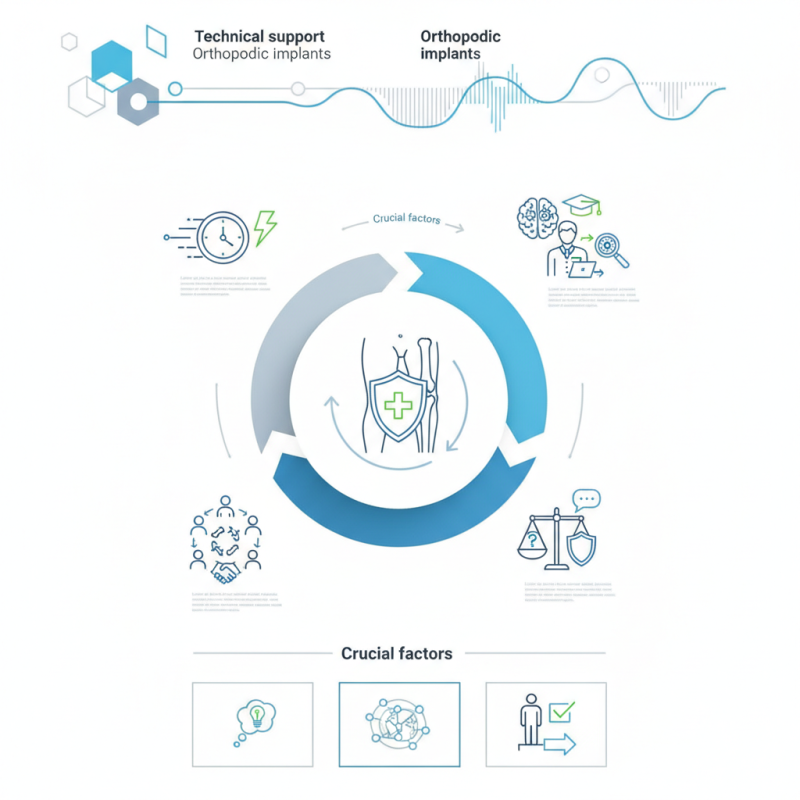
Technical support in orthopedic implants is crucial for optimizing patient outcomes. Understanding its importance can empower healthcare providers. Effective support should include timely responses to queries and assistance during the surgical process. A knowledgeable support team can help surgeons troubleshoot issues in real time. This collaboration can significantly enhance the surgical experience, ensuring safety and efficacy.
The quality of technical support can vary widely. Some suppliers may not provide adequate training for the surgical team. Others may fail to address concerns, leading to frustration. It is essential to evaluate these services carefully. Providers should consider the responsiveness of support representatives. Additionally, accessibility to ongoing education and resources is critical for maintaining high standards. Experienced teams often possess insights that can influence procedure success.
Some orthopedic focus areas may be complex. Support teams should not only address immediate needs but also anticipate future challenges. A good support system engages in proactive communication. They must understand evolving surgical techniques and innovations in implants. Therefore, the depth of this support can profoundly affect surgical outcomes and patient satisfaction.
When evaluating technical support from orthopedic implant suppliers, several key aspects warrant attention. First, assess the responsiveness of the support team. Is the team available to address concerns promptly? Delays can hinder patient care, making efficient communication critical.
Next, consider the expertise of the support staff. Do they possess a deep understanding of the products? Technical problems often arise during procedures. Competent support can make the difference between resolution and unnecessary complications.
Tips: Always ask for examples of past support experiences. This provides insight into how issues were handled. Seek clarity on training programs offered for the surgical team. Effective training can enhance product usage and improve overall outcomes.
Finally, evaluate the reliability of the supplier’s support services. Do they have a history of providing assistance when needed? Unreliable support can jeopardize surgical success. Pay attention to customer testimonials or case studies that highlight real-world support scenarios.
Evaluating technical support from orthopedic implant suppliers is crucial for effective patient outcomes. Various factors influence the quality of this support. One key aspect is the supplier's responsiveness. Studies show that 70% of healthcare professionals expect timely assistance. Delays can lead to critical issues during surgeries or procedures, impacting patients directly.
Another significant factor is the depth of product knowledge from technical support staff. Reports indicate that 60% of users value in-depth understanding of implant materials and engineering. This expertise can guide surgeons effectively, ensuring the right choices for individual patients. Healthcare providers need to assess if the support team undergoes regular training. Without ongoing education, knowledge may stagnate, leading to potential mistakes.
Additionally, the ability to customize support based on specific surgical needs is vital. Suppliers offering tailored solutions receive higher satisfaction ratings. Yet, only 40% of companies provide such personalized service. This gap presents a reflective moment for providers. Continuous evaluation of these support structures is essential. It reveals areas for potential growth and improvement.
Evaluating technical support from orthopedic implant suppliers requires careful consideration of responsiveness and expertise. When interacting with suppliers, pay attention to their communication speed. A prompt response usually indicates a commitment to customer service. However, if responses are delayed, reflect on how this might affect future support.
Assessing expertise is equally important. Check if the support team has a solid understanding of the products offered. Ask specific questions about the implants. Their answers should demonstrate both knowledge and clinical experience. For instance, inquire about recent advancements in their product lines and how these advancements improve patient outcomes.
Tips for effective evaluation: Document all interactions. This helps track consistency and reliability in responses. Also, consider trialing a product to observe the support offered in real-time. An actual experience can reveal more about their expertise and responsiveness than words alone. Remember, effective support is not just about quick answers; it’s about valuable insights.
When evaluating technical support from orthopedic implant suppliers, user feedback plays a crucial role. Engaging with actual users provides insights that go beyond marketing claims. Many surgeons rely on peer-reviewed studies, but anecdotal evidence is equally important. Reviews often highlight responsiveness and the clarity of communication from support teams. These factors can significantly impact a surgical team's efficiency in employing new technology.
Additionally, detailed user experiences can reveal the practical application of support. For example, some users may report delays in technical assistance. Others might mention the thoroughness of product training offered. Such feedback can indicate a supplier's commitment to succeeding with healthcare professionals. It’s essential to recognize that not every user will have the same experience. A single negative review could stem from unique circumstances. Reflecting on both positive and negative feedback ensures a balanced perspective, fostering informed decisions.
Ultimately, taking the time to analyze user feedback on orthopedic supplier support can unveil patterns. Evaluating common themes in these experiences leads to a better understanding of the overall reliability of a supplier. It’s a process that requires diligence and care, recognizing that consistent support is as critical as the implants themselves.
: Responsiveness is crucial. Delayed responses can hinder patient care and affect surgical outcomes.
Support staff should understand the products deeply. Their knowledge can help resolve technical issues effectively.
Asking for examples provides insight into past issue resolution, showcasing the supplier's reliability and competence.
User feedback reveals insights beyond marketing. It helps assess responsiveness and clarity of communication.
Effective training enhances product usage and can lead to better surgical outcomes, making it essential to consider.
No, experiences vary. One negative review might reflect unique circumstances, so a balanced view is crucial.
Testimonials highlight real-world support scenarios. They can give a better understanding of the supplier's reliability.
Analyzing common themes can help assess overall support reliability. Consistent support is vital for success.
Unreliable support can jeopardize surgical success, making it important to evaluate this before choosing a supplier.
It's essential to consider both positive and negative feedback to make informed decisions about supplier support.
Evaluating technical support from orthopedic implant suppliers is critical for ensuring optimal product performance and patient outcomes. Understanding the nuances of technical support involves assessing key aspects such as the availability and responsiveness of support services, as well as the expertise of the personnel involved. Factors that impact the quality of this technical assistance must be closely examined, including the supplier's experience, training programs, and communication channels.
When considering how to compare technical support of different orthopedic implants suppliers, it's essential to utilize methods that accurately assess their responsiveness and proficiency. This can include direct inquiries, reviewing user feedback, and analyzing case studies where technical support played a pivotal role. By systematically evaluating these elements, healthcare professionals can make informed decisions that enhance both their operational efficiency and the quality of care provided to patients.

XOVEC Orthopedic Implants