10 Essential Tips for Choosing Orthopedic Implants in Minimally Invasive Surgery?

Time:2026-05-05 Author:Oliver
0%

Choosing the right orthopedic implants for minimally invasive surgery is crucial for patient outcomes. Dr. John Smith, a leading orthopedic surgeon, emphasizes, "The right selection of implants can significantly improve recovery times." This statement underlines the importance of careful evaluation in the implant selection process.

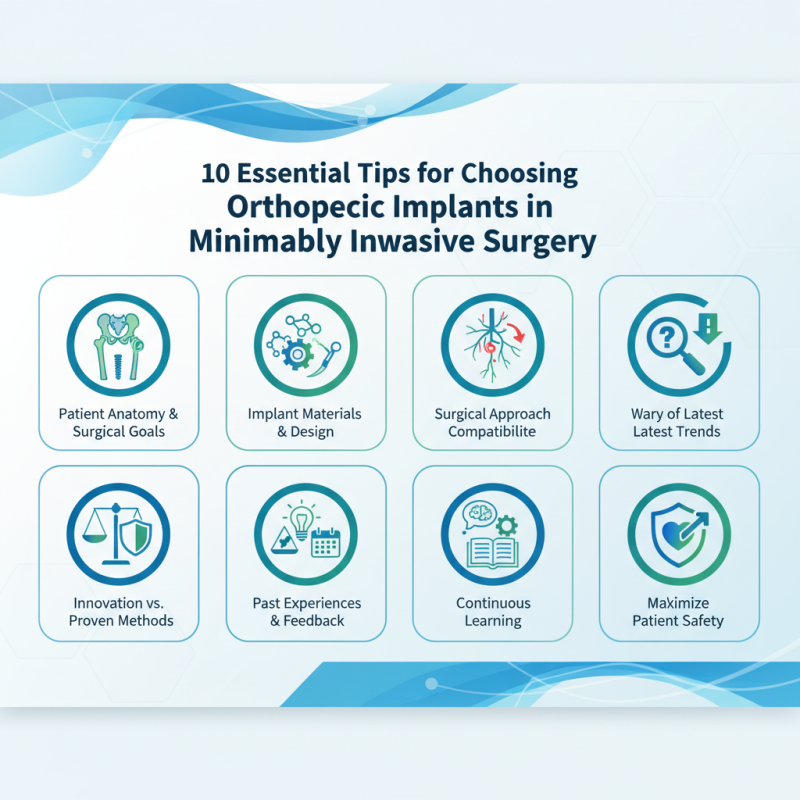
When considering how to select orthopedic implants for minimally invasive surgery, several factors come into play. Surgeons must assess the patient's unique anatomy and surgical goals. They should consider implant materials, design, and compatibility with the surgical approach. Each decision impacts the patient’s experience, including pain levels and mobility post-surgery. It's essential to remain wary of the latest trends and technologies. Not every innovation translates to improvement.

Surgeons may feel pressured to keep up with advancements, but this isn't always necessary. It’s important to balance innovation with proven methods that work. Each implant selection is a chance to reflect on past experiences and patient feedback. Continuous learning is vital in this evolving field. The goal remains clear: maximize patient safety and satisfaction through informed choices.
10 Essential Tips for Choosing Orthopedic Implants in Minimally Invasive Surgery?

Factors to Consider When Selecting Orthopedic Implants

When selecting orthopedic implants for minimally invasive surgery, several important factors come into play. The choice of materials is crucial. Commonly used materials include titanium, cobalt-chromium, and polyethylene. Each has its own strengths and weaknesses in terms of biocompatibility and mechanical properties. Recent studies highlight that titanium is often preferred for its excellent strength-to-weight ratio.

Surgeons must also consider the implant design. Different designs can affect outcomes such as implant stability and patient recovery. A study published in the Journal of Orthopedic Surgery found that properly designed implants significantly reduce the risk of complications and promote faster healing. Volume of the implant is another detail that requires attention; oversized implants can lead to complications, including wear and tear on adjacent tissues.

Surgeons need to reflect on the patient’s individual needs. Not all implants fit every patient. Factors like age, activity level, and overall health should guide the decision-making process. Data indicate that personalized approaches to implant selection correlate with improved post-operative outcomes. Feedback from peers and continuous education on emerging technologies can also enhance the decision-making process. Balancing these elements can present challenges, but they are essential in achieving optimal surgical results.

10 Essential Tips for Choosing Orthopedic Implants in Minimally Invasive Surgery

Tip Description Considerations
1. Material Selection Choose biocompatible materials that promote integration and minimize rejection. Titanium and cobalt-chromium are popular options.
2. Size and Fit Ensure the implant size matches the patient's anatomy for optimal stability. Pre-operative imaging can assist in sizing.
3. Implant Design Consider the design's ability to minimize tissue damage during insertion. Innovative designs may offer better outcomes.
4. Porosity and Surface Finish Porous surfaces can enhance bone ingrowth. Evaluate the trade-offs between porosity and strength.
5. Load-Bearing Capacity Assess the implant's ability to withstand expected loads. Different applications require different load tolerances.
6. Manufacturer History Look for manufacturers with a proven track record of safety and efficacy. Research patient outcomes associated with different brands.
7. Regulatory Approval Ensure the implant has the necessary regulatory approvals. Check compliance with local medical device regulations.
8. Surgical Technique Consider the surgical method required for implant insertion. Some implants may be easier to place using minimally invasive techniques.
9. Post-Operative Care Understand the follow-up and rehabilitation process related to the implant. Adhere to post-operative protocols to ensure implant success.
10. Cost Considerations Evaluate the cost-effectiveness of the implant. Consider both initial and long-term financial impacts.

Understanding Different Types of Orthopedic Implants Used in Surgery

When considering orthopedic implants for minimally invasive surgery, understanding the types is crucial. There are various implants, such as plates, screws, and joint devices. Each one serves a different purpose and is designed for specific conditions. Recent studies indicate that more than 50% of orthopedic surgeries now utilize minimally invasive techniques, reflecting a significant trend toward these advanced procedures.

One common type is intramedullary nails used for fractures. These implants provide internal support and can reduce recovery time. Another example is the use of biodegradable implants. These materials gradually dissolve, eliminating the need for a second surgery. According to industry reports, this approach results in improved patient outcomes. However, surgeons must consider the biological response to these materials, as not all patients react positively.

Surgeons also face challenges in selecting the right implant. Factors include the patient's age, bone density, and overall health. In some cases, conventional implants may perform better than newer options, despite advancements. Continuous evaluation of implant performance is essential. Review studies show that complications can arise if implants are not tailored to individual needs. Thus, thorough pre-surgical assessments can guide effective decisions in implant choices.

The Role of Biocompatibility in Implant Selection

When considering orthopedic implants for minimally invasive surgery, biocompatibility plays a pivotal role. The material must not provoke an adverse response from the body. This is crucial for patient safety and the success of the procedure. Common materials include titanium and various polymers. Each has unique interactions with bodily tissues. They can affect healing, inflammation levels, and long-term stability.

Surgeons must evaluate the potential for wear and corrosion. Even minor degradation can lead to serious complications. Research indicates that even well-regarded materials can have unpredictable outcomes in some patients. Individual biological responses vary greatly.

Proper selection demands careful consideration of patient profiles and surgical goals. Occasionally, implants that are biocompatible in general may not perform well in specific cases. This raises questions about personalizing implant choice. A more tailored approach could enhance surgical outcomes. Collaboration among surgeons, biomedical engineers, and researchers is key to improving these choices. Such discussions often reveal the complex nature of biocompatibility. They help identify which conditions merit further research or alternative solutions.

Evaluating the Long-term Durability of Orthopedic Implants

When evaluating the long-term durability of orthopedic implants, several factors come into play. Materials used in implants can significantly affect their longevity. Titanium and cobalt-chromium are often praised for their strength and resistance to corrosion. However, new materials are emerging. Research is ongoing to determine how these will perform over time.

Surgeons should also consider patient-specific factors. Age, activity level, and overall health can impact how well an implant endures stress. For instance, younger, more active patients may require more robust solutions. Yet, patients with underlying health issues might face different challenges. There is no one-size-fits-all answer here, which necessitates personalized assessments.

The surgical technique employed can influence the implant's success and durability. Minimally invasive procedures often reduce recovery times, but they can also present unique challenges. The precise placement of the implant is critical. Misalignment can lead to complications. Understanding the nuances of each approach empowers surgeons to choose the best options for their patients. Balancing innovation with established practices often guides decision-making in this field.

Durability of Orthopedic Implants Over Time

This bar chart illustrates the long-term durability of orthopedic implants over a period ranging from 1 to 20 years. The data reflects the percentage of implants still functioning effectively, highlighting the importance of choosing implants designed for minimal invasiveness with durability in mind.

Guidelines for Collaborating with Surgeons on Implant Choices

Collaborating with surgeons on orthopedic implant choices requires clear communication and mutual understanding. Surgeons often look for specific qualities in implants, such as strength, compatibility, and long-term performance. Engaging in discussions about these factors can lead to better outcomes and facilitate a smoother surgery process.

When discussing implant options, consider these tips:

  • Understand the surgeon's preferences and their experiences with various implants.
  • Ask questions to clarify why certain materials or designs are favored.
  • Share insights about the patient's specific needs.
  • Be open to suggestions that may challenge your initial thoughts.
This dialogue can expose potential biases and enhance decision-making.

Feedback from previous surgeries can also guide your choices. Reflect on past experiences, whether successful or not. Document what worked and what didn’t. Such analysis provides valuable context when collaborating on new cases. Always remain adaptable, as the field of orthopedic implants continues to evolve, presenting new possibilities.

FAQS

: What materials are commonly used for orthopedic implants?

: Common materials include titanium, cobalt-chromium, and polyethylene. Each material has its unique strengths and weaknesses.

Why is implant design important?

Implant design affects stability and recovery. Proper designs can reduce complications and promote faster healing after surgery.

How does implant volume impact patient outcomes?

Oversized implants may cause wear on adjacent tissues, leading to potential complications. Size needs careful consideration.

What factors should surgeons consider when selecting an implant?

Factors include patient age, activity level, and overall health. Personalizing the implant choice can improve recovery outcomes.

How does biocompatibility influence implant selection?

Biocompatibility ensures the body does not react negatively to the implant. It's vital for patient safety and procedural success.

Can well-regarded materials still have complications?

Yes, even reputable materials can result in unpredictable outcomes. Individual biological responses to materials can vary greatly.

Is a standardized approach effective in implant selection?

No, a tailored approach often leads to better surgical outcomes than standardization. Each patient's needs are different.

Why is collaboration important in implant selection?

Collaboration among surgeons, engineers, and researchers helps improve choices and reveals complex nature of biocompatibility.

What role does continuous education play in implant selection?

Ongoing education helps surgeons stay informed about emerging technologies, positively influencing implant choices and patient care.

Are there challenges in balancing implant selection factors?

Yes, balancing factors like design, material, and individual needs is challenging but essential for optimal results.

Conclusion

In "10 Essential Tips for Choosing Orthopedic Implants in Minimally Invasive Surgery," the article outlines crucial factors to consider when selecting orthopedic implants. It emphasizes the importance of understanding the various types of implants available and their respective applications. A critical aspect covered is the role of biocompatibility, ensuring that the materials used do not provoke adverse reactions in the human body. Additionally, the article highlights the significance of evaluating the long-term durability of implants to ensure they can withstand the stresses of daily use.

Moreover, effective collaboration with surgeons is essential for making informed decisions about implant choices. By working closely with medical professionals, one can gain insights into the most suitable options tailored to specific surgical needs. Ultimately, the article serves as a comprehensive guide for those seeking to understand how to select orthopedic implants for minimally invasive surgery, ensuring optimal outcomes and patient safety.

Oliver

Oliver

Oliver is a seasoned marketing professional with a wealth of expertise in driving brand awareness and engagement. With a deep understanding of our company's product offerings, he consistently delivers high-quality content that enriches our professional blog. His insights not only shed light on......