Corrosion resistance is a critical factor in the longevity and functionality of orthopedic implants. Why do orthopedic implants need corrosion resistance? Implants are often made from metal alloys that can degrade in body fluids. This degradation could lead to dangerous complications. According to a report from the National Center for Biotechnology Information, about 10% of patients suffer complications due to implant failure.
Metal corrosion could release harmful ions into the bloodstream. These ions may cause adverse tissue reactions. The American Academy of Orthopaedic Surgeons highlights that corrosion can lead to implant loosening or even fractures. The challenge lies in creating materials that not only meet mechanical strength requirements but also possess excellent corrosion resistance.
While some advancements have been made, there are still gaps in understanding how different environments impact corrosion rates. Testing conditions often don’t replicate the complex biological environment in the human body. This raises questions about the reliability of current materials. Orthopedic researchers must continue to explore better options to enhance the safety and effectiveness of implants.
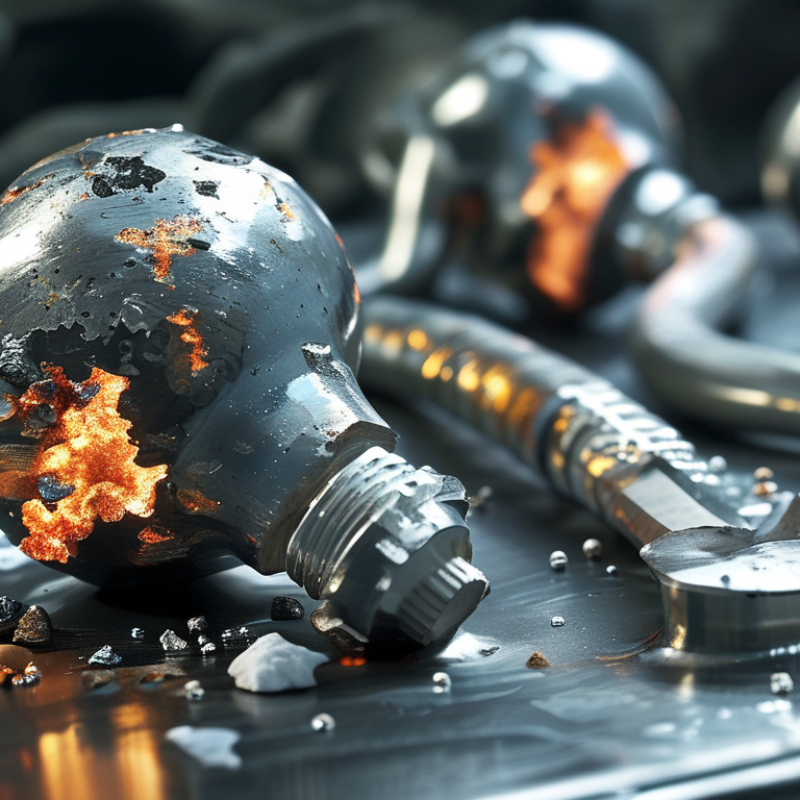
Corrosion resistance plays a vital role in biomedical applications, particularly orthopedic implants. In studies, up to 40% of implant failures can be attributed to corrosion issues. This deterioration can lead to severe complications. For example, metal ions released by corroding implants may trigger inflammatory responses in the body. These ions can accumulate, affecting surrounding tissues and overall health.
Implants made with superior corrosion-resistant materials can significantly reduce these risks. Data indicates that titanium and cobalt-chromium alloys exhibit excellent corrosion resistance compared to stainless steel. According to a recent report, titanium's low corrosion rate preserves implant integrity for over 10 years. This durability is crucial for patient trust and overall surgical success.
Tip: Always consult with a medical expert to understand the materials used in orthopedic implants.
In addition, continued research is essential to address gaps in current materials. Some implants may not adequately resist specific bodily environments, leading to unexpected failures. Seeking advancements in surface treatments and protective coatings could enhance longevity.
Tip: Engage in regular discussions with orthopedic specialists about innovations in implant materials. Keeping informed can lead to better choices for your healthcare.
Corrosion poses significant challenges for orthopedic implants. Understanding the types of corrosion is essential for improving implant longevity. Based on a study by the Journal of Biomedical Materials Research, nearly 70% of orthopedic implant failures are linked to corrosion-related issues. This data highlights the need for precise material selection and design considerations in orthopedic applications.
One common type is galvanic corrosion. This occurs when two different metals come into contact in the body, leading to accelerated degradation. A study in the Clinical Orthopaedics and Related Research journal noted that implants made from different metal alloys could accelerate this corrosion process. Pitting corrosion is another concern. It can develop in passive layers and lead to localized damage. When this occurs, it can result in particle release and inflammatory responses.
Stress corrosion cracking is less frequent but can be catastrophic. This type of corrosion arises under tensile stress and corrosive environments. The American Society for Testing and Materials reported a notable increase in crack propagation rates under physiological conditions. Understanding these forms of corrosion is vital for developing better implant materials. Innovations in coatings and new alloy compositions continue to emerge, but challenges remain in fully mitigating corrosion risks in vivo.
Corrosion resistance is vital in orthopedic implants due to the harsh environment within the human body. Implants face exposure to bodily fluids and varying pH levels. Therefore, choosing the right materials is essential for longevity and patient safety.
Stainless steels and titanium alloys are among the most common materials used. Stainless steels possess good mechanical properties but may corrode over time. Titanium alloys, on the other hand, are highly resistant to corrosion and offer excellent biocompatibility. This means less risk of rejection by the body. Another interesting option is cobalt-chromium alloys, known for their durability and resistance to wear.
Tips: Always consult with a professional about the materials used in your implant. Each patient is unique, and what works for one person may not work for another. Consider the long-term effects of the implant materials on your health.
It’s essential to remember that not all implants are the same. Some materials may degrade faster than others. Regular check-ups with your healthcare provider can help monitor any potential issues early on. Understanding these materials and their properties will keep you informed about your health.
Corrosion plays a significant role in the longevity of orthopedic implants. When metal implants are exposed to bodily fluids, they can corrode over time. This corrosion can lead to the release of harmful ions into the body. As a result, patients may experience inflammation and pain. Implant failure becomes a real threat.
Patients and surgeons often overlook corrosion. Many assume that once an implant is placed, it will endure. However, studies show that over 50% of implants face complications due to corrosion. Such outcomes can drastically impact a patient's quality of life. They may need revision surgeries, which carry their own risks.
The choice of materials in implants is critical. Some metals resist corrosion better than others. Yet, even the best materials can suffer from wear and tear. It is essential to continue researching and developing new alloys. Understanding corrosion mechanisms can lead to more durable implants. Addressing these issues is vital for improving patient outcomes and ensuring a better future for orthopedic surgeries.
Corrosion resistance is essential for orthopedic implants due to the harsh biological environment they encounter. Research indicates that nearly 10% of implant failures are linked to corrosion-related issues. For instance, metallic ions released from corroded implants can lead to adverse biological responses, affecting tissue and bone integration.
To enhance corrosion resistance, several strategies can be utilized. Coatings such as titanium dioxide or bioactive glass can significantly improve the durability of implants. These coatings act as a barrier, reducing metal ion release. Additionally, advanced alloy formulations are being developed. Alloys containing improved elements like zirconium demonstrate superior corrosion resistance compared to traditional stainless steels.
Despite advancements, challenges remain. Some coatings may degrade over time or interact negatively with body fluids. Continuous research is necessary to find optimal materials and processes. Collaboration between material scientists and orthopedic surgeons is vital for developing implants that balance strength, functionality, and corrosion resistance. Sustainable solutions will enhance patient outcomes while reducing the risk of complications caused by corrosion.
| Material | Corrosion Resistance Level | Common Uses | Enhancement Strategies |
|---|---|---|---|
| Titanium Alloys | High | Joint replacements, dental implants | Coating with titanium nitride |
| Cobalt Chromium Alloys | Moderate | Hip and knee replacements | Electropolishing |
| Stainless Steel | Moderate | Bone screws, plates | Passivation treatments |
| Zirconium Alloys | Very High | Cardiac implants, orthopedic applications | Surface roughness optimization |
: Galvanic corrosion occurs when different metals contact each other in the body, leading to faster degradation.
Pitting corrosion is a significant concern. It can cause localized damage and result in harmful particle release.
Stress corrosion cracking can lead to severe failure. It develops under tension and corrosive conditions, increasing risks.
Corrosion can significantly shorten implant life. It releases harmful ions into the body, causing inflammation and pain.
Over 50% of implants may encounter complications from corrosion. This can lead to the need for revision surgeries.
Some metals perform better than others. Yet, even the best materials may face wear and tear over time.
Coatings like titanium dioxide improve durability by acting as barriers, reducing metal ion release into the body.
Yes, coatings may degrade or negatively interact with body fluids. Continuous research is needed to find optimal solutions.
The right material affects corrosion resistance and implant success. Ongoing research can lead to better outcomes for patients.
They collaborate with orthopedic surgeons to create implants that balance strength, functionality, and corrosion resistance.
Corrosion resistance is essential for orthopedic implants due to the harsh environment within the human body, where implants are exposed to bodily fluids and mechanical stresses. Various types of corrosion, such as pitting, crevice, and stress corrosion cracking, can significantly affect the longevity and performance of these devices. Ensuring corrosion resistance not only protects the structural integrity of the implants but also reduces the risk of failures that could lead to adverse patient outcomes.
Materials commonly used for corrosion-resistant orthopedic implants include titanium and certain stainless steel alloys, which are known for their biocompatibility and mechanical strength. To further enhance corrosion resistance, strategies such as surface coatings and alloy modifications are employed. In conclusion, addressing the question of "Why do orthopedic implants need corrosion resistance" reveals that maintaining the functionality and lifespan of these devices is crucial for the safety and health of patients undergoing orthopedic procedures.
XOVEC Orthopedic Implants