Choosing the right orthopedic implants is crucial for athletes. Dr. John Smith, a renowned orthopedic surgeon, emphasizes, “The right choice impacts recovery and performance.” His insights help guide decisions in sports medicine.
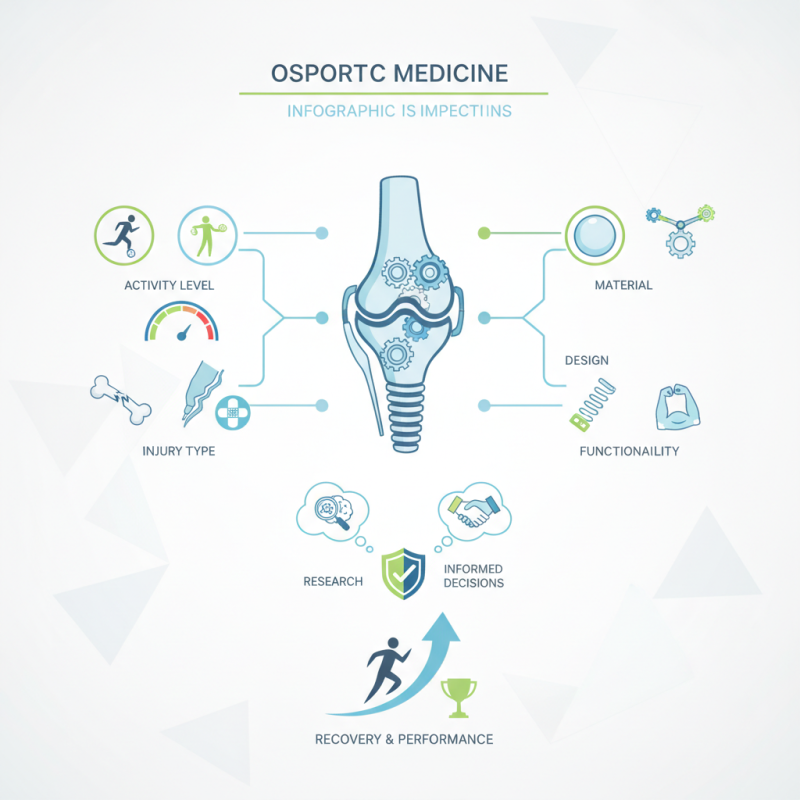
Orthopedic implants must fit individual needs. Factors like activity level and injury type play significant roles. It’s not just about the material; the design and functionality matter too. For example, some implants allow for greater flexibility, which is vital in sports applications.
Yet, even seasoned professionals may feel overwhelmed. The vast array of choices can lead to uncertainty. Doctors must carefully consider patient characteristics. Balancing innovative technology with proven methods is key. Research and collaboration with manufacturers can facilitate informed decisions. Understanding how to select orthopedic implants for sports medicine applications is essential for effective treatment.
Sports-related injuries are common, impacting athletes of all levels. Understanding these injuries is crucial for effective treatment. Some prevalent injuries include ligament tears, fractures, and tendonitis. Each injury requires a tailored approach. Proper assessment helps determine the severity and the best treatment options.
In sports medicine, orthopedic implants can play a vital role. They support healing and improve mobility after injuries like ACL tears or shoulder dislocations. These implants provide stability and encourage tissue regeneration. However, choosing the right implant is not straightforward. Surgeons must consider various factors like the specific injury, the athlete's age, and their activity level.
Despite advancements in medical technology, complications can arise. Some patients report persistent pain or limited range of motion post-surgery. It’s important to discuss potential risks with a healthcare provider. Open communication about expectations can help in the decision-making process. Ultimately, a collaborative approach between patients and medical professionals leads to better outcomes.
When considering orthopedic implants for sports medicine, understanding the different types available is crucial. Commonly used implants include screws, plates, and anchors. These devices serve various functions based on the specific injury or condition being treated. For instance, anchors are essential in repairing soft tissue injuries, particularly in shoulder surgeries.
Tips: Always consult a medical professional before selecting an implant. They can provide personalized advice tailored to the athlete’s unique needs. Researching the best practices and outcomes associated with each type of implant can also guide decision-making.
Joint replacements are another category of orthopedic implants. Although they're typically reserved for severe cases, they play a significant role in restoring mobility. The importance of proper alignment during surgery cannot be understated. Misinformation can lead to suboptimal results and dissatisfaction.
Ultimately, remain open to second opinions. Sometimes, a less invasive option might be more suitable. Each situation is different, and ongoing discussions with healthcare providers are vital for optimal outcomes. Adjusting expectations regarding recovery and functionality is equally important.
Choosing the right orthopedic implants for sports medicine involves careful consideration of many factors. Understanding the unique demands of the sport and the athlete's body is crucial. For instance, joint stability is essential in high-impact sports. Studies show that a 25% increase in joint stability can drastically reduce the risk of re-injury. This reinforces the importance of selecting implants that match the athlete's activity levels.
When assessing implants, materials matter. Titanium is frequently favored for its strength and lightweight properties. Research indicates that titanium implants can endure high stress, making them suitable for athletes involved in contact sports. However, some athletes may react negatively due to allergies. A thorough medical history review is advisable.
Tips: Always consult with a medical professional before making a decision. They can provide insight based on the latest data and trends in orthopedics. Consider biomechanical analysis; it helps in understanding how an implant will perform under specific conditions. Finally, remember that not all problems have clear solutions. Each athlete's recovery journey is unique and may require adjustments over time.
| Factor | Description | Importance Level | Common Materials Used |
|---|---|---|---|
| Patient's Age | Younger patients may require more durable materials. | High | Titanium, Stainless Steel |
| Activity Level | Higher impact athletes need implants designed for strength. | Critical | Ceramic, Carbon Fiber |
| Type of Injury | Different injuries require specific implant designs and features. | High | Polyethylene, Titanium Alloys |
| Surgeon's Preference | Surgeons may have preferred techniques or products based on training. | Medium | Custom Solutions |
| Cost | Budget availability may affect the choice of implant. | High | Various Materials |
Choosing the right orthopedic implants for sports medicine is crucial for recovery and performance. The role of material and design significantly impacts the effectiveness of these implants. Recent studies show that materials like titanium and composite polymers are favored for their strength and biocompatibility. Titanium, for instance, has a tensile strength five times that of steel, making it ideal for high-stress applications.
The design of orthopedic implants also plays a pivotal role in their success. Custom designs can improve functionality and reduce complications. A report published by the Journal of Orthopedic Research highlighted that implants with optimized geometric configurations lead to a 20% increase in load distribution. This is essential for athletes who require peak performance after surgery. However, the complexity of these designs can sometimes present challenges in manufacturing and longevity.
Yet, not all implants perform as expected. Material fatigue remains a growing concern. Research indicates that nearly 10% of patients experience complications due to early implant failure, often linked to material properties. Manufacturers must continually innovate to enhance the durability and performance of orthopedic implants. Balancing material selection and design precision is an ongoing challenge, requiring deep expertise in biomechanics and engineering to meet the needs of active individuals.
When it comes to choosing orthopedic implants for sports medicine, collaboration with medical professionals is crucial. Engaging with orthopedic surgeons and sports medicine experts can lead to better treatment outcomes. They can provide insights tailored to specific athletic needs. Their experience ensures that every decision is rooted in clinical evidence and best practices.
Consultations help clarify the available options. Athletes often have unique anatomical structures and movement patterns. Physicians can assess these individual differences to recommend the most appropriate implants. Open dialogues with medical teams are essential. They can also help athletes understand the risks and benefits associated with various implants.
It's not just about selecting an implant; it's about the healing process too. Surgeons often need to adjust their recommendations based on how the athlete responds to treatment. Continuous feedback is vital. Athletes should feel comfortable sharing their concerns. Being proactive about discussions can lead to better recovery strategies. The journey of choosing the right implant is iterative and collaborative, requiring trust and communication at every stage.
: The right orthopedic implant is crucial for effective recovery and athletic performance.
Titanium and composite polymers are favored for their strength and biocompatibility.
Custom designs can enhance functionality and lower complications, improving patient outcomes.
Approximately 10% of patients may experience complications due to early implant failure.
Engaging with experts ensures decisions are based on clinical evidence and meet individual athletic needs.
Open dialogues help clarify risks, benefits, and ensure personalized treatment strategies.
Continuous feedback and open communication with the medical team can improve recovery outcomes.
Not all designs are durable; material fatigue remains a concern in some cases.
Unique anatomical structures and movement patterns require tailored implant recommendations from physicians.
Yes, recommendations may evolve based on how the athlete responds to the treatment process.
When considering how to select orthopedic implants for sports medicine applications, it is essential to first understand the nature of sports-related injuries and the various treatment options available. A comprehensive grasp of the types of injuries commonly treated with orthopedic implants can guide the selection process.
Several factors play a crucial role in choosing the right implants, including the specific injury type, the patient's activity level, and the desired outcomes of the treatment. The materials and design of the implants significantly affect their performance and longevity. Therefore, collaboration with medical professionals is vital to ensure that the selected implants meet the individual needs of the athlete, ultimately leading to optimal recovery and return to sports.

XOVEC Orthopedic Implants