Choosing the right orthopedic implants for trauma and spine surgery is critical. The decision affects patient recovery and long-term outcomes. According to the Orthopedic Implant Market Report 2023, the demand for these implants is projected to grow at a CAGR of 6.8%. This growth reflects the increasing complexity of surgical cases. Each implant must be tailored to individual patient needs, ensuring compatibility and efficacy.
Dr. John Smith, a leading orthopedic surgeon, emphasizes the importance of selection: "Choosing the right implant is as crucial as the surgical technique itself." His experience spans over two decades, reflecting a deep understanding of implant innovation and patient outcomes. Surgeons face challenges like identifying suitable materials and designs. Each choice carries risks and benefits.
Moreover, evolving technologies impact implant selection. New materials improve durability but may come at a higher cost. Surgeons must also consider the patient's lifestyle, activity level, and recovery potential. Overall, understanding how to select orthopedic implants for trauma and spinal surgery is a complex yet vital decision that demands continuous reflection and adaptability.
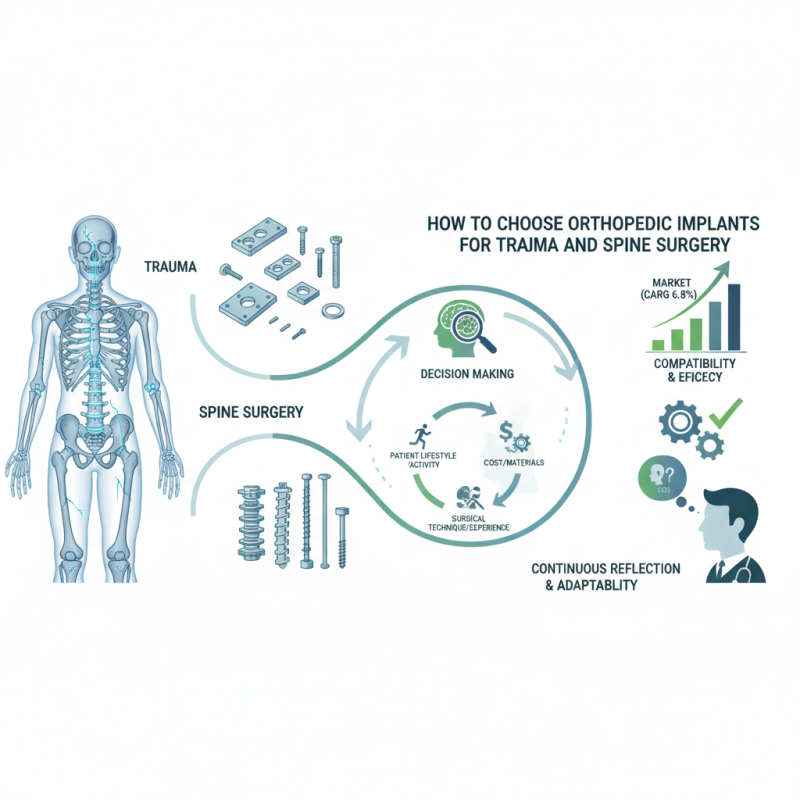
Orthopedic implants play a crucial role in trauma and spine surgery. Understanding the types of implants available can significantly impact patient recovery. Common types include plates, screws, rods, and cages. Each type has its unique design and application. Plates stabilize fractures by holding bone fragments together. Screws provide additional fixation, ensuring that bones remain properly aligned during healing.
Rods are typically used in spinal surgeries. They help to stabilize the spine after deformity correction. Cages, often used in spinal fusion surgeries, provide structural support between vertebrae. The choice of implant depends on various factors, including the specific injury, patient anatomy, and the surgeon's expertise.
Surgeons must also consider potential complications. The wrong implant choice can lead to improper healing or even further injury. Awareness of the biological response to implants is essential. The body may reject foreign materials, causing discomfort or inflammation. Therefore, selecting the right orthopedic implant is a delicate balance of knowledge and experience. It requires continuous assessment and sometimes, reflection on past decisions.
This chart represents the distribution of different types of orthopedic implants used in trauma and spine surgery. Each category illustrates the relative frequency of use in surgical procedures.
Choosing orthopedic implants for trauma and spine surgery involves careful consideration of several key factors. Material selection is crucial. Implants should be biocompatible and durable. Common materials include titanium and stainless steel. The surgeon's experience with these materials can also influence choices.
Another important aspect is implant design. The shape and size must match the patient's anatomy. This individualization helps achieve better stability and promotes healing. Surgeons often review imaging data before making a decision. The use of 3D modeling can enhance this process, but is not always feasible in every case.
Patient factors play a significant role as well. Age, activity level, and overall health are critical. A younger, active patient might need different support than an older individual. Some implants may suit one demographic better than another. Balancing all these elements can be challenging. Each decision needs careful thought and potentially even consultation with peers.
Choosing the right materials for orthopedic implants is crucial for trauma and spine surgery. Durability is key. Implants must withstand constant stress. They need to retain their integrity over time, especially under physical strain. Stainless steel and titanium are common choices for their strength, but each has its advantages. Titanium offers excellent biocompatibility. It integrates well with bone, reducing the risk of rejection.
Biocompatibility is essential as well. The implant must be safe for the body. Materials should minimize inflammatory responses. Some materials may cause reactions in certain patients. This can lead to complications. It's critical to evaluate a patient's allergies and medical history. Some implants may not suit everyone.
Manufacturers often conduct extensive testing to ensure reliability. However, not all products meet high standards. Professionals should stay updated on the latest research. This knowledge can guide informed decisions. Focusing on the patient’s unique needs allows for tailored implant selection. The goal is to enhance recovery while reducing risks.
| Implant Material | Durability | Biocompatibility | Common Applications |
|---|---|---|---|
| Titanium | High strength and corrosion resistance | Excellent biocompatibility | Fracture fixation, spinal implants |
| Stainless Steel | Moderate strength, good fatigue resistance | Good but can cause allergic reactions | Bone plates, screws |
| Polyether Ether Ketone (PEEK) | High tensile strength, lightweight | Excellent biocompatibility | Spine fusion, intervertebral implants |
| Ceramics | High wear resistance, brittle | Good biocompatibility | Joint replacements, bone grafts |
Sizing and fit are critical when selecting orthopedic implants for trauma and spine surgery. An improperly sized implant can lead to complications, including failures and prolonged recovery. Each patient's anatomy is unique. Implants must match their specific requirements. For example, a poorly fitted screw may cause instability or discomfort.
When considering sizing, consult with a seasoned orthopedic surgeon. Their expertise can guide you through the selection process. Imaging techniques, like MRI or CT scans, help create an accurate picture of the anatomy. Use this data to refine your options. Every detail counts, so take the time to evaluate dimensions and alignments.
Tips: Always prioritize communication between the surgical team. Discuss your concerns regarding the sizes and types of implants. Practical feedback can illuminate potential issues. Additionally, consider patient-specific factors, such as age or activity level, that may influence implant choice. Remember, achieving the perfect fit often requires trial and reflection. Don't shy away from adjusting your selection if needed.
After orthopedic surgery, proper post-operative care is essential for recovery. After receiving implants, patients must follow their surgeon's instructions closely. This includes managing pain through prescribed medications and understanding when to seek help for complications. Keeping follow-up appointments is crucial. Surgeons monitor how well the implants are integrating with your body.
Tips for care include maintaining a balanced diet rich in calcium and vitamin D. These nutrients support bone healing. Gentle exercises may be encouraged by your doctor to improve mobility; however, it's vital not to overexert yourself. Listen to your body and communicate any concerns.
Monitoring the implant site for signs of infection is equally important. Redness, swelling, or unusual pain should not be ignored. Regular check-ups can help address potential issues early, but don't be afraid to express your worries. It's okay not to have all the answers during recovery. Adapt your expectations as you learn more about your healing process.
: Material selection, implant design, and patient factors are all essential. Choose durable and biocompatible materials.
A surgeon's familiarity with specific materials can influence the right choice for each patient.
Implants must match the unique shape and size of a patient's anatomy for optimal stability and healing.
Techniques like MRI and CT scans provide detailed anatomical insights, aiding accurate implant selection.
Improper sizing can lead to complications such as instability and prolonged recovery.
Discuss your concerns about implant sizes and types. Communication can reveal potential issues early.
Age, activity level, and overall health determine the type of support an implant may provide.
Balancing various factors requires careful thought and sometimes consultation from peers.
Yes, 3D modeling can enhance the decision-making process, though it's not feasible for every case.
Achieving the perfect fit may take trial and adjustment. Reflection on previous outcomes can improve future choices.
Choosing the right orthopedic implants for trauma and spine surgery is crucial for successful patient outcomes. In understanding how to select orthopedic implants for trauma and spinal surgery, it is essential to begin with an overview of the various types of implants available, including plates, screws, and rods, each serving specific purposes. Key factors to consider include the patient's individual anatomy, the nature of the injury or condition, and the surgeon's experience and preference.
Material considerations play a significant role in ensuring the durability and biocompatibility of the implants, which can greatly affect the healing process and long-term success. Proper sizing and fit are critical to avoid complications and ensure optimal functionality. Additionally, post-surgery considerations, including follow-up care and monitoring for potential issues, are vital for the longevity and effectiveness of the implants. Overall, a comprehensive approach to implant selection will enhance surgical outcomes and patient satisfaction.

XOVEC Orthopedic Implants