When it comes to maxillofacial surgery, choosing the right orthopedic implants is crucial. Dr. John Smith, a renowned maxillofacial surgeon, emphasizes, “The success of a procedure often hinges on implant selection.” Understanding the nuances of implant materials, shapes, and sizes is vital for patient outcomes.
In maxillofacial surgery, implants must align perfectly with the patient's anatomy. Each case presents unique challenges. For instance, an ill-fitted implant can lead to complications. Surgeons must weigh various factors, such as the type of bone and expected load on the implant. Decisions should be informed by both research and clinical experience.
Selecting orthopedic implants for maxillofacial applications is not a straightforward task. It requires careful reflection and sometimes second-guessing choices. Often, surgeons learn from past complications or successes. This ongoing refinement of judgment shapes their expertise. Ultimately, knowing how to choose orthopedic implants for maxillofacial surgery is both an art and a science.
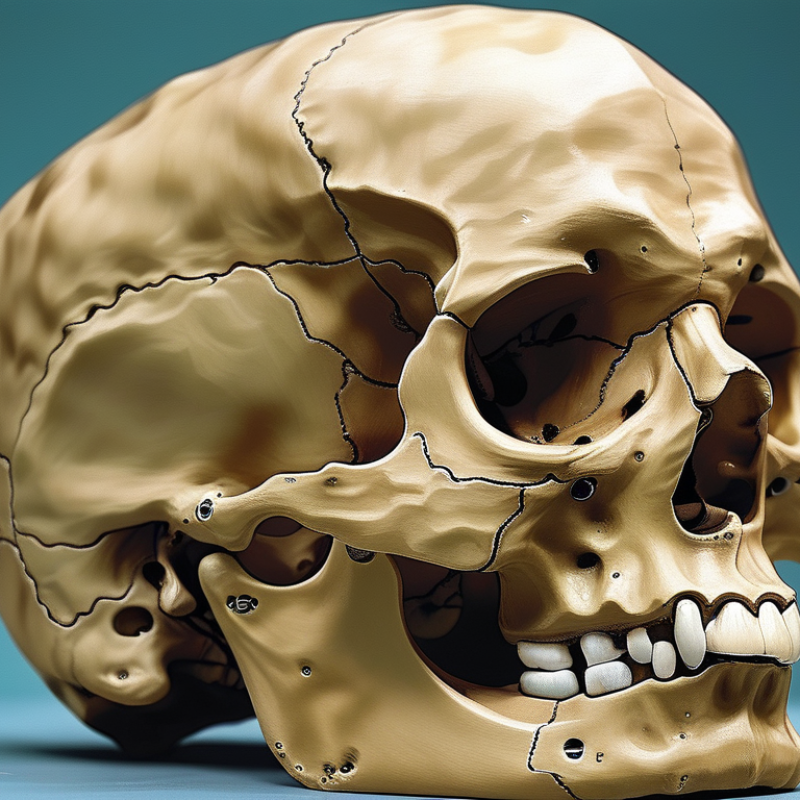
Types of Orthopedic Implants Used in Maxillofacial Surgery
In maxillofacial surgery, choosing the right orthopedic implants is crucial. Various types serve specific purposes. Plates and screws are commonly used for fixing fractures. These are available in different materials, including titanium and absorbable options. Titanium provides strength, while absorbable implants reduce the need for removal later.
Another type is bone grafts, used for enhancing bone structure. These can be autografts, taken from the patient, or allografts, sourced from donors. Both have their pros and cons. The choice often depends on the specific surgical needs and patient condition.
Surgeons must also consider resorbable pins and wires. They are effective for stabilizing soft tissue without requiring removal surgery. However, their strength may not match permanent implants. Thus, careful evaluation of the clinical scenario is essential. Each implant type presents unique challenges that warrant thorough discussion among the surgical team. Ultimately, continuous learning and adaptation in implant technology are vital for successful outcomes in maxillofacial procedures.
Factors Influencing the Selection of Implants
When selecting orthopedic implants for maxillofacial surgery, various factors play a critical role. The choice of materials is significant. Implants must be biocompatible to prevent adverse reactions. Metal alloys, ceramics, and polymers each have unique properties. Their strength and flexibility can impact surgical outcomes. Surgeons must assess the patient's specific needs during the selection process.
Another important consideration is the patient's age and health. Younger patients may require more durable implants, while older patients might benefit from lighter options. Bone density also influences implant choice. Implants that integrate well with the bone are essential for long-term success.
Tips for choosing the right implant include consulting with specialists and reviewing case studies. Seek advice from experienced professionals. Collaborating with a multidisciplinary team can enhance the decision-making process. Understanding the latest innovations in materials and designs is crucial. This knowledge helps in making informed choices that align with patient needs. Always reflect on previous surgeries to improve future selections.
How to choose orthopedic implants for maxillofacial surgery? - Factors Influencing the Selection of Implants
| Factor |
Description |
Importance |
| Material |
Biocompatibility, strength, and corrosion resistance are key qualities. |
High |
| Design |
Implants must fit anatomical structures and facilitate healing. |
Medium |
| Size and Dimension |
Correct sizing is crucial to ensure proper integration and functionality. |
High |
| Load Bearing Capacity |
Implants should withstand the physiological loads of maxillofacial structures. |
High |
| Surgeon's Experience |
Familiarity with specific implant types can influence outcomes. |
Medium |
| Regulatory Standards |
Compliance with safety and effectiveness regulations is essential. |
High |
| Cost |
Budget constraints may limit options while ensuring quality. |
Medium |
Material Considerations for Implant Longevity
When selecting orthopedic implants for maxillofacial surgery, material considerations play a crucial role in ensuring implant longevity. Titanium is a common choice due to its outstanding biocompatibility and strength. Research indicates that titanium's fatigue limit allows it to withstand significant stress during everyday activities. According to a study in the Journal of Oral and Maxillofacial Surgery, titanium implants have a reported survival rate higher than 90% over a decade.
Alternatives like polymers and ceramics are also employed in specific cases. While polymers offer lightweight options, they may lack the same level of durability. Ceramics provide excellent aesthetic results but can be brittle. It's essential to evaluate these materials based on patient-specific needs. A 2021 report highlighted that improper material choice can lead to implant failure rates of up to 25% in complex cases.
Surface treatments become vital as they enhance osseointegration. Techniques such as grit blasting and acid etching improve bone-implant contact. However, the reliability of these treatments can vary. Studies reveal that not all surface modifications yield consistent outcomes. Surgical teams should remain critical of emerging technologies and their long-term effectiveness in diverse patient populations.
Material Considerations for Implant Longevity in Maxillofacial Surgery
Techniques for Implant Placement in Maxillofacial Procedures
Choosing the right technique for implant placement in maxillofacial surgery is crucial. Proper alignment and positioning can significantly impact healing outcomes. Studies indicate that misalignment can lead to complications in up to 20% of cases. Surgeons must assess the individual patient's anatomical structure carefully.
The use of guided surgery techniques is gaining traction. These methods enhance precision, improving the success rate of implant placement. In recent reports, it was noted that patients who underwent guided procedures experienced a 15% reduction in recovery time. Despite the benefits, these techniques require significant training and experience. Surgeons should be mindful of their own skill levels when opting for advanced methods.
Complications can arise even with the best techniques. A recent survey highlighted that about 10% of surgeons reported issues related to implant stability. This reflection points to the importance of ongoing education and practice in the field. Continuous improvement in surgical methods is essential for optimal patient outcomes.
Post-Operative Care and Complications Related to Implants
Post-operative care for orthopedic implants in maxillofacial surgery is crucial for healing. Patients must be aware of potential complications, which can vary widely. Infections, for example, can occur at the surgical site. Proper hygiene and regular follow-ups are essential to minimize this risk.
Swelling and discomfort are common after surgery. Pain management is key to patient comfort. Ice packs can be beneficial in the first few days. Patients should also keep their heads elevated to reduce swelling. Comprehensive guidance from healthcare providers helps in navigating these challenges.
Another concern is implant rejection. While rare, it can happen. Monitoring for any signs of unusual reactions is vital. Patients need to communicate any unusual symptoms to their surgeons promptly. This proactive approach helps in addressing complications before they worsen. Identifying the need for adjustments or even removal of implants is part of patient care. Empowering patients with knowledge about their recovery process is important for achieving better outcomes.
Conclusion
Choosing orthopedic implants for maxillofacial surgery requires a thorough understanding of various factors. The types of implants available are diverse, including plates, screws, and meshes, each serving different purposes based on the specific needs of the surgical procedure. Key factors influencing implant selection include the patient's anatomy, the complexity of the defect being addressed, and the desired outcome of the surgery.
Material considerations play a critical role in ensuring the longevity of the implants, as biocompatibility and resistance to corrosion are paramount. Furthermore, successful implant placement techniques are essential for minimizing complications and enhancing recovery. Post-operative care must be given attention to monitor for potential complications related to the implants. Ultimately, knowing how to choose orthopedic implants for maxillofacial surgery is vital for achieving optimal patient results and enhancing the overall surgical experience.

 XOVEC Orthopedic Implants