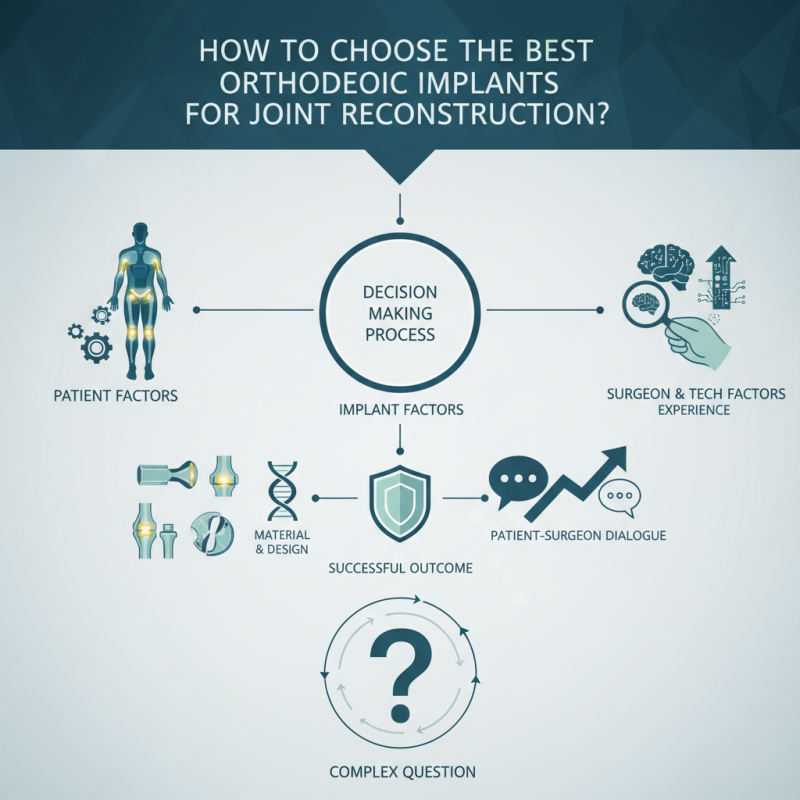
Choosing the correct orthopedic implants for joint reconstruction is crucial for successful outcomes. Many factors can influence this decision. Surgeons must consider patient-specific needs, implant design, and material. Each patient's anatomy and age can affect the best choice. Furthermore, understanding different types of implants helps make informed decisions.
Yet, the process can be overwhelming. Surgeons often face pressure from multiple options. They must balance innovation, effectiveness, and long-term viability. Some implants may have better track records than others. However, emerging technologies may offer new solutions. It requires careful evaluation and critical thinking.
Moreover, discussions with patients are vital. Clear communication about risks and benefits can lead to better choices. Trust is essential in the patient-surgeon relationship. Ultimately, "How to choose orthopedic implants for joint reconstruction" remains a complex question. Each case requires careful reflection and personalized consideration.
Understanding Joint Reconstruction and Its Importance in Orthopedic Surgery
Joint reconstruction plays a crucial role in orthopedic surgery. It involves repairing or replacing damaged joints to restore mobility and function. Conditions like arthritis, injury, or deformity often necessitate these procedures. Understanding the intricacies of joint reconstruction is essential for both patients and healthcare providers.
The process requires not just surgical skill, but also a deep understanding of human anatomy. Surgeons must evaluate various factors, including age, activity level, and overall health. Each patient's case is unique, making the decision-making process complex. Reliable assessments ensure that the most suitable methods are chosen.
Post-surgery recovery can be challenging. Patients may face pain and limited movement initially. Rehabilitation is key to regaining strength and mobility. Continuous assessment during this phase is vital. It's important to reflect on outcomes and adapt strategies as needed. This helps improve future surgical experiences and patient satisfaction.
Factors to Consider When Selecting Orthopedic Implants for Joint Surgery
Selecting the right orthopedic implants for joint reconstruction is a meticulous process. Several critical factors must be evaluated carefully. Material composition is foundational. Biocompatibility is essential. Metals like titanium are commonly preferred due to their strength and resistance to corrosion. A study published in the Journal of Orthopaedic Research identified that implants made of titanium showed a lower incidence of adverse reactions compared to other materials.
The design features of the implants also play a significant role. A well-designed implant can replicate natural joint movement more effectively. Research suggests that anatomical designs improve patient outcomes. They can enhance load distribution and reduce wear over time. However, many designs come with trade-offs. Increased complexity can lead to surgical challenges.
Finally, the surgeon's experience and preferences are crucial, too. A recent survey showed that nearly 70% of orthopedic surgeons reported comfort with specific implant types directly impacting surgical success. Collaboration between the surgical team and device manufacturers allows for tailored approaches based on the patient's unique needs. The choice of implants should reflect a balance of evidence-based data and personal expert insights.
How to Choose the Best Orthopedic Implants for Joint Reconstruction?
| Factor |
Description |
Importance Level |
Common Materials |
| Biomechanical Properties |
Assessing strength and flexibility of the implant |
High |
Titanium, Cobalt-chromium |
| Material Biocompatibility |
Compatibility with body tissues to minimize rejection |
High |
Ceramics, Polyethylene |
| Durability |
Ability to withstand stress and wear over time |
Critical |
Titanium alloys, Carbon fibers |
| Cost-effectiveness |
Balance between cost and quality |
Medium |
N/A |
| Surgical Technique |
Consideration of the surgical approach and implant design |
High |
N/A |
| Post-operative Outcomes |
Long-term success rates and potential complications |
Critical |
N/A |
Types of Orthopedic Implants Commonly Used in Joint Reconstruction
In joint reconstruction, selecting the right orthopedic implants is paramount. Various types of implants are used, each designed for specific needs. Common options include total knee and hip implants. These are created from materials like titanium and polyethylene, known for their durability and biocompatibility. A study indicates that titanium implants can reduce the risk of infection by up to 30%.
Aside from total joints, there are also fracture fixation devices. These include plates, screws, and pins. They are essential for stabilizing broken bones during recovery. The choice of device depends on factors like patient age, activity level, and the type of fracture. Research shows effective fixation can increase healing rates by 40%. However, improper selection of these devices can delay recovery and lead to complications.
Patient safety remains a concern. Despite advancements, complications such as implant loosening or infection still occur. Reports suggest that up to 10% of patients may experience these issues. The need for regular monitoring and follow-ups persists, emphasizing that even with great technology, the journey to recovery is not always smooth. Understanding the pros and cons of each implant type is crucial for optimal outcomes.
Orthopedic Implants Used in Joint Reconstruction
Evaluating Material Properties and Compatibility of Implants
When choosing orthopedic implants for joint reconstruction, understanding material properties and compatibility is crucial. A recent study highlighted that more than 80% of implant failures can be linked to material-related issues. Common materials such as titanium and polyethylene offer different benefits. Titanium is known for its strength, while polyethylene is often used for its low friction properties. However, both materials can lead to complications, such as wear debris and stress shielding.
Compatibility is another vital factor. Implants must not provoke adverse reactions in the body. Research shows that up to 20% of patients experience complications due to material biocompatibility issues. Osteointegration depends heavily on the surface texture and chemical properties of the implant. For instance, roughened surfaces can promote better bone integration, but they may also increase the risk of infection.
Testing and evaluating these materials is complex. The FDA mandates rigorous testing to ensure safety and efficacy. Yet, some reports indicate that not all implants undergo comprehensive evaluations before hitting the market. As practitioners aim for optimal outcomes, continuous reassessment of material properties is essential. Understanding the nuances of implant materials can lead to better decisions and improved patient outcomes, but there is still much to learn.
Consulting with Medical Professionals for Personalized Implant Choices
Choosing the right orthopedic implants for joint reconstruction is crucial. This often requires a thorough discussion with medical professionals. Involving experts in the decision-making process ensures that the chosen implant meets your specific needs. Each patient’s condition is unique, and a one-size-fits-all approach rarely applies in such a critical area of healthcare.
Consulting with orthopedic surgeons can provide insights into the types of implants available. They can explain the advantages and drawbacks of each option. Many factors influence this choice, including your age, activity level, and overall health. Each detail matters. It’s essential to express any concerns or preferences you have.
Tips: Consider seeking a second opinion. Sometimes a different perspective can help clarify doubts. Always ask about the long-term outcomes of the recommended implants. Understanding the potential risks can lead to informed choices. Provide honest feedback during consultations to help guide the discussion. Balancing expert knowledge with personal experience can yield the best outcomes.
Conclusion
When considering how to choose orthopedic implants for joint reconstruction, it is essential to understand the significance of joint reconstruction in orthopedic surgery. This procedure aims to restore function and alleviate pain in damaged joints, making the selection of appropriate implants crucial for successful outcomes. Factors influencing implant choice include patient-specific needs, the type of joint being reconstructed, and the unique properties of the materials used in the implants.
Different types of orthopedic implants are commonly utilized, and each has its material properties that can affect compatibility and longevity. Evaluating these properties is important to ensure the selected implant will integrate well with the body and meet the patient's individual requirements. Consulting with medical professionals is a vital step in making informed decisions about the most suitable implants, as their expertise can guide personalized choices that enhance recovery and improve overall joint function.

 XOVEC Orthopedic Implants