The orthopedic implant industry is crucial for patient recovery and mobility. China hosts a growing number of reputable brands in this field. However, distinguishing quality implants from inferior options is challenging.
How to evaluate the market reputation of orthopedic implants brands is an essential question for healthcare professionals and patients alike. Market reputation is influenced by product quality, safety, and patient outcomes. Additionally, scrutiny around manufacturing practices, customer service, and regulatory compliance shapes public perception.
Relying on certifications and endorsements is not enough. User reviews and clinical studies provide valuable insights, but they may vary in reliability. As new players emerge, maintaining an informed perspective about established and emerging brands is vital. A balanced approach facilitates informed decisions, ultimately leading to better health outcomes.
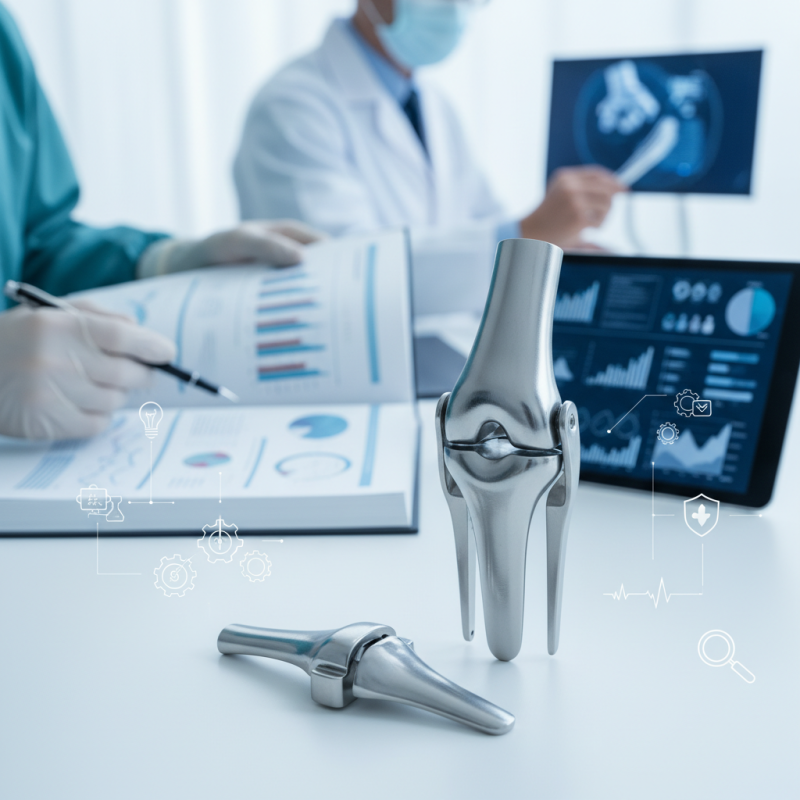
The orthopedic implant market in China is rapidly evolving. According to a recent research report, the market size reached approximately $5 billion in 2022. This growth is driven by an aging population and the rise in orthopedic surgeries. The demand for various implants is increasing, highlighting the need for reliable products.
Evaluating a brand's market reputation is crucial. Parameters like clinical outcomes, customer feedback, and research endorsements provide insight into quality and reliability. Professional studies suggest that products with high satisfaction ratings often correlate with better clinical results. However, many smaller brands struggle to gain recognition among larger market players.
Transparency is another essential factor. Reports indicate that nearly 30% of patients seek detailed information before choosing an implant. This reflects a gap in awareness. Manufacturers must address this by ensuring easy access to unbiased data. Potential customers should engage with healthcare professionals and consider peer reviews. This approach fosters informed decisions in a complex market landscape.
: Product quality, innovation, and customer support are key factors. Brands with cutting-edge technology gain trust.
Good post-sale assistance leads to positive feedback and stronger healthcare relationships. Not all brands excel here.
Check for biocompatibility, durability, and regulatory approvals. Look for certifications from third-party testing authorities.
Biocompatibility prevents adverse reactions. Titanium and certain polymers are often preferred for their strength and reliability.
Read diverse opinions and be cautious. Some reviews may not be genuine. Context is crucial in understanding feedback.
About 15% of orthopedic implants face safety recalls due to manufacturing defects. This highlights the need for careful evaluation.
Yes, a previously esteemed brand can experience declines. Always verify the latest product reliability before trusting a reputation.
Social media serves as a discussion platform. Mixed feedback can shape perceptions, so consider a variety of reviews.
Studies can demonstrate efficacy and safety. They are essential for understanding the reliability of the implants.
Yes, not all feedback is valid. External factors can influence reviews, so approach them with critical thinking.
The article titled "China Top 10 Orthopedic Implant Brands How to Evaluate Their Market Reputation?" explores the intricacies of the orthopedic implant market in China. It delves into key factors that influence the market reputation of orthopedic brands, emphasizing the importance of quality, safety, and consumer feedback. Understanding how to evaluate the market reputation of orthopedic implants brands involves assessing these criteria, along with their overall performance and reliability in clinical settings.
Additionally, the article highlights the role of consumer feedback in shaping brand reputation, illustrating how patient experiences and outcomes can significantly impact perceptions of quality. A comparative analysis of leading brands provides insights into how they measure up against established criteria, offering a comprehensive framework for stakeholders looking to make informed decisions in the orthopedic implant sector.

 XOVEC Orthopedic Implants