Orthopedic implant procurement in 2026 demands more than comparing prices, catalogs, and delivery dates. Hospitals must connect clinical requirements with supplier qualification, product traceability, regulatory evidence, and long-term patient safety. A titanium hip stem may look identical across vendors, yet its coating, packaging, sterilization records, and manufacturing controls can differ significantly. Small gaps matter.
What are the common risks in orthopedic implants procurement? The answer usually includes inconsistent quality, incomplete documentation, counterfeit or unauthorized products, supply interruptions, pricing volatility, and poor post-market support. Procurement teams should review ISO 13485 certification, device registration, unique device identification, batch records, complaint histories, and recall procedures. They should also confirm that implant dimensions match surgical systems and surgeon preferences. Compatibility cannot be assumed.
Real-world checks are practical. Inspect sealed packages for damaged corners, compare lot numbers with delivery documents, and verify expiration dates before inventory entry. Ask suppliers how they manage shortages and urgent replacements. Request evidence, not promises. Still, no checklist catches every weakness. Even experienced teams can overlook a subcontractor, a delayed certificate, or an unclear change notification. That uncomfortable possibility deserves attention.
A reliable risk guide should therefore support shared review among orthopedic surgeons, clinical engineers, quality specialists, finance teams, and authorized distributors. Transparent records create accountability. Independent verification strengthens confidence. Cost remains important, but the cheapest quotation may conceal training expenses, revision risks, or unreliable service. Sound procurement decisions protect budgets while keeping patient outcomes at the center.
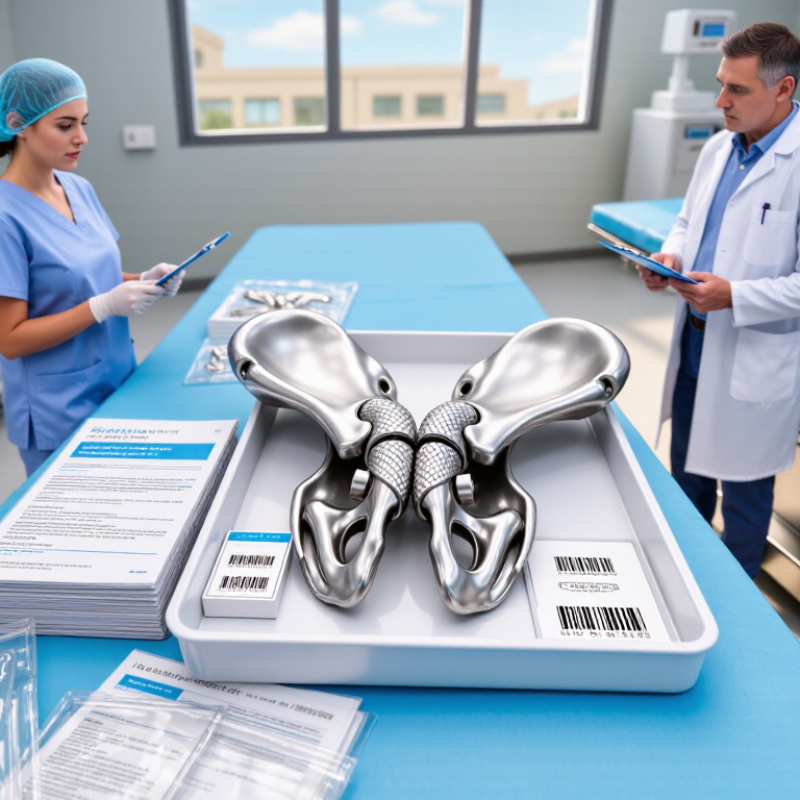
Orthopedic Implant Procurement Risk: Scope and Key Definitions
Orthopedic implant procurement risk covers more than purchase price. It includes patient safety, product quality, supplier reliability, documentation, and lifecycle cost. A useful definition is the possibility that a procurement decision may harm clinical outcomes, disrupt surgery, or create avoidable financial exposure. In my procurement reviews, risk starts before a contract is signed. It appears during product evaluation, demand planning, storage, delivery, and post-use monitoring.
Key definitions
Key definitions help teams assess risk consistently. Clinical risk concerns implant suitability, surgical compatibility, and evidence quality. Technical risk includes specifications, materials, sterilization records, and instrument requirements. Supply risk involves lead times, stock availability, substitution rules, and emergency delivery capacity. Compliance risk covers required approvals, traceability, quality records, and local purchasing controls. Financial risk includes unit price, training, inventory waste, and revision-related costs. These categories overlap. A cheaper implant can still create higher total cost.
Tips:
Build a risk register with procurement, surgeons, nurses, finance, and quality staff. Record the evidence behind every rating. Check lot tracking during a mock recall exercise. Ask suppliers for realistic lead-time data, not optimistic estimates. No register is perfect. Teams may overlook workflow problems because the spreadsheet looks complete. Review assumptions after unusual delays, damaged packaging, or unexpected inventory use. Small failures often reveal larger weaknesses.
Regulatory and Clinical Risks in Implant Selection
Regulatory and clinical risks begin before an implant reaches the operating room. Procurement teams should verify market authorization, intended use, unique device identification, sterilization records, and supplier quality controls. The FDA’s MAUDE database shows why post-market surveillance matters: adverse-event reports can reveal failures, but they cannot prove incidence or causation. Treat them as signals, not final conclusions. Recall history, complaint trends, and corrective actions deserve documented review.
Clinical evidence must match the intended patient, anatomy, fixation method, and surgical workflow. The UK National Joint Registry’s 21st Annual Report records more than 4.5 million hip, knee, and shoulder procedures, creating a valuable benchmark for revision analysis. Yet registry data may contain missing variables and inconsistent follow-up. That limitation matters. A low revision rate does not automatically prove superior performance for every patient group. Procurement committees should compare revision outcomes, complication patterns, surgeon feedback, and evidence quality across comparable indications. Ask uncomfortable questions. Is the clinical study independent? Were failures reported consistently? Can the hospital trace each lot within minutes? A spreadsheet may look complete while hiding weak evidence. Experienced teams should reassess selected implants periodically, especially after regulatory notices, design changes, or unexpected infection and loosening patterns.
Supplier Qualification and Manufacturing Quality Assessment
2026 Best Orthopedic Implant Procurement Risk Guide
Supplier qualification should begin with evidence, not polished presentations. The ISO Survey 2022 recorded 26,849 ISO 13485 certificates worldwide. That scale creates access, but not automatic reliability. Buyers should verify certificate scope, site ownership, audit findings, and subcontracted processes.
For titanium, cobalt-chrome, or polymer implants, request complete material certificates and lot-level traceability. Review machining validation, surface-treatment controls, cleaning records, and packaging studies. Manufacturing engineers should examine process capability data, not only final inspection results. FDA’s FY2023 Medical Device Recalls Report recorded more than 1,000 device recalls. Supplier controls clearly deserve direct scrutiny. Require documented change notification, complaint trending, corrective-action effectiveness, and retention-sample access. Ask to observe production.
A clean audit file can still hide risk. It happens. Remote assessments may miss poor line discipline, aging equipment, or weak operator training. I would score suppliers using evidence from audits, nonconformities, delivery history, and technical responses. Independent laboratory testing can confirm dimensions, fatigue performance, cleanliness, and biological safety claims. ASTM and ISO test methods should be named in the protocol. One uncomfortable weakness remains: procurement teams often reward low price before process maturity. That choice can increase inspection costs and delay patient access. Supplier approval should therefore include quality, engineering, regulatory, and clinical risk review. Reassess critical suppliers after major equipment changes, repeated deviations, or unexplained complaint patterns.
Cost, Contract, and Supply Chain Risk Controls
2026 Best Orthopedic Implant Procurement Risk Guide
Cost, Contract, and Supply Chain Risk Controls
Orthopedic implant procurement fails when teams measure price but ignore total exposure. The invoice is only the visible cost. Real exposure includes freight, inspection, storage, currency changes, and emergency delivery. Procurement teams should model three demand scenarios: planned cases, seasonal peaks, and unexpected shortages. A simple spreadsheet helps, but it can still hide weak assumptions. Review forecast accuracy every month.
Contracts need clear specifications, delivery windows, acceptance criteria, and payment milestones. They should also address lot traceability, packaging damage, product changes, and delayed shipments. Define corrective actions before a dispute occurs. For example, a late shipment may trigger partial payment, replacement stock, or documented escalation. Legal and quality teams should review every clause. Procurement staff should not rely on informal emails.
Supply chain controls require more than a supplier questionnaire. Verify manufacturing capacity, quality records, storage conditions, and business continuity plans. Keep approved alternatives where clinically appropriate and properly evaluated. Set minimum safety stock for high-use implant sizes, but avoid excessive inventory and expiry losses. Use batch-level records from receiving to operating-room release. A quarterly tabletop exercise can expose missing contacts and slow approvals. It may feel excessive. Shortages prove otherwise. Risk reviews should remain practical, evidence-based, and open to uncomfortable findings.
2026 Best Orthopedic Implant Procurement Risk Guide — Cost, Contract, and Supply Chain Risk Controls
Regulatory response windows that should be reflected in orthopedic implant contracts, supplier quality agreements, recall procedures, and supply-chain escalation plans.
Use the shortest applicable reporting window as the contractual escalation trigger. For reportable medical-device corrections or removals in the United States, FDA rules generally require notification within 10 working days. Under the EU MDR, serious-incident reporting deadlines are 2 days for serious public-health threats, 10 days for death or unanticipated serious deterioration, and 15 days for other serious incidents. Procurement teams should link these deadlines to inventory visibility, substitute-device approval, price-change controls, and documented supplier communication.
Sources: U.S. FDA, 21 CFR Part 806; Regulation (EU) 2017/745, Article 87.
Procurement Monitoring, Documentation, and Corrective Actions
2026 Best Orthopedic Implant Procurement Risk Guide
Procurement monitoring should begin before an orthopedic implant reaches the hospital.
Define approved specifications, critical dimensions, material requirements, and packaging conditions in the purchase file. Track supplier capacity, delivery changes, complaint trends, and repeated inspection failures each month. Small gaps matter. A practical review compares purchase orders with receiving records, inspection results, and inventory movements. This creates traceability from supplier approval to the operating room.
Documentation must be clear enough for another professional to verify without asking the original buyer.
Record supplier evaluations, certificates, lot numbers, expiration dates, storage temperatures, and release decisions. Keep evidence. Digital records should show revision history, user access, and approval dates. A missing signature may seem minor, but it can weaken an otherwise careful investigation. Photographs of damaged cartons and scanned labels add useful physical detail.
Corrective actions should address causes, not only visible errors.
If a shipment arrives with mismatched labels, quarantine it, notify quality personnel, and document the affected lots. Investigators can then review training, labeling controls, transport records, and supplier communication. Assign an owner and deadline for every action. Verify effectiveness after completion, using a later shipment or targeted audit. No dashboard is perfect. Data may be delayed, incomplete, or entered inconsistently. Teams should question unusual trends and record those limitations openly. That honesty supports reliable decisions and reveals where procurement controls still need improvement.
FAQS
It includes patient safety, product quality, supplier reliability, documentation, and lifecycle cost. The purchase price is only one part. A cheaper implant may create higher inspection, storage, or revision costs.
Risk begins before contract signing. It can appear during product evaluation, demand planning, storage, delivery, and post-use monitoring. Small failures often expose larger weaknesses.
Start with evidence, not polished presentations. Verify certificate scope, manufacturing sites, audit findings, ownership, and subcontracted processes. Ask for realistic lead-time data. Do not rely on promises alone.
Request material certificates and lot-level traceability for each implant type. Review machining validation, surface treatment, cleaning records, and packaging studies. Examine process capability data, not only final inspection results.
Independent laboratory testing can check dimensions, fatigue performance, cleanliness, and biological safety claims. Name the test methods in the protocol. Ask to observe production when practical. Remote reviews can miss aging equipment or weak operator training.
Contracts should define specifications, delivery windows, acceptance criteria, and payment milestones. They should also address traceability, packaging damage, product changes, and delayed shipments. Set corrective actions before disputes occur. Informal emails are not enough.
Model planned cases, seasonal peaks, and unexpected shortages. Keep clinically appropriate alternatives that have been properly evaluated. Set safety stock for high-use sizes, while limiting expiry losses. Shortages reveal weak planning.
Use a risk register with procurement, clinical, finance, nursing, and quality staff. Record evidence behind every rating. Run mock recalls and quarterly supply exercises. Review assumptions after delays, damaged packaging, or unusual inventory use. No register is perfect.
Conclusion
This guide explains how to identify and control the major risks involved in orthopedic implant procurement. It begins by defining procurement scope, product categories, intended clinical use, and key risk terms. What are the common risks in orthopedic implants procurement? They include regulatory noncompliance, inadequate clinical evidence, inconsistent product specifications, supplier quality failures, manufacturing defects, delivery delays, unexpected costs, and insufficient documentation. Careful implant selection should therefore consider safety, performance, traceability, sterilization controls, and compatibility with clinical requirements.
The guide also presents practical methods for qualifying suppliers and assessing manufacturing quality, including audits, quality records, inspection results, capacity reviews, and change-control procedures. Cost and contract controls should address pricing transparency, warranty responsibilities, inventory planning, lead times, and contingency sourcing. Finally, procurement teams should maintain accurate records, monitor supplier and product performance, investigate deviations, and implement documented corrective and preventive actions. A structured, risk-based process can improve patient safety, operational continuity, accountability, and long-term procurement value.

 XOVEC Orthopedic Implants